
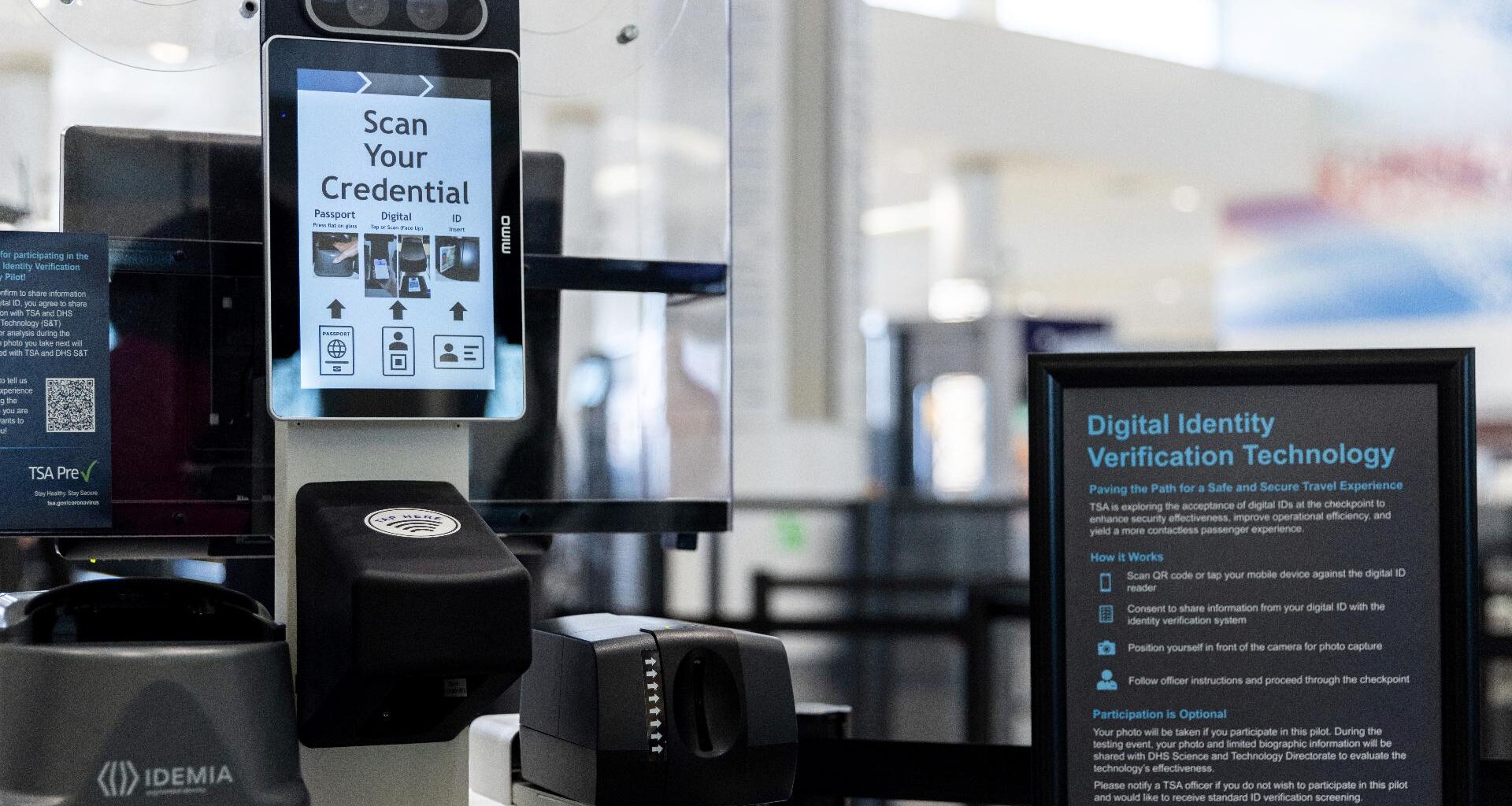
Customs officers still make the final decision, but some international travelers may no longer need a manual passport check. Here’s what you need to know.
TAMPA, Fla. — The cameras at airport security checkpoints and customs inspection areas aren’t there by accident. U.S. Customs and Border Protection is expanding its use of facial recognition technology to speed up international arrivals, and Tampa International Airport has already begun using similar tools.
In February, TPA launched Enhanced Passenger Processing (EPP) for U.S. passport holders arriving from international destinations. According to the airport, the program has significantly reduced screening times.

This story continues below.
More in Travel
Waymo launches first robotaxi rides for the public in Tampa
Waymo officially starts its rides in Tampa
EPP uses facial biometrics to verify travelers’ identities and complete portions of the customs process before they meet with an officer. CBP describes the system as a faster, largely touchless way to process arrivals.
But facial recognition doesn’t replace customs officers.
“The technology is not a ‘fully contactless’ replacement for the inspection process; rather, it is a tool that supports the CBP officer’s decision-making authority,” a CBP spokesperson said.
CBP says officers remain responsible for verifying identities, determining admissibility and addressing any law enforcement concerns. Travelers who choose not to participate in EPP can request standard processing instead.
The technology is part of CBP’s broader airport modernization effort, which uses biometric tools to reduce administrative tasks and allow officers to focus on inspections and security concerns.
If the system is unavailable or cannot verify a traveler’s identity, officers revert to traditional inspection procedures, including manually reviewing travel documents.
The rollout varies by airport based on factors such as passenger volume, facility configuration and operational needs, CBP says.
TPA says the program is not expected to affect the airport’s regular TSA security screening process.
Meanwhile, facial recognition technology is expanding elsewhere at the airport. In October, TPA will launch its partnership with CLEAR, which uses biometrics to help travelers move through TSA checkpoints more quickly.
CLEAR allows members to verify their identity using facial recognition or fingerprint technology instead of presenting a physical ID to a TSA officer. Similar to TSA PreCheck, travelers must pay $219 per year to use the CLEAR service – although the two programs are separate.
The agreement will run from Oct. 1 through Dec. 31, 2031, with the option to extend it through Dec. 31, 2033.
RELATED: CLEAR biometric screening coming to Tampa International Airport in October