
South Florida’s connection to 9/11 hijackers and anthrax attacks revisited

As America remembers the Sept. 11 terrorist attacks, South Florida’s ties to the events and their aftermath remain a significant part of the story. Investigators revealed that 12 of the 19 hijackers lived and trained in the region, with connections to Palm Beach County and the Treasure Coast.
In 2000, a year before the attacks, the hijackers arrived in South Florida, where they rented apartments, visited businesses, and trained at local flight schools. Willie Lee, a crop-duster pilot in Belle Glade, recalled several visits from a group of Middle Eastern men interested in agricultural aircraft.
“They were pretty good at blending in,” Lee said.
Lee said the men asked questions about the crop duster’s speed, range, and capacity. At the time, he believed they were student pilots. Only after Sept. 11 did he realize one of the visitors was Mohammed Atta, the alleged ringleader of the attacks.
“About their second or third visit, I wish I would have picked up on it and called the FBI right then. But I never dreamed anything like that could have happened, or that they were up to anything like that,” Lee said.
Delray Beach was another location tied to Atta’s movements. Pharmacist Greg Chatterton recalled seeing Atta and his nephew inside his pharmacy.
“They were standing, the two of them, both Atta and his nephew, in this section here,” Chatterton said.
Chatterton said Atta came in looking for an ointment to treat an unusual skin condition.
“From here down, his hands were completely red, beet red,” Chatterton said.
The crop-duster inquiries and other suspicious activities led investigators to explore whether the terrorists had considered additional plots, including a possible biological attack. Authorities also learned that two hijackers took flight lessons in Vero Beach, and Atta rented a single-engine airplane from a flight training school in Lantana to hone his flying skills.
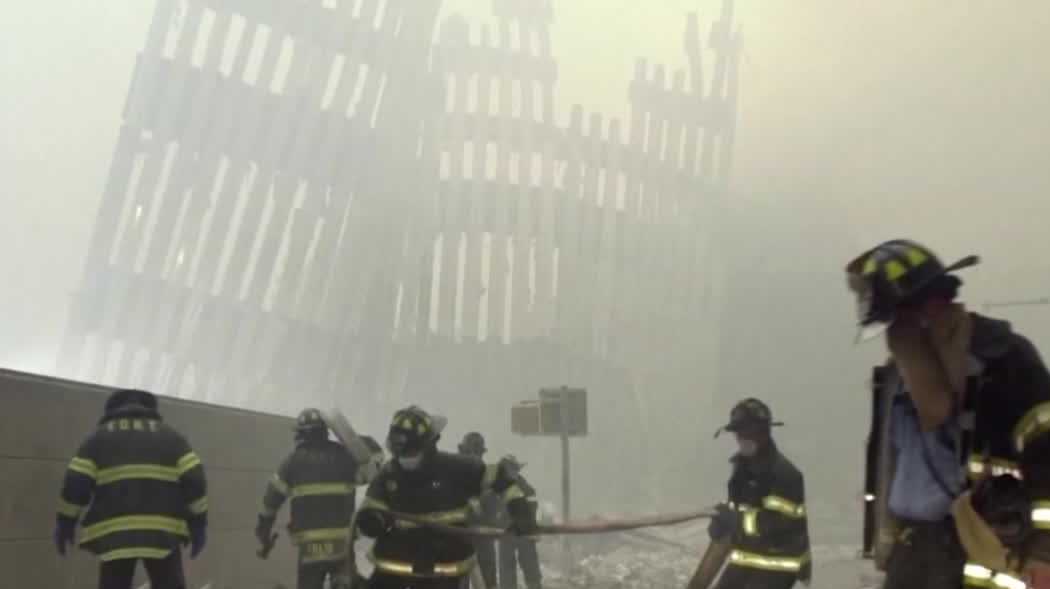
Weeks later, the 19 hijackers boarded four commercial airliners. Atta took control of American Airlines Flight 11 and crashed it into the north tower of the World Trade Center. Other hijackers piloted United Airlines Flight 175 into the south tower, American Airlines Flight 77 into the Pentagon, and United Airlines Flight 93, which crashed in Pennsylvania after passengers resisted.
A quarter-century later, the memories remain painful, and the local connections unsettling.
South Florida’s ties to national tragedy extended beyond 9/11. Just weeks after the attacks, Boca Raton became the site of the first anthrax attack. Letters containing lethal amounts of anthrax powder were sent to major media outlets and Capitol Hill.
Robert Stevens, a photo editor for The Sun, was the first victim of anthrax after inhaling spores from a letter delivered to the American Media Inc. building in Boca Raton.
“The FBI never arrested anyone for the anthrax attacks, but the main suspect, a scientist, died by suicide before he could be indicted,” said Dr. Larry Bush, an infectious disease specialist.
The events of 2001 led to major changes across the country, including increased scrutiny of flight schools and student visa programs, as well as strengthened security measures at airports and within the aviation industry.
Stay up to date: The latest headlines and weather from WPBF 25
Get the latest news updates with the WPBF 25 News app. You can download it here.
Follow us on social: Facebook | X | Instagram | YouTube | TikTok