
When people think of Broward, they think of a thriving economy, a beautiful region of growing businesses and vibrant neighborhoods with caring and collaborative residents. On paper, a median household income of $81,488 suggests many families are doing well.
But a new United Way ALICE report reveals a reality that should concern every Broward resident, business leader and elected official: Nearly one in two households (49%) cannot afford the basic cost of living in the community where they live and work.
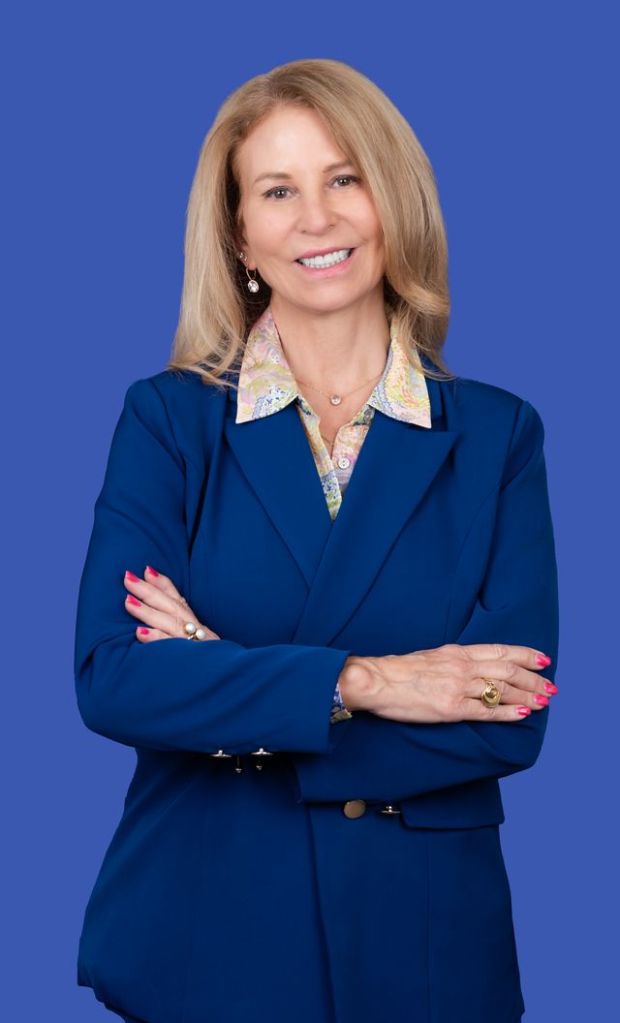 Kathleen Cannon is president and CEO of United Way Broward. (courtesy, Kathleen Cannon)
We call these households ALICE, which stands for Asset Limited, Income Constrained, Employed.
These aren’t people who are unwilling to work. These are hard-working people that absolutely run our economy. No community can do without these workers. They show up every day to keep our communities running yet still struggle to afford the basics.
They are teachers’ aides, home healthcare givers, delivery workers, construction workers, hospitality employees, customer service reps and even first responders. They earn too much money to qualify for many forms of public assistance, yet not enough to cover housing, childcare, groceries, healthcare and other essentials.
For decades, our nation has relied on the federal poverty level to define hardship, but a measure created in 1964 no longer reflects today’s cost of living. It doesn’t account for regional housing costs, childcare, rising grocery costs or the real expenses families face each month.
The ALICE report shows us what it costs to survive in our community. In Broward, a single adult needed more than $45,000 a year in 2024 just to afford the basics. A family with two young children required more than $108,000 annually simply to meet essential needs.
That budget does not include savings or any extras, and doesn’t even include room for unexpected emergencies and a survival budget.
These pressures are felt across every corner of Broward. They fall especially hard on young adults just starting out, single parents and families already navigating systemic barriers to economic mobility. When nearly half of our households are struggling to make ends meet, this is no longer an individual challenge. It is a community challenge.
The good news is, solutions exist. We see them work every day. Each year, United Way Broward brings together nonprofits, businesses, volunteers, philanthropists and government leaders to strengthen our community through more than 130 annual programs and strategic partnerships.
We help families access food, stable housing, financial coaching, quality education, behavioral health services and emergency assistance.
But no single organization can solve this challenge alone. Creating lasting change requires all of us.
It means businesses investing in their workforce and community leaders advancing policies that expand affordable housing, boost education and increase access to quality childcare. It’s neighbors supporting neighbors through volunteering, mentoring and giving back.
We believe everyone deserves the opportunity not just to survive, but to thrive. By investing in ALICE households, we strengthen our workforce, our neighborhoods and our shared future.
The question is not whether Broward County can afford to address this challenge. The question is whether we can afford not to. Each of us can make a meaningful difference, whether by volunteering, donating or advocating for solutions.
Kathleen Cannon of Fort Lauderdale is president and CEO of United Way Broward.