
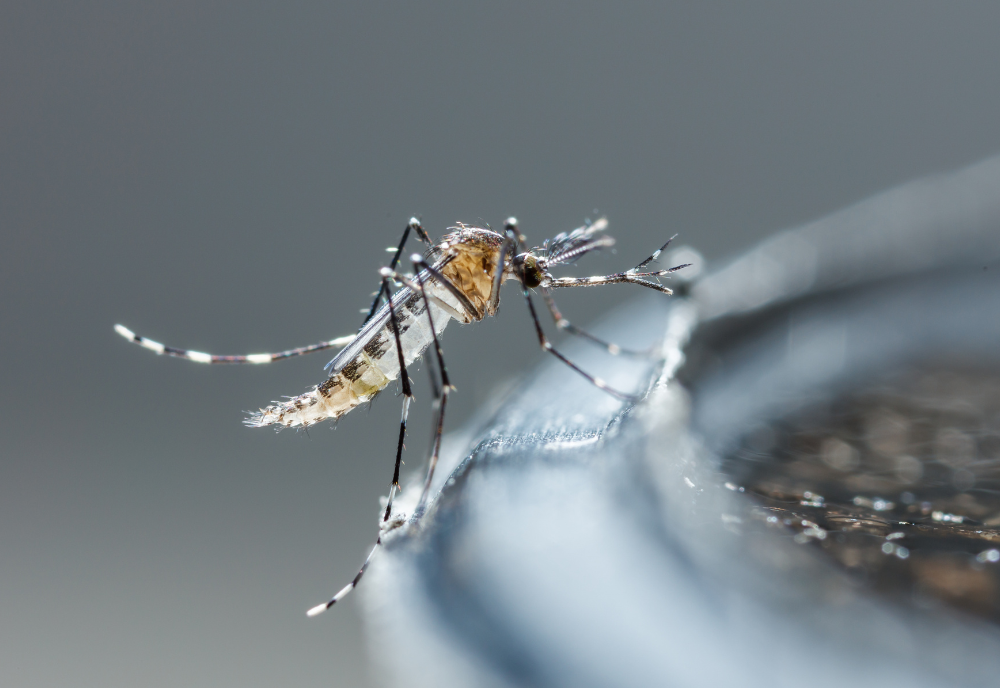
Local dengue cases are being reported in Hillsborough County, raising questions about how the virus reached Tampa Bay and how it is spreading.
Three USF Health experts discuss what residents should know about dengue, including its symptoms, how to protect against mosquitoes, what research is underway
in Florida and what lessons can be learned from outbreaks in Latin America and the
Caribbean.
Kristi Miley, PhD, a researcher at the USF College of Public Health’s Center for Global Health and
Infectious Disease Research, studies mosquito-borne diseases in Florida.
Sten H. Vermund, MD, PhD, dean of the USF Health College of Public Health and chief medical officer of the
Global Virus Network, whose international headquarters are based at USF, is an infectious disease epidemiologist.
Juan David Ramírez-González, PhD, professor of Global, Environmental and Genomic Health Sciences, studies tropical
and vector-borne diseases in Florida and Latin America.
What is dengue, and how do people get it?
Miley: Dengue is a viral illness that spreads through the bite of infected Aedes Aegypti
or Aedes Albopictus mosquitoes. Both are already established here in Florida.
Local transmission occurs when someone gets dengue while traveling, then returns to
Florida, and is bitten by a mosquito here that picks up the virus and later passes
it on to another person.
Why are we seeing dengue in Tampa?
Miley: The mosquitoes that can spread dengue are already here. We are seeing warmer temperatures
and lots of rain. This gives these mosquitoes plenty of places to breed. They don’t
need a puddle or a pond. All they need is water sitting in a flowerpot, bucket, tire,
or other small container to breed.
Aedes mosquitoes also live very close to people in and around homes.
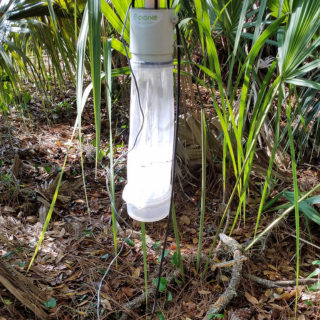
A C02 baited trap, used to attract mosquitoes bu mimicking human respiration (photos
courtesy of Kristi Miley)
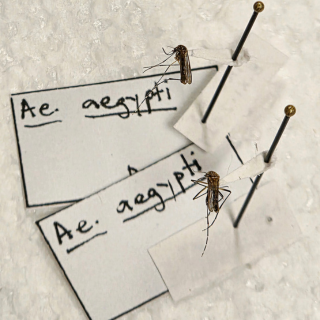
Dengue vector Aedes Aegypti, one of two species of mosquitoes carrying the disease
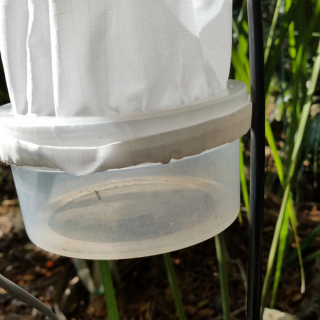
Mosquito caught in C02 baited trap near the bay area as part of Miley’s research
What are the symptoms of dengue?
Vermund: Some people with dengue never feel sick but can still pass the virus to mosquitoes.
But many people have a fever and headache. Pain behind the eyes is common, along with
muscle and joint aches. Some people have nausea or develop a rash. While most people
recover without serious problems, it can be life-threatening in a small number of
people.
People should seek medical attention if they are experiencing severe stomach pain, persistent vomiting, bleeding, marked weakness or trouble breathing. If dengue is circulating locally, your healthcare provider can send special blood
tests for diagnosis.
Also watch the timing. Sometimes your fever goes away in a few days, but that’s when
a small proportion of people start to get much sicker. If other symptoms worsen as
the fever comes down, seek medical care.
What should I do if I think I have dengue?
Vermund: Call your healthcare provider and make sure you’re staying hydrated. Don’t take aspirin
or drugs like ibuprofen if you suspect dengue, as they can raise the risk of bleeding.
Acetaminophen is recommended for fever and pain. Stay in touch with your provider,
especially if you start feeling worse.
There’s no antiviral treatment for dengue. While you’re sick, try to avoid mosquito
bites, too. People with dengue can pass the virus to mosquitoes during roughly the
first week of illness. A mosquito can then pass the virus to a neighbor, co-worker
or family member.
How can I prevent dengue around my home?
Miley: Emptying standing water around your home is extremely effective. Check places like
flowerpots, children’s toys, buckets, gutters, and old tires. Mosquitoes don’t need
much water to lay their eggs.
If you find standing water, dump it. Don’t think of mosquito protection as something
you only need in the evening. Aedes aegypti also bites during the day, so use repellent when you’re outside during daylight hours too. I also suggest checking the screens
on your windows and doors for holes that could let mosquitoes inside.
What has your research found about dengue in Florida?
Miley: Once you’ve had one dengue serotype, you generally have long-lasting immunity to
that particular one. There are four dengue serotypes, and we’ve seen evidence of all
four in Florida. A second infection with a different serotype can sometimes lead to
more severe disease, which is why we pay attention to which serotypes are circulating
in Florida.
We’ve been looking back at what was happening when these cases showed up and asking
questions like: Was it especially hot? How much rain had we had? What were mosquito
numbers like? We’re trying to see whether those pieces tell us anything about when
we’re most likely to see dengue cases increase.
What lessons about combating dengue can we learn from the experiences of Latin America
and the Caribbean?
Ramírez-González: The tropical regions of countries in Latin America and the Caribbean face dengue
year after year, giving their scientists and public health teams extensive experience
responding to it.
We can learn from how other countries track cases, control mosquitoes, diagnose infections
and respond when cases rise. Florida is closely connected to the region through travel,
so sharing what we’re seeing and learning from colleagues who’ve dealt with dengue
for years benefits everyone.
Where does international collaboration fit in?
Miley: Last year, I presented our Florida dengue research at a Global Virus Network Regional Meeting for the Caribbean and Latin America in Jamaica. Dengue and other mosquito-borne diseases
were a big part of the discussion.
During that meeting, I spoke directly with researchers who see much more dengue in
their countries than we typically see in Florida. These relationships and connections
help us reach out and exchange information quickly when cases rise.
Ramírez-González: Looking at what’s happening across the region can also give us an idea of what we
might see in Florida. Which serotypes are circulating? Are outbreaks changing? What
are scientists seeing in mosquito populations? When we compare that with our own data,
we can start to spot changes that might otherwise be missed.
What can Tampa Bay residents do right now?
Miley: Start with your own yard. After it rains, look for anything holding water and dump
it. Clear gutters where standing water might harbor mosquito larvae. For containers
too large to dump, “Mosquito Dunks” can kill mosquito larvae without harming animals
or humans.
Use mosquito repellent during the day and evening. Remember that the mosquitoes that
spread dengue bite during the day, too.