
Many Florida children may not be riding as safely in their cars as parents think, according to new research released by AAA ahead of Child Passenger Safety Week.
AAA found that many children are moving to booster seats and seat belts before they’re ready, while many child restraints are not being used correctly.
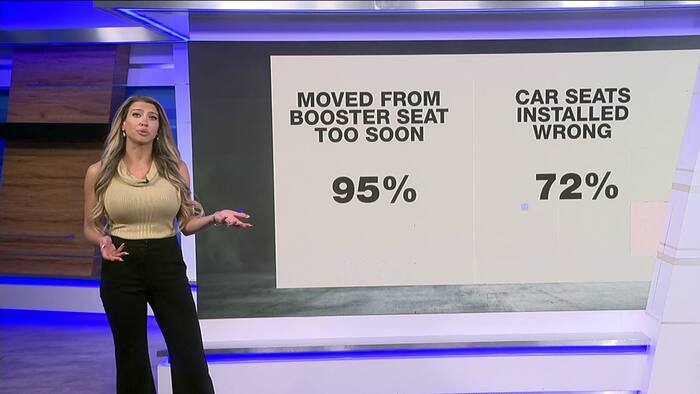
Data collected during child passenger safety inspections in 2025 found that 95% of Florida children had moved to an adult seat belt before it fit correctly, while 32% had transitioned to a booster seat too soon.
The same research found that 72% of child restraints inspected in Florida were being used incorrectly.
Common issues such as loose harness straps, poor seat belt fit, or improper installation can reduce the protection a child restraint is designed to provide during a crash.
This research is based on child passenger safety inspections conducted by certified Child Passenger Safety Technicians across Florida and nationwide.
National crash data also shows child restraint use declines sharply as children get older. Between 2020 and 2024, 78% of injured 3-year-olds involved in crashes were riding in a car seat or booster seat. By age 6, that figure dropped to 45%.
“Parents would never knowingly put their child at risk, but many don’t realize a seat belt that looks like it fits may not actually provide the protection their child needs,” said Mark Jenkins, spokesman for AAA. “At the same time, even the right seat can’t do its job if it’s installed incorrectly or the harness isn’t properly secured. Before your next trip, take a few moments to check both fit and installation.”
Why does it matter?
Children can lose important crash protection when they move from a car seat to a booster seat, or from a booster seat to an adult seat belt, before they’re physically ready.
According to the National Highway Traffic Safety Administration, car seats reduce the risk of fatal injury by 71% for infants and 54% for toddlers in passenger cars.
Those benefits depend on using the Many Florida children may be riding less safely than their parents realize, according to new research released by AAA ahead of Child Passenger Safety Week.
AAA found that many children are moving to booster seats and seat belts before they’re ready, while many child restraints are not being used correctly.
Data collected during child passenger safety inspections in 2025 found that 95% of Florida children had moved to an adult seat belt before it fit correctly, while 32% had transitioned to a booster seat too soon.
The same research found that 72% of child restraints inspected in Florida were being used incorrectly. Common issues such as loose harness straps, poor seat belt fit, or improper installation can reduce the protection a child restraint is designed to provide during a crash.
This research is based on child passenger safety inspections conducted by certified Child Passenger Safety Technicians across Florida and nationwide.
National crash data also shows child restraint use declines sharply as children get older. Between 2020 and 2024, 78% of injured 3-year-olds involved in crashes were riding in a car seat or booster seat. By age 6, that figure dropped to 45%.
“Parents would never knowingly put their child at risk, but many don’t realize a seat belt that looks like it fits may not actually provide the protection their child needs,” said Mark Jenkins, spokesman for AAA – The Auto Club Group. “At the same time, even the right seat can’t do its job if it’s installed incorrectly or the harness isn’t properly secured. Before your next trip, take a few moments to check both fit and installation.”
Why Does Proper Car Seat Use Matter?
Children can lose important crash protection when they move from a car seat to a booster seat, or from a booster seat to an adult seat belt, before they’re physically ready.
According to the National Highway Traffic Safety Administration, car seats reduce the risk of fatal injury by 71% for infants and 54% for toddlers in passenger cars. Those benefits depend on using the right restraint and using it correctly.
How Do Parents Know When a Child Is Ready for an Adult Seat Belt?
Many children need a booster seat longer than parents realize.
A child is generally ready to stop using a booster seat only when:
Their knees bend naturally at the edge of the vehicle seat
The lap belt fits low across the hips and upper thighs
The shoulder belt rests across the middle of the chest and shoulder
They can remain seated correctly for the entire trip
If any of these conditions are not met, a booster seat is still needed.
What Car Seat Mistakes Are Most Common in Florida?
Child Passenger Safety Technicians most frequently identified:
Improper seat belt fit
Loose harness straps
Car seats that were not installed tightly enough using the vehicle seat belt
While some mistakes may seem minor, they can affect how well a restraint protects a child during a crash.
When Can a Child Ride in the Front Seat?
AAA recommends children younger than 13 ride in the back seat whenever possible.
The back seat offers greater protection during a crash and helps reduce the risk of injury from front passenger airbags. Even when children are properly restrained, the back seat remains the safest place for children to ride.
What Should Parents Check Before Their Next Drive?
Check seat installation. A car seat should not move more than one inch side to side or front to back at the belt path.
Check the harness. Straps should be snug enough that no extra webbing can be pinched at the child’s shoulder.
Check the tether. Use the top tether whenever possible with forward-facing car seats.
Check seat belt fit. The lap belt should fit low across the hips and upper thighs, and the shoulder belt should cross the chest and shoulder.
Check the stage. Keep children in the appropriate restraint for their age, height, weight, and development.
Check again. Have a certified Child Passenger Safety Technician inspect the seat when purchasing a new seat, changing vehicles, or moving a child to the next stage.
Safety resources
AAA offers a variety of child passenger safety resources to help parents and caregivers choose, install, and use the right restraint for their child.
Parents can visit AAA’s Driver Safety Resource Center at AAA Driver Safety Resources for:
Child passenger safety guidance and educational materials
Car seat and booster seat safety information
Tips for determining when a child is ready for the next restraint stage
Traffic safety resources for drivers, parents, and families
Additional safety information designed to help protect children on every trip
Parents can also contact a certified Child Passenger Safety Technician for assistance with car seat selection, installation, and seat belt fit.
How do you know when they’re ready?
Many children need a booster seat longer than parents realize.
A child is generally ready to stop using a booster seat only when:
Their knees bend naturally at the edge of the vehicle seat
The lap belt fits low across the hips and upper thighs
The shoulder belt rests across the middle of the chest and shoulder
They can remain seated correctly for the entire trip
If any of these conditions are not met, a booster seat is still needed.
Common car seat mistakes
Child Passenger Safety Technicians most frequently identified:
Improper seat belt fit
Loose harness straps
Car seats that were not installed tightly enough using the vehicle seat belt
While some mistakes may seem minor, they can affect how well a restraint protects a child during a crash.
When can they ride in the front?
AAA recommends children younger than 13 ride in the back seat whenever possible.
The back seat offers greater protection during a crash and helps reduce the risk of injury from front passenger airbags.
Even when children are properly restrained, the back seat remains the safest place for children to ride.
What to check before your next drive
Seat installation. A car seat should not move more than one inch side to side or front to back at the belt path.
Harness. Straps should be snug enough that no extra webbing can be pinched at the child’s shoulder.
Tether. Use the top tether whenever possible with forward-facing car seats.
Seat belt fit. The lap belt should fit low across the hips and upper thighs, and the shoulder belt should cross the chest and shoulder.
Stage. Keep children in the appropriate restraint for their age, height, weight, and development.
Check again. Have a certified Child Passenger Safety Technician inspect the seat when purchasing a new seat, changing vehicles, or moving a child to the next stage.
Copyright 2026 by WJXT News4JAX – All rights reserved.