
To watch Laudy interview two young girls on the Key about lice, click here. To watch her second interview to three young boys, click here.
Head lice is one of those school-year realities that many parents avoid talking about because, frankly, the whole topic feels disgusting, and because parents often feel embarrassed when their child has lice.
Still, lice happen often, quickly, and without any connection to cleanliness or parenting ability.
Why lice are more common than we think
Head lice, formally known as Pediculus humanus capitis, are tiny wingless insects that live close to the scalp. They spread primarily through direct head-to-head contact, which makes schools, sleepovers, sports teams, camps and playdates ideal places for transmission. In other words, lice are not a sign that anything is “wrong” at home. They are simply very good at taking advantage of children being children.
Anyone who has worked in a school setting knows how quickly a case can become a classroom concern. I once saw a class of 27 students where 20 had to be sent home because of lice. At that point, it was less of an outbreak and more of an uninvited conference with excellent attendance.
One moment stayed with me: a student began scratching during a lesson, and lice were visible on his notebook. When I gently explained that he could not stay in school until he was treated, he told me his mother had tried everything and nothing had worked. That moment was a reminder that lice are not about hygiene, effort or neglect. They are about persistence.
The treatment challenge
That same year, I got lice too. I also learned firsthand that dyed hair does not provide magical protection, despite what neighborhood folklore may suggest. Lice are not impressed by salon appointments.
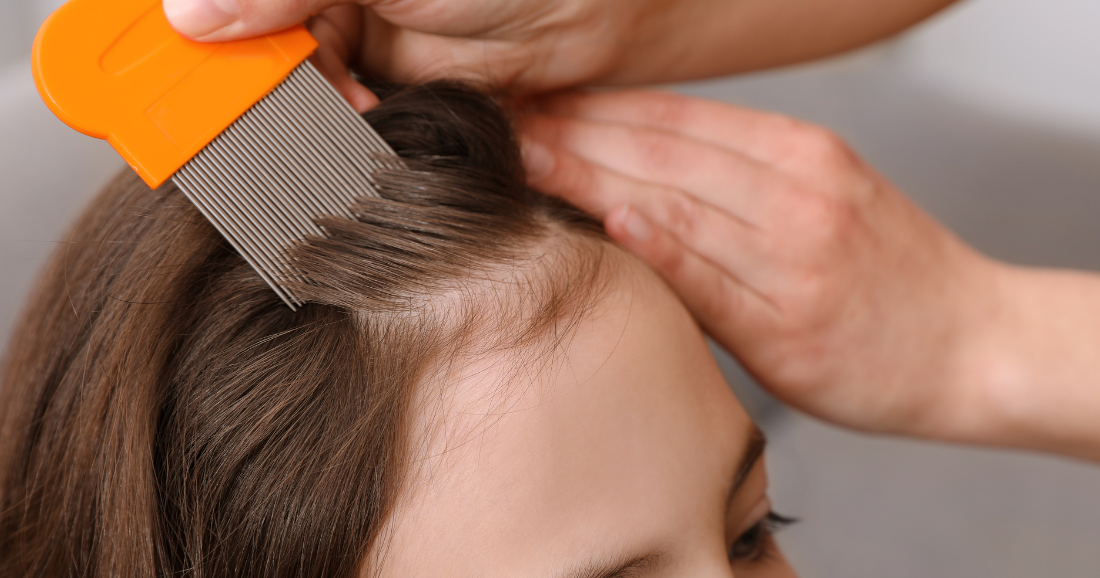
I tried an over-the-counter treatment kit, followed the instructions carefully, and used the metal comb that comes with most kits. Anyone who has used one knows it is effective, but it is not exactly a spa experience. I also tried vinegar after hearing it could help prevent reinfestation, which left me smelling like a very responsible salad.
Over-the-counter treatments can be helpful, but if lice persist after proper use, families should avoid repeatedly applying the same product without guidance. Some lice may be resistant to common ingredients. Professional lice removal services can often provide a faster, more thorough solution.
How schools respond
Many Key Biscayne schools take lice prevention and response seriously, which helps protect classrooms and families. At Saint Agnes Catholic Academy, for example, lice checks are conducted approximately twice a year by a specialized lice company with revision checkup. Parents are promptly notified if a case is identified. Students are typically picked up, treated at home and cleared before returning to school.
The process is thorough; the lice-check provider sends home written confirmation with a sample lice taped to the paper. It is admittedly not the souvenir any parent hopes to receive.
In public school settings, the teacher notifies the office and they call the parents. Families often rely on classroom group chats to alert one another when lice are found. These messages may not be glamorous, but they are helpful. A timely heads-up allows other parents to check their children early and prevent further spread.
Quick action checklist for parents
• Notify the school and follow its return-to-classroom policy.
• Treat the child with an approved over-the-counter product or contact a professional lice removal service.
• Check every household member, including adults.
• Wash bedding, hats, towels, and hair accessories in hot water and dry on high heat.
• Seal non-washable items in a plastic bag for two weeks when needed.
• Use a fine-tooth metal comb consistently after treatment.
• Inform close contacts kindly and without shame.
What experts want parents to know
The biggest myth about lice is that they are caused by dirty hair. They are not. Lice do not care whether hair is freshly washed, styled, dyed or still carrying yesterday’s pool-water situation. They need a warm scalp and close contact, that is all.
Lice spread most commonly through head-to-head contact, especially among children who naturally sit close, hug, whisper, take selfies, share space and pile together during play. They do not discriminate by neighborhood, school, income level, shampoo brand or parenting style.
Each year, millions of children in the United States experience head lice. So if your child comes home with lice, welcome to the club that nobody wants to join, but certainly not one you joined alone.
A final word for Key Biscayne parents
If you receive the call from school, take a breath. Lice are inconvenient, uncomfortable and deeply annoying, but they are manageable. Treat promptly, comb thoroughly, clean the necessary items and check the rest of the household.
Most importantly, do not attach shame to the situation. Lice are not a reflection of your home, your child or your parenting. They are simply persistent little pests with terrible boundaries. Handle them quickly, communicate kindly and remember this happens to many families, even the ones with fresh haircuts, clean sheets and very organized snack drawers.