
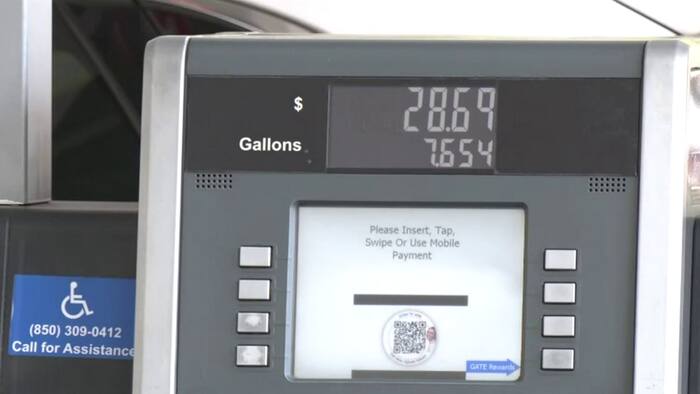
JACKSONVILLE, Fla. – Filling up the tank is becoming a bigger expense for Jacksonville drivers, with regular gas averaging $4.36 a gallon on Friday and diesel reaching a record high statewide.
According to AAA, Jacksonville’s average price for regular gasoline increased 4 cents overnight, up from $4.32 Thursday.
At Friday’s average, filling a 15-gallon tank costs $65.25.
For Andrew Horce, the increase was hard to miss after a recent trip to Orlando.
“I mean, I got gas, I don’t know, about a week ago, and I went to Orlando and came back, and gas is now what? 15 cents more? This is crazy,” Horce told News4JAX reporter Briana Brownlee and photojournalist Jesse Hanson.
When asked how much it would cost to fill his car, Horce laughed.
“Oh, I’m not going to fill it,” he said. “Splash and dash.”
Gas prices climb across Florida
Jacksonville’s average is slightly higher than Florida’s statewide average of $4.33 per gallon, according to AAA.
Statewide, regular gas prices have increased approximately 41 cents over the past month, up from $3.92 a gallon.
For a driver purchasing 15 gallons, that amounts to about $6.15 more than a month ago.
The national average stands at $4.47 per gallon.
AAA has identified elevated crude oil prices and volatility surrounding the Strait of Hormuz as factors contributing to the recent increase in fuel costs.
Diesel prices hit record high
The impact could extend beyond what drivers pay at the pump.
Florida’s average diesel price reached $6.35 per gallon Friday, setting a new statewide record, according to AAA.
That’s $2.69 more per gallon than a year ago, when diesel averaged approximately $3.66.
For someone purchasing 20 gallons, the difference adds up to $53.80.
Caleb Davis said he’s particularly concerned about what higher diesel prices could mean for the cost of everyday goods.
“Diesel prices are my number one concern because everything that gets shipped in the area is using big truck diesel, right? So if the cost of goods go up, everything else goes up because of gas prices,” Davis said.
Diesel powers many commercial trucks used to transport products, meaning higher fuel costs can increase shipping expenses. Whether those increases are passed along to consumers depends on several factors, including how businesses manage their costs.
Ron Vorpe said he worries that businesses across multiple industries could feel the pressure.
“Fuel for transportation and logistics, restaurants are going to suffer; all types of industries are going to suffer because you have to have fuel to get services, and it’s going to hurt your bottom line and your business. It’s frustrating,” Vorpe said.
With fuel prices continuing to fluctuate, drivers can compare prices at nearby stations before filling up to help keep costs down
Copyright 2026 by WJXT News4JAX – All rights reserved.