
It comes as municipalities across the Tampa Bay region are looking to cut costs ahead of November’s election of Amendment 3.
TREASURE ISLAND, Fla. — Treasure Island is considering changing how it pays for library services for residents as city leaders look for ways to reduce expenses.
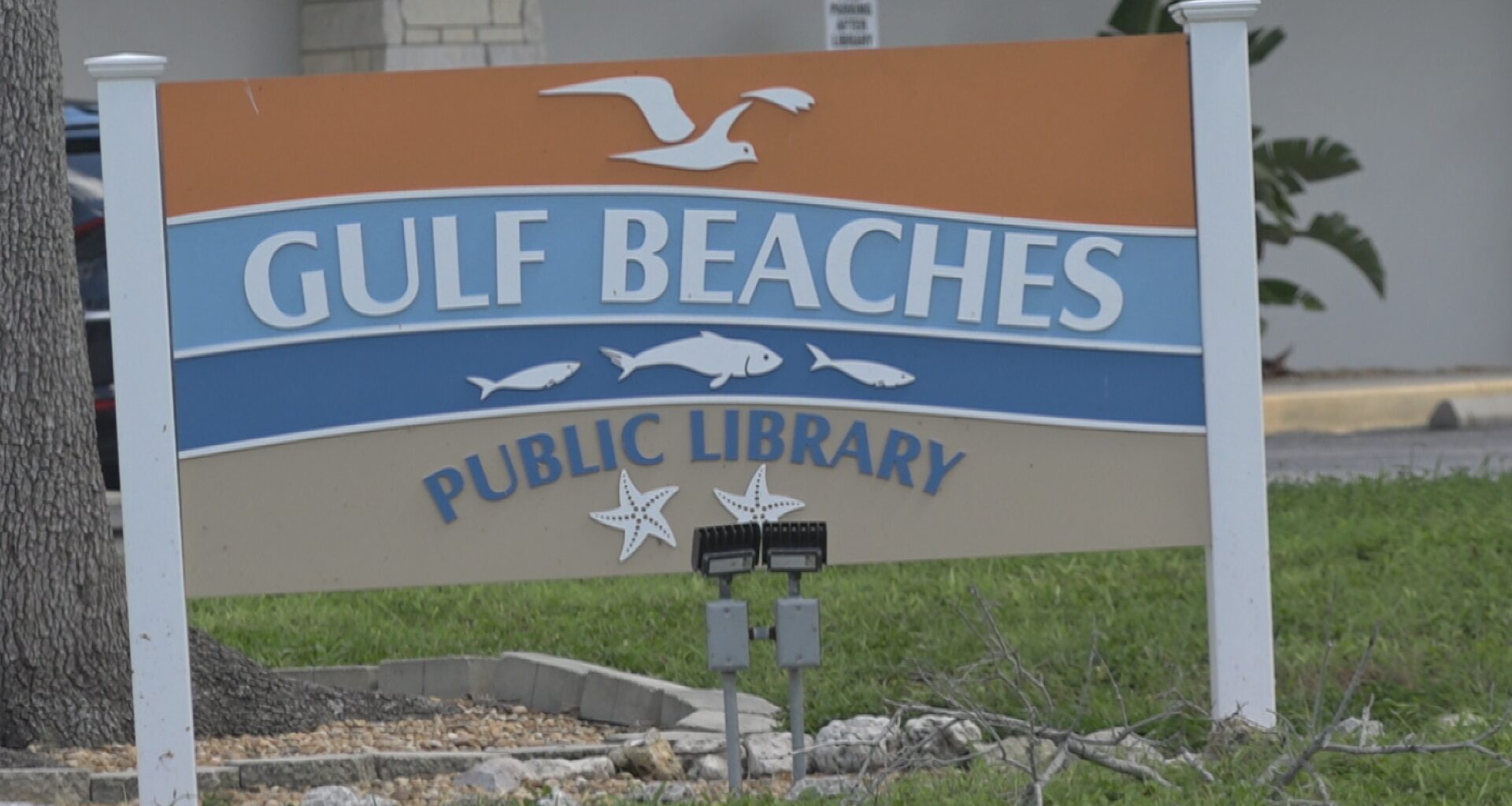
The city currently contributes roughly $160,000 a year to the Gulf Beaches Public Library and other libraries through its participation in the Pinellas Public Library Cooperative. The current agreement is set to expire Sept. 30.
About 2,700 Treasure Island residents currently have active library privileges through the program. Residents of Pinellas County municipalities that participate in the cooperative are eligible for a free library card. The card can be used at all PPLC member libraries and provides access to physical materials as well as digital resources.
City commissioners have discussed several options for changing the arrangement.
One option would be to renegotiate the agreement with the library and pay based on the number of Treasure Island residents actually using the service, rather than the city’s overall population.
Another option would be a reimbursement program, in which the city would reimburse the library for the number of cards its residents obtain. But some question whether that would actually save the city money in the long run if more residents register for library cards than they anticipate.
Treasure Island Vice Mayor Tammy Vasquez said the goal is to find a less expensive way to maintain access for residents.
“I’m definitely not anti-library,” she said. “I’m just looking at efficient ways that still give the residents the benefits that they’re used to, but could potentially save a significant amount of money.”
Other commissioners even suggested no reimbursement at all. The Pinellas Public Library Cooperative currently says residents of non-member municipalities can purchase a library card for $100 per year.
The library debate comes as municipalities across the Tampa Bay region are examining their budgets and discussing ways to reduce costs.
Those conversations are taking place ahead of the November election, when Florida voters will decide Amendment 3, a proposal that would significantly increase the homestead exemption and reduce local property-tax revenue over time.
The potential impact on local government finances has prompted communities to examine how they fund services and whether some programs could require new fees or other changes.
Tampa Mayor Jane Castor just last week warned her residents of some of these potential new fees.
“We will continue to provide services, but there will be fees for those services,” she said. “I don’t want to be overdramatic. I mean, we’ll survive. There’s no doubt about that. But it’s going to change the way that services are provided, and the way that those services are paid for.”
As for Treasure Island, the city has kept money for the library program in its newly adopted budget, meaning the program has not been eliminated.
However, commissioners have not yet made a final decision on whether to renew the current agreement, negotiate a different arrangement or require residents to shoulder some or all of the cost.
The city is expected to continue discussing the issue in the coming weeks.
10 Tampa Bay News spoke with a representative of the Gulf Beaches Public Library over the phone, and he told us they were pleased to see the funds for their program kept in the budget and that they are looking forward to reaching a final agreement with the city.