
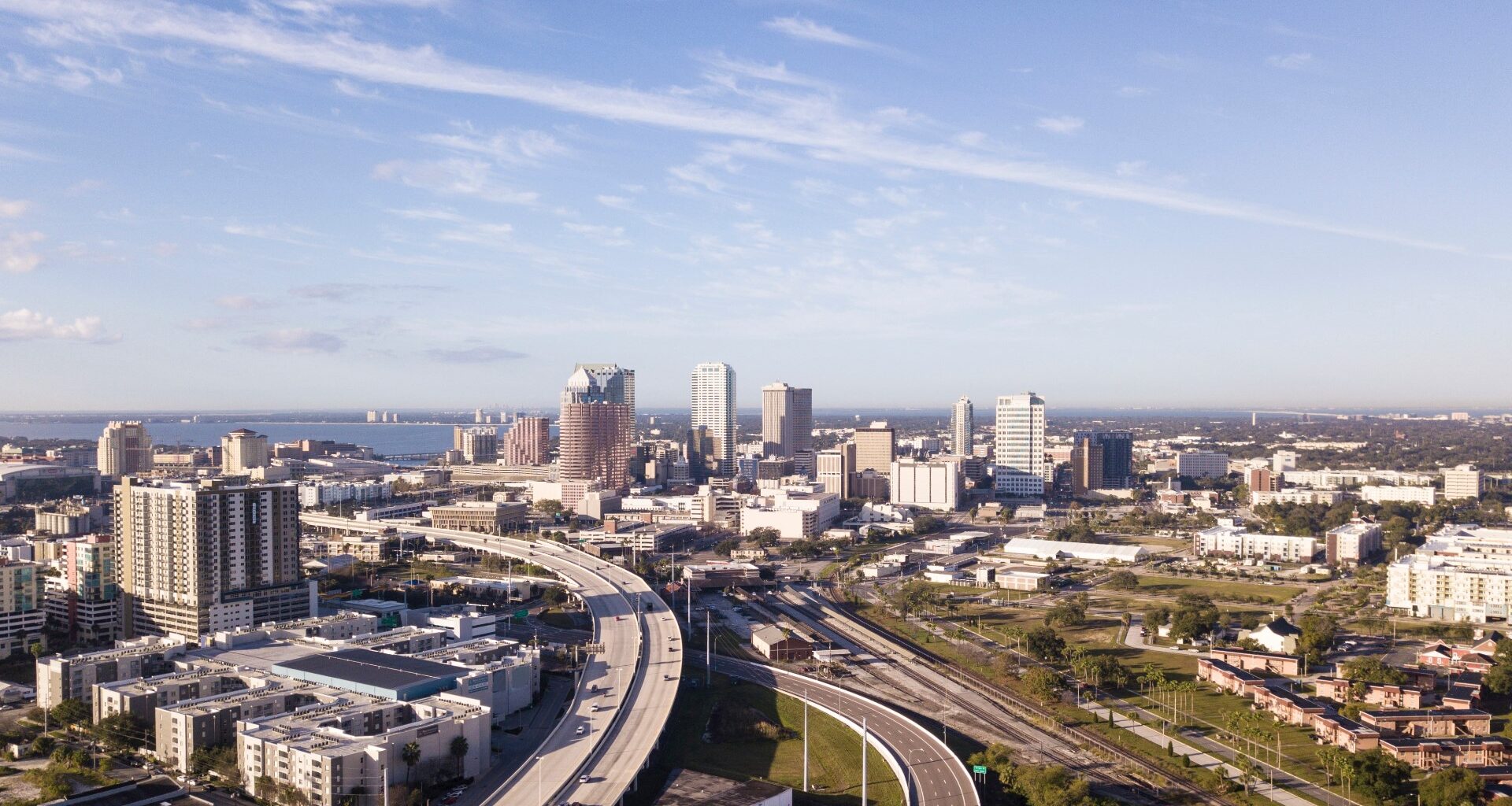
The data is derived from Hillsborough County fatal crash reports and traffic analytics.
TAMPA, Fla. — Across the Tampa Bay area, drivers get into crashes every day — but the most serious ones tend to happen on a relatively small number of roads, according to new data from Hillsborough County, city reports and statewide traffic analytics.
Even as fatal traffic crashes trend downward countywide, city leaders are focused on preventing the ones most likely to cause death or life-altering injuries.

This story continues below.
More in Traffic
Multi-vehicle crash shuts down 66th Street North in Largo
Tractor-trailer crashes into Pasco school bus on U.S. 301, leaving 4 hurt: FHP
Since the start of the year, 67 fatal traffic crashes have been reported in Hillsborough County through July 11, as shown in the county’s September traffic safety report.
Traffic data from Signal Four Analytics shows that as of September, that number has increased to 71 crash-related deaths, with 351 serious injuries.
The number has decreased by approximately 21% from last year, when 85 fatal crashes were reported countywide through July 2025.
Within the city of Tampa, however, the numbers are a bit more dire.
Data from Signal Four shows that so far this year, 16 people were killed in traffic crashes within city limits, with 122 serious injuries reported.
To help reduce fatal and life-changing crashes, Tampa relies on its Vision Zero initiative, which uses crash data to identify areas with the greatest safety risks.
“Even one deadly crash is too many. Vision Zero is the City of Tampa’s effort to eliminate all roadway deaths and life-altering injuries, while increasing safe, healthy, equitable mobility for all,” the city’s website reads.
As part of that effort, Tampa has designated a High Injury Network (HIN), a system of 49 roadway segments “where the majority of a city’s deadly and life-altering injury crashes happen.”
The city’s 2023 Vision Zero Annual Report found the network accounts for just 24% of Tampa’s road miles but 73% of its traffic fatalities. This means that deadly crashes are concentrated on a relatively small share of Tampa’s roads, making those segments a key focus for safety improvements.
Data also shows that bicycle- and pedestrian-related crashes increased steadily between 2018 and 2022, with an alarming 35% spike in deaths in 2021. These numbers are reflected in the recent Hillsborough County numbers, too — pedestrians have accounted for 15% of this year’s traffic fatalities countywide through July.
Tampa leaders have proposed new ways of improving pedestrian safety, even as community members have pushed back with their concerns.
In February, Ybor City neighbors told Tampa city officials that their traffic safety proposal wasn’t enough, following a crash that killed four people and injured 13 others in November 2025.
Still, Tampa continues to track current crash trends through the HIN and its Vision Zero program. The publicly available HIN corridor map was posted in 2022 and is based on crash data from 2014 through 2018.
The HIN includes the following roads:
Hillsborough AvenueBusch BoulevardNebraska AvenueFowler AvenueDr. Martin Luther King Jr. BoulevardKennedy BoulevardFlorida AvenueColumbus DriveDale Mabry Highway
Additionally, portions of Interstate 4 and the Courtney Campbell Causeway are part of this network.
Standing out in all categories is the portion of Hillsborough Avenue located between North Hoover Boulevard and North 50th Street. From 2014 to 2018, there were 145 dangerous accidents along the 8.1-mile strip of road, with 33 reported deaths.
There were also 40 reported bicycle crashes in that corridor — the highest number of any road within the network.
Tampa’s second deadliest road is the portion of Nebraska Avenue between East Bougainvillea Avenue and East Floribraska Avenue, with 69 total dangerous crashes and 14 reported fatalities. Notably, this road also has the second-highest number of reported bicycle crashes at 26.
With 48 traffic crashes, the portion of Armenia Avenue between West Waters Avenue and Main Street is also an area to look out for, with a high number of reported injuries.
“These aren’t obscure roads. They’re the roads Tampa residents drive every day to get to work, school, dinner and home,” said Steve Brooks of Brooks Law Group in a news release. “That familiarity can create a false sense of security. When such a small share of the road network accounts for such a large share of traffic deaths, an ordinary drive deserves more attention than most of us give it.”