
Bend columnist recalls meeting skatepark of Tampa founder Brian Schaefer
Published 12:30 pm Wednesday, September 23, 2026
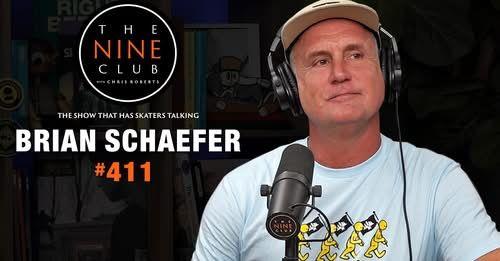
I was mindlessly scrolling my Instagram feed Monday when a reel from the podcast The Nine Club woke me up. Nine Club is the most popular, well-known podcast in skateboarding, featuring interviews with past and present skate pros and luminaries.
When there’s a new episode, Nine Club puts together a reel teasing the episode with a montage of non sequiturs, inside jokes and soundbites from the interview. This week’s guest is Brian Schaefer, who I knew when I lived in Tampa, and seeing that reel made me realize I could use a dose of Brian’s perspective.
Schaefer is the owner of the Skatepark of Tampa, founded in 1993, and an icon in skateboarding internationally. The early ’90s were a time of radical change in skateboarding and the industry around it. In the 1980s, vert skating, that back-and-forth style you’ve likely seen on ESPN’s X Games, flourished on large backyard ramps like the one I’d had from ’84-’88.
By the early ’90s, technical street skating, which became more about slowly rolling and spinning and flipping the board beneath one’s feet than blasting airs on vert, was the dominant form. Street skaters called the fast forward on VCRs “the vert button,” as in “Hit the vert button and skip ahead to the next street segment.” Thrasher magazine ran a cover story in the era headlined “Who killed vert?”
But because it had a vert ramp, SPoT played an outsize role in providing remaining vert skaters a place to ride. Famous San Diegan Tony Hawk would even fly to Tampa to skate SPoT. A vert ramp and two annual contests, Tampa Pro and Tampa Am, the latter of which returns for its 32nd year in October, further cemented his place in skate history.
More importantly to me, Schaefer reignited skating in my late 20s.

When I moved to Tampa 32 years ago this month, I didn’t even know the park existed. My friend and University of Georgia classmate Dan enlightened me after he found I’d moved there, announcing that he and friends would be coming to see me over their break, as Skatepark of Tampa was just 4 miles from my apartment.
I’d skated less and less since graduating from college, but I was game to go with them to the park. I headed straight for the vert ramp. It was the same height as my old ramp, but much more intimidating than it had been when I was in my late teens.
After their visit, I skated alone a few times at SPoT, but it didn’t take. In summer ’96, my friend Nick and I began skating some weekend mornings at a bowl in Perry Harvey Sr. Park, an early public skatepark from the ’70s. Located between a housing project and the city jail, the so-called Bro Bowl had a reputation for danger.
One afternoon in September 1996, I went alone. There were some others skating, and long story short, two teens who’d been spectating from nearby bleachers pulled out a gun and robbed us, threatening to shoot as they fled on foot after the robbery.
I wrote about my experience for my employer, the Weekly Planet, Tampa’s alt-weekly. Whenever Skatepark of Tampa hosted a contest, I would call for info, and writing about the 1996 Tampa Am contest, I ended up on the phone with Schaefer, who recalled my piece about the Bro Bowl incident, and then he said the magic words: “You don’t have to skate there. Come skate here. You don’t have to pay. Tell ’em Brian said you can skate.”
That was all I needed to hear. Catherine, my wife, bought for my 29th birthday a new skateboard to replace the one I’d had from the early ’90s. That welcome signal from Brian reignited my skating, and I took full advantage of his hospitality, relearning tricks, making new friends, feeling like myself again.
One afternoon skating the SPoT mini ramp, Schaefer was attempting a difficult trick, and said to other skaters sessioning the ramp, “I’m a little bit older than you guys, but I’m still trying.”
For the past 30 years, that’s more or less been my philosophy, but recent falls and injuries have me feeling tentative on my board. Self-doubt is not conducive to maintaining your abilities, much less progressing. Injuries are the price you pay in skating, but accumulate enough and it starts to feel unaffordable.
Right now, I need something — a factory reset, sports hypnosis, a jolt of fellowship like Schaefer provided — to help me gain back confidence.