
Tampa, Fla. — As Florida voters prepare for the November election, Amendment 3 is drawing attention from homeowners, landlords and renters.
The property tax measure would expand the homestead exemption for homeowners, reducing the amount of property tax revenue collected by local governments. It would also affect investors who own rental properties, which do not qualify for the homestead exemption.
Under current law, property tax increases on rental homes are capped at 10% year over year. If Amendment 3 passes, that cap would be reduced to 5%.
Supporters said the change could save rental property owners money — savings they argue could be passed on to tenants. But opponents question whether landlords would actually lower rent and warn that local governments could make up the lost revenue in other ways.
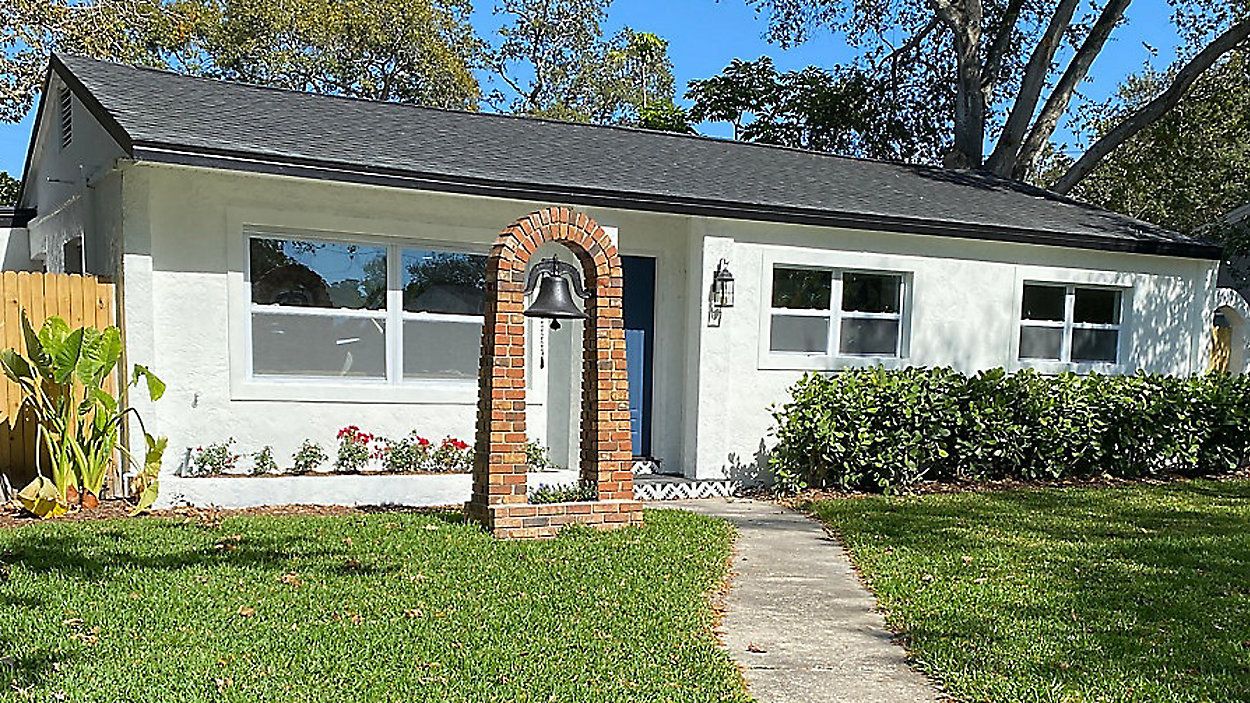
John Jones, a Largo rental property owner who has owned and managed five rental properties for more than two decades, said the proposal could make a real difference.
“I’m a numbers guy,” Jones said. “I’m in the mortgage business, real estate business. So everything’s numbers.”
Jones reviewed property taxes and assessed value increases for one of his rental homes over the past 10 years, comparing the current system with what would happen if Amendment 3 passed.
“It would have been a difference of $80,000 in savings, tax savings for me, and that I would be able to pass on to the tenant,” Jones said. “That equates to about $1,200 a year in tax savings. So it’s $100 a month that I could reduce my rent and pass on to the tenant.”
However, opponents pointed out that there is no requirement in the amendment forcing landlords to pass along savings to renters.
Lacey Lingelbach with the St. Pete Tenants Union is urging voters to reject the amendment.
“More than likely, landlords are not going to decrease the rental prices just because they’re looking to make a profit off of us as renters,” Lingelbach said.
A FloridaHousing.org analysis found that while Amendment 3 would protect investors through a lower year-over-year property tax cap, it would not prevent local governments from raising millage rates.
According to the analysis, apartment units could see an average property tax increase of about $406 a year by 2028. Single-family rentals could see increases of more than $1,000 a year.
The St. Pete Tenants Union also warned that cities and counties could look for other ways to replace lost revenue, potentially affecting renters through higher fees.
“We’re more than likely going to see an increase in fees from cities regarding utilities just to make up for the revenue loss,” Lingelbach said.
For voters, the debate centers on whether tax savings for property owners would lead to lower rents — or whether local governments and market pressures would lead to higher costs being passed on to renters.
Amendment 3 needs at least 60% voter approval to pass in the Nov. 3 election.
Renters could play a key role in the outcome. While homeowners have historically turned out to vote at higher rates, the National Apartment Association reports that the gap between homeowners and renters casting ballots is now about 19%, and that gap could narrow further in the upcoming election.