
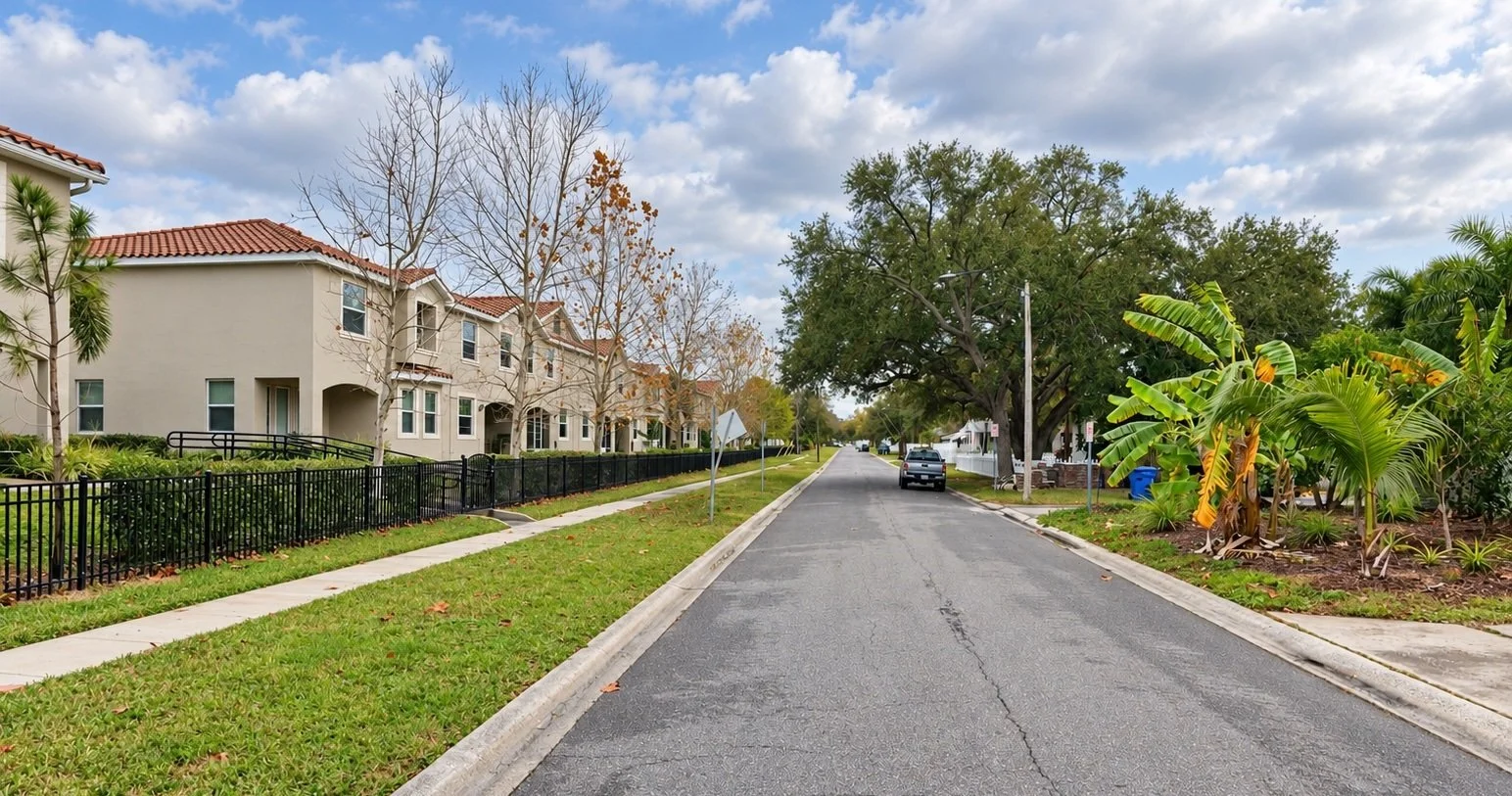
St. Petersburg will test a new plant-based approach to managing stormwater as part of a $7 million project coming to one of the city’s most flood-prone areas.
The city will install eight HydroPlanters, which are modular rain gardens designed to slow and filter rain runoff before it enters the city’s stormwater system.
Each rain garden is about five feet long, three feet wide, and two-and-a-half feet deep.
Filled with specially designed soil, grasses, shrubs, and small trees, the boxes will be installed in an L-shaped configuration along a city-owned grassy area near the intersection of 50th Avenue North and 7th Street North.
During heavy rain, water from the street will flow into the planters and filter through the soil and vegetation. It will then drain into the city’s stormwater system and eventually the 54th Avenue Canal.
“It’s not going to prevent the water from getting through to the canal,” Claude Tankersley, the city’s Public Works Administrator, said in a conversation with St. Pete Rising. “But it’s going to slow it down, so that not all the water gets there at the same time.”
The HydroPlanters, made by GreenBlue Urban, work much like a traditional rain garden or bioswale, where stormwater collects in a planted area and naturally filters through soil and vegetation.