
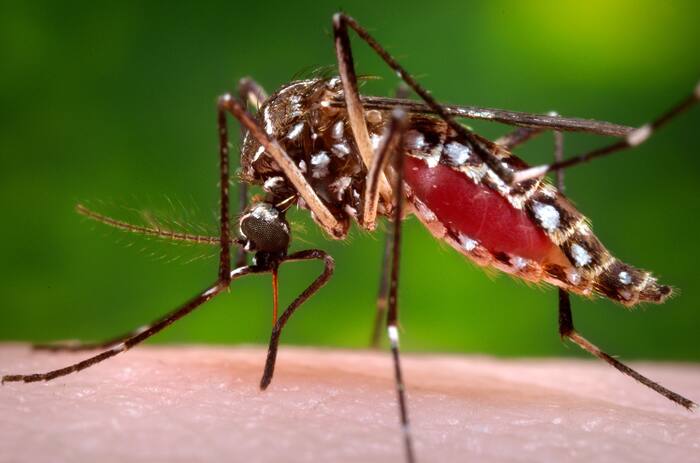
INDIAN RIVER COUNTY, Fla. – A new study from the University of Florida has been released, exposing where many mosquito bites may be happening.
In a release, officials with the UF/IFAS discussed the results of the study, which reportedly examined residential yards and other areas of Indian River County.
An ‘unexpected discovery’
During the study, researchers thought they would find more Aedes albopictus, a breed of mosquito that can spread the dengue virus.
Instead, Aedes aegypti — another breed that’s capable of spreading the virus — was more common in the yards they studied.
[RELATED: Seminole County ramps up mosquito control amid dengue fever concerns]
“It was definitely surprising to find that we saw more Aedes aegypti,” said study co-author Panpim Thongsripong. “We expected to find more Aedes albopictus in suburban Indian River County because of the area’s vegetation and residential setting.”
The discovery is important, as researchers said that Aedes aegypti are known for breeding in containers around people’s homes. And that ties in to some of the conclusions noted in the release.
What researchers found
The team used a smartphone app called “Bite Diary” to learn when and where people were getting bitten by mosquitoes.
Dozens of participants used the app to record bites and outdoor activities over four days. Researchers also set traps at nearly 80 homes and collected thousands of female mosquitoes.
[RELATED: Florida scientist discovers foreign mosquitoes never before seen in the U.S.]
Some of the findings were as follows:
Dog walking and gardening were among the activities frequently reported when participants recorded mosquito bites
Many bites often happened close to home
Researchers also found that the number of mosquitoes caught in a yard did not predict how many bites people reported
People who spent more time outside in the evening were more likely to report being bitten
What this means for residents
The study does not show that dengue is spreading in Indian River County. It does suggest that yards can help researchers understand where people may encounter mosquitoes that can carry disease.
To help prevent bites and reduce mosquito breeding around your home, UF/IFAS researchers recommend:
Use insect repellent with DEET, picaridin or PMD, especially at dawn and dusk
Empty or remove containers near your home that collect water; even small amounts can give mosquitoes a place to breed
[RELATED: Google aims to release millions of mosquitoes into Florida]
Copyright 2026 by WKMG ClickOrlando – All rights reserved.