


Ziggy Marley and his bandmates take the stage at Adderley Amphitheater in Tallahassee on Wednesday, Oct. 7, 2026.
Sarah Cheatham/Tallahassee Democ
USA TODAY Network, Reuters
Visit Tallahassee, a program of the Leon County Tourist Development Council (LCTDC), funds grant proposals once a year for programs and events that attract visitors from outside the county to Tallahassee. Backed by the tourist development tax- commonly called the bed- tax review committee assigns points on a 100-point scale primarily for tourism impact, and then the funding amount is determined.
I’ve been submitting grant proposals to LCTDC and receiving funds for various non-profits since 2017.
This year’s grant proposals face a new hurdle. Because of a new state anti-DEI law that takes effect January 2027, five grant proposals. Including mine, were held back from being scored.
What will the new law do?
Florida Statute Section 125.595 establishes “restrictions on County actions and funding related to diversity, equity, and inclusion, prohibiting the use of County funds for activities designed or implemented with reference to race, color, sex, ethnicity, gender identity, or sexual orientation.”
My grant proposal would partially fund a concert at the Moon featuring a band from Miami that plays Cuban American music. The other four proposals are to help fund a Caribbean music festival, a jazz festival, a leadership program for underrepresented middle and high school girls, and a Juneteenth event.
Because our events take place after January, 2027, we all received the same letter on September 1st:
“Following an initial review, it was determined that your grant application requires additional legal review by the Leon County Attorney’s Office to confirm eligibility under these new statutory requirements (Section 125.595, Florida Statutes)…your application will not advance to the scoring phase until funding eligibility has been confirmed….you will be notified of the specific areas requiring adjustment and provided an opportunity to revise your application to meet eligibility standards, recognizing that program modifications may not be feasible for every event.”
The five of us whose grant proposals are being affected have been told recently by LCTDC staff that the legal review has not yet been completed and that we will be informed when it has.
Already, critics of the law say that it is overly broad, vague, and puts many worthwhile events and activities at risk.
I presume my proposal is being held up because of a “reference” to ethnicity. What types of activities are designed or implemented with reference to ethnicity? Google’s answer was “events designed to celebrate, preserve, and share the arts, music, clothing, and culinary traditions of a specific ethnic group.”
Because we are inviting a Cuban American band from Miami to perform, my application certainly “references” Cuban American culture. But is the audience restricted to just Cuban Americans? Or promoted only to them? No. It is open to the public. If the band were not comprised of Cuban Americans, their styles of music (son, salsa, bolero, etc.) would still “reference” ethnicity because these are identifiable Cuban styles no matter who plays them.
Last week, Ziggy Marley performed at the Adderley Amphitheater. This concert most “references” and celebrates Jamaican ethnicity and culture by celebrating its globally beloved and anti-establishment style, reggae. Good thing it occurred before next January.
If the Bolshoi Ballet came here to perform the Russian masterpiece, Swan Lake, by Pyotr Ilyich Tchaikovsky with choreography by Marius Petipa and Lev Ivanov, does that not “reference” ethnicity and nationality? Of course it does.
If we want to organize a beer festival and call it Oktoberfest, are we referencing German ethnicity and culture? Yes.
I argue that our concert does not advance or promote targeted ethnic or identity-based groups. It is a well-known fact that public audiences can deeply appreciate ethnic and traditional music, even when they don’t share the cultural background or speak the language of the musicians.
Global ethnic sounds are now available to all, so that many formerly unknown cultures’ musical styles have entered the mainstream.
To think that this law, passed by the legislature and signed by Gov. Ron DeSantis, was created in the state of Florida, one of the most diverse states in the U.S. Nearly 30 percent of the population is Hispanic or Latino and 15%-16% is African American. Almost half of Florida’s population is non-White.
Tallahassee is moderately diverse too. The city is comprised of half White and half minority groups (34% African American, 9% Latino or Hispanic, 4% Asian and 4% multicultural).
Because of this new law, is the population of Florida to be restricted to “White” or “American” music, presumably folk, rock, or country? Before they became mainstream, these forms of music were ethnic too. Cutting-edge music continually draws from different streams and styles.
County officials may fear for their jobs next year as those found violating the law can be removed from office by the governor. I feel for the county officials in this predicament, and for the Florida public that is being denied the joy of listening to all kinds of music because it somehow “references” ethnicity.
Jan DeCosmo, PhD, is a retired professor of humanities at Florida A&M University.
JOIN THE CONVERSATION
Send letters to the editor (up to 200 words) or Your Turn columns (about 500-550 words) to letters@tallahassee.com. Please include your address for verification purposes only, and if you send a Your Turn, also include a photo and 1-2 line bio of yourself. You can also submit anonymous Zing!s at Tallahassee.com/Zing.Submissions are published on a space-available basis. All submissions may be edited for content, clarity and length, and may also be published by any part of the USA TODAY NETWORK.
This article originally appeared on Tallahassee Democrat: New state DEI law stalls local cultural event grants | Opinion
Reporting by Jan DeCosmo, PhD, Your Turn / Tallahassee Democrat
USA TODAY Network via Reuters Connect
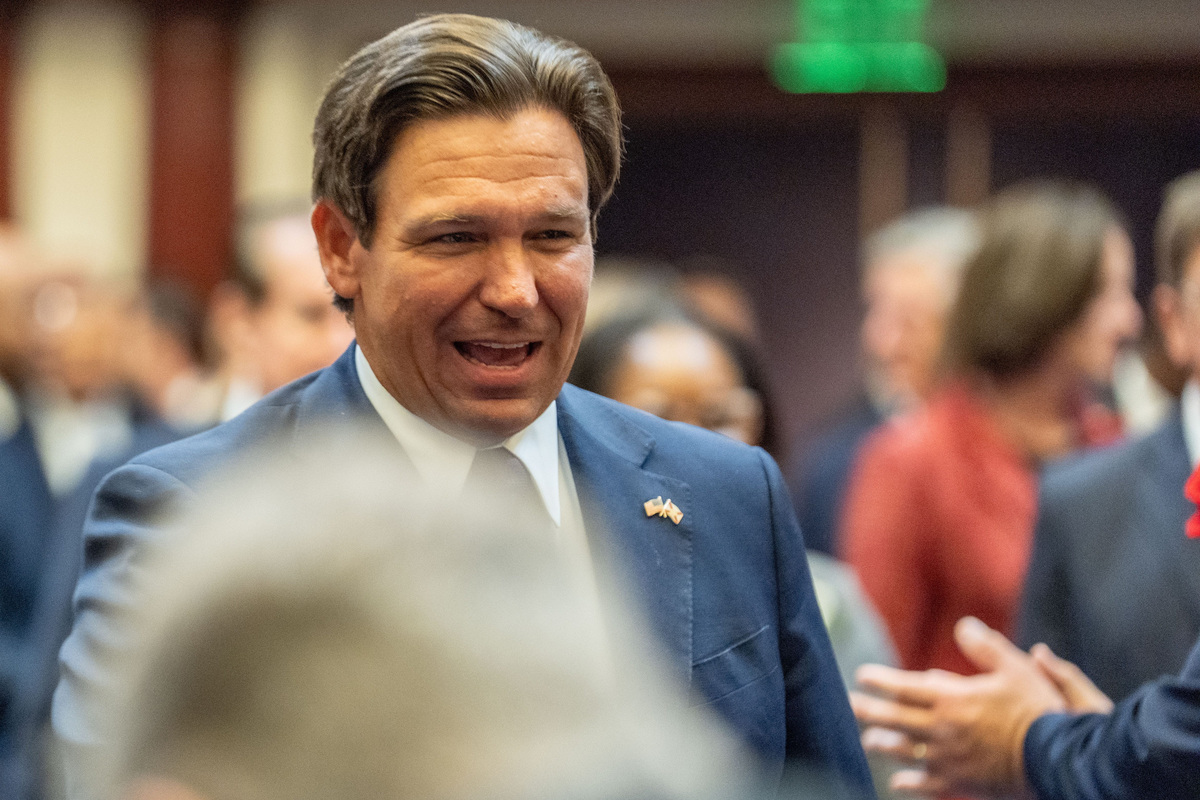 Gov. Ron DeSantis gives the State of the State Address during the opening day of the 2026 Florida legislative session on Tuesday, Jan. 13, 2026. Alicia Devine/Tallahassee Democr USA TODAY Network, Reuters
 “Dreaming the Same Dream” tour concert attendees dance along to the music at Adderley Amphitheater in Tallahassee on Wednesday, Oct. 7, 2026. Sarah Cheatham/Tallahassee Democ USA TODAY Network, Reuters
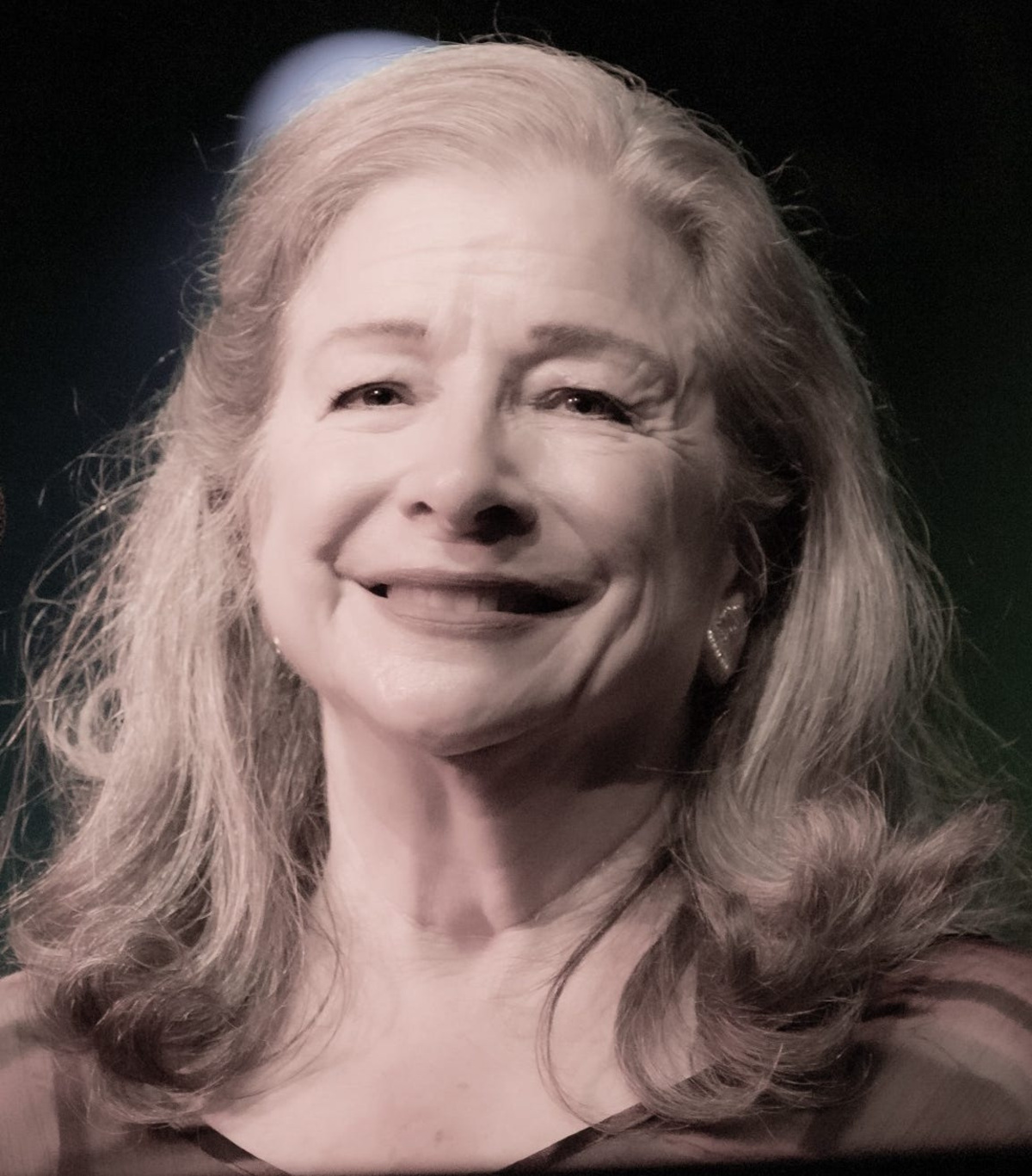 Janet DeCosmo Provided by Janet DeCosmo. USA TODAY Network, Reuters
Copyright Reuters or USA Today Network via Reuters Connect
This story was originally published October 11, 2026 at 5:05 AM.