
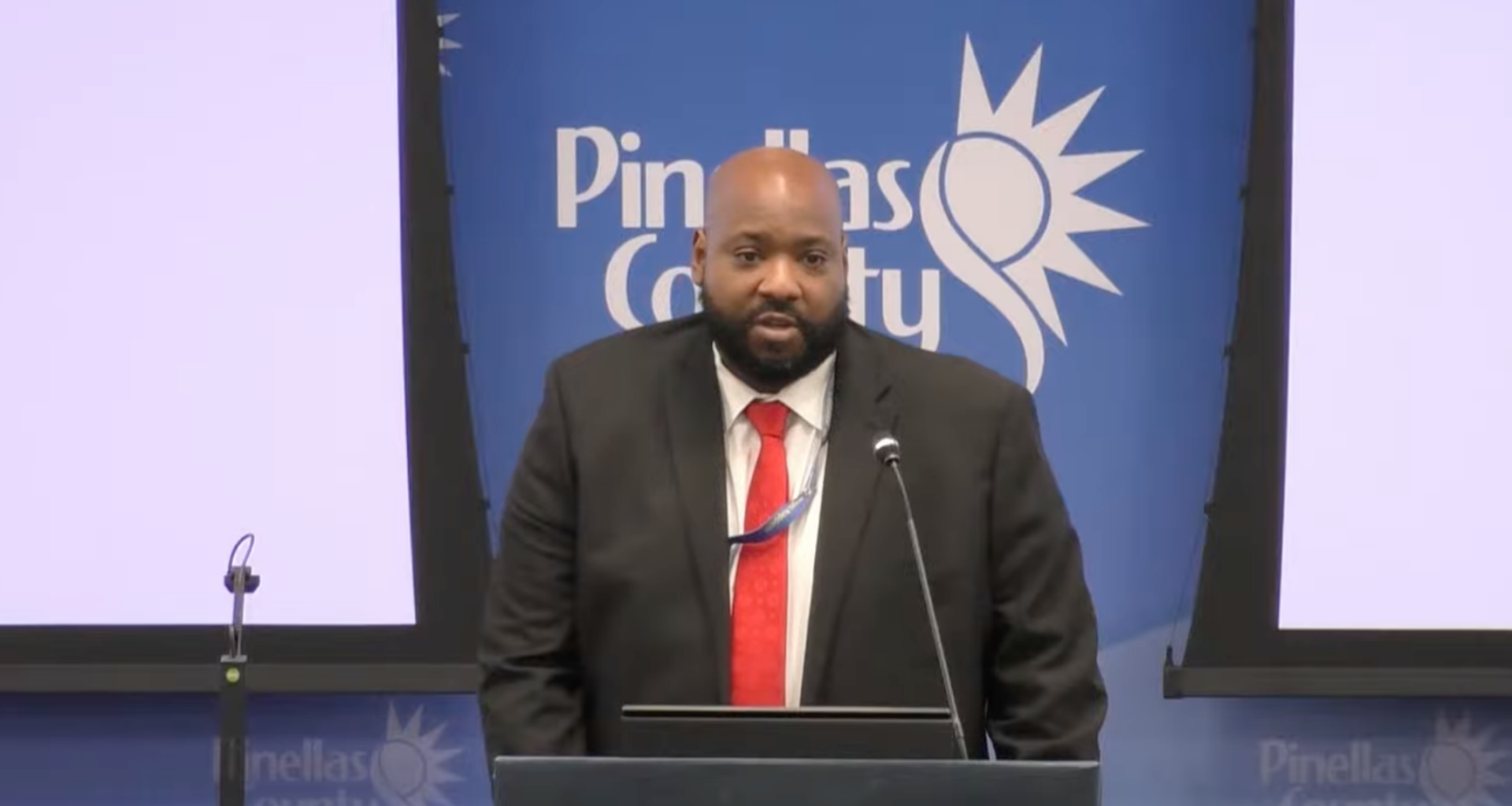
Pinellas County commissioners voted unanimously Tuesday to end funding for a program that provides forensic examinations to sexual assault survivors, even as questions remain about whether local hospitals are prepared to take over the work.
The agreement with Suncoast Center will end Dec. 31, leaving less than three months to establish how examinations, evidence collection and related services will be provided beginning next year.
The decision follows months of scrutiny over Suncoast’s performance and growing concern about the cost of maintaining the program.
Under Florida Statute 395.1021, hospitals with emergency departments must arrange appropriate medical care and forensic evidence collection for sexual assault victims. Pinellas County has helped finance a centralized examination program for years, but county officials now want hospitals to assume greater responsibility.
According to county Human Services Director Karen Yatchum, the proposed transition has raised concerns among local law enforcement agencies.
The Sheriff’s Office and other agencies are uneasy about replacing a single examination location with services spread among multiple hospitals, she said. Investigators currently work through one organization, simplifying coordination with those collecting evidence.
Suncoast has faced questions about its own ability to provide timely care.
A Tampa Bay Times investigation found that Suncoast stopped staffing forensic nurses overnight, leaving some survivors waiting eight to 12 hours for examinations.
The Florida Council Against Sexual Violence subsequently placed Suncoast on a 90-day corrective-action plan over delays in examinations, victim advocacy and failures to notify partner agencies about gaps in overnight coverage.
At Tuesday’s meeting, Vice Chair Chris Latvala revisited the organization’s history, questioning whether previous assurances from its leadership had accurately reflected staffing problems.
Yatchum acknowledged that Suncoast remains under a county corrective-action plan but said the organization has complied with its requirements and improved operations. She also reported two corrective actions involving the Florida Council Against Sexual Violence.
Suncoast President and CEO Jean Pierre pointed to an outside review of the organization’s nursing operations.
“We’ve brought in a nurse consultant that came in and had no findings,” Pierre said. He acknowledged recommendations for quality improvements, but said the review identified no nursing irregularities.
The organization also faces a substantial financial shortfall.
The county has contributed approximately $180,000 annually in recent years, while Suncoast has used its own operating funds to cover expenses. According to Yatchum, the program faces a shortfall of approximately $610,000.
Pierre said the nonprofit could no longer afford to cover the difference.
County officials have proposed that approximately 15 area hospitals each contribute $40,000 annually to keep the existing examination program operating. Otherwise, hospitals would need to arrange examinations themselves.
Pierre questioned their readiness.
“There is a need. This is an essential service, and I’m here to tell you that the hospital system leaders have told me they don’t have nurses on staff,” he said.
The examinations can take four to six hours and require specialized training. Pierre said Suncoast has offered retention bonuses to keep its forensic nurses through December and hired four additional nurses undergoing training and certification.
Commissioners also questioned what the change might mean for survivors.
Chairman Dave Eggers said he preferred the centralized model because it offered greater privacy and empathy than a hospital emergency department.
Commissioner René Flowers emphasized the need for care beyond the initial examination.
“Because it’s not a one and done for some of these individuals. It’s a process, and it’s going to take some time,” Flowers said.
Commissioner Chris Scherer questioned whether the county should end the agreement without a replacement arrangement in place.
“Are we going to be taking a hands-off approach, like ‘this is your problem, solve it’, or are we going to be leading the effort to make sure there’s a plan in place by the end of this?” he asked.
County staff explained that the agreement requires 30 days’ written notice before termination. Commissioners could have delayed the decision until November but chose to proceed.
Yatchum said discussions with hospital executives and Suncoast officials would continue. County Administrator Barry Burton offered to provide progress reports in November and December, while commissioners discussed sending another letter urging hospitals to resolve the matter.
Hospitals could still contribute enough funding to preserve Suncoast’s centralized program. Establishing examination services at individual emergency departments would require training and other preparations.
Neither arrangement was finalized Tuesday, leaving officials with a narrowing window before county funding ends.
“Something needs to change so that the survivors can continue to receive the services that they need,” Yatchum told commissioners.