
Oct. 17, 2026, 9:01 a.m. ET
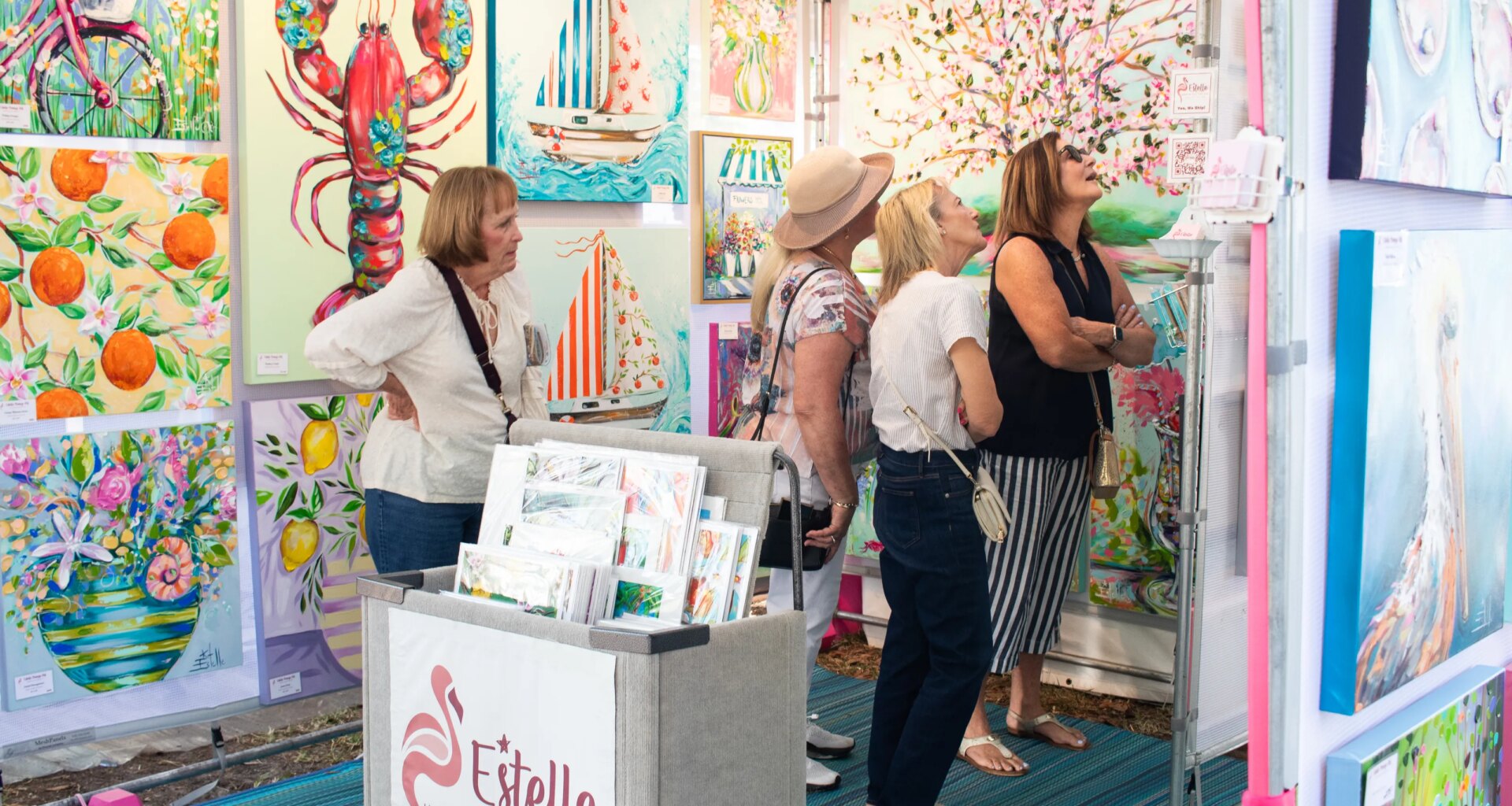
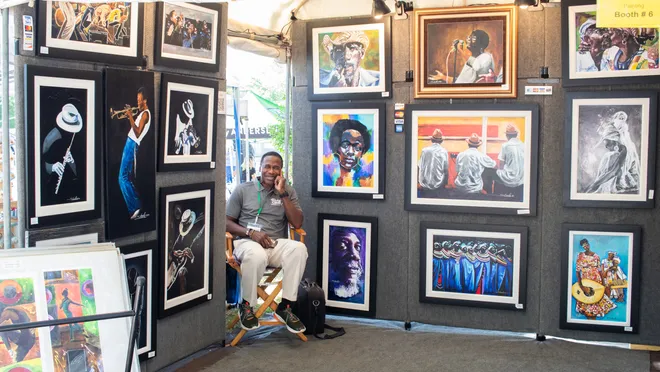
Tallahassee has a vibrant arts and culture scene. From concerts at Cascades Park to annual film festivals, open mic nights, and art exhibitions, local events bring the whole community together.
Many local arts organizations rely on funding and support from city and county governments to keep their programs running. As Florida voters prepare to weigh in on Amendment 3 this November, Tallahassee residents have raised questions about how the amendment could affect arts and culture throughout Leon County.
“Citizens that I have spoken with are concerned with the proposed amendment and how it would impact our community,” Tallahassee Mayor John Dailey said to the FSView. “My hope is that everyone will take the time to learn about the issue before Election Day.”
Florida Amendment 3, officially titled “Increased Homestead Exemption; Lower Cap on Increases in Non-Homesteaded Property Assessments,” would:
Limit property tax increases.Restrict how local governments spend tax revenue.Lower the annual limit on increases to the taxable non-homestead properties, including rental properties and commercial buildings, from 10% to 5%.Raise the homestead exemption on non-school property taxes for people living in their homes to $150,000 in 2027 and $250,000 in 2028.Never miss a beat: Sign up for the FSView Newsletter
Supporters, including the Republican Party of Florida and Florida Realtors, say the amendment would provide property tax relief and make homeownership more attainable. Opponents, including Florida sheriffs and firefighters, warn it would cut the revenue local governments use to pay for public services.
If approved, the amendment would give people who aren’t Florida residents on Dec. 31, 2026, the current, smaller homestead exemption until their fifth year of exemption.
Potential impacts in Leon County, by the numbers
Leon County Senior Public Information Strategist Lauryl Grace Phinney told the FSView that Leon County is preparing for a 30% loss in property tax revenue by weighing options including program cuts, privatizing some services, and reducing its workforce.
“Amendment 3 would have a significant impact on the County’s available property tax revenue and, as a result, could affect the services Leon County provides,” Leon County Senior Public Information Strategist Lauryl Grace Phinney said to the FSView.
Leon County estimates it would lose about $70.7 million a year in property tax revenue once the amendment is fully phased in by Fiscal Year (FY) 2029, roughly 30% of the $235.4 million it currently collects.
The Florida Policy Institute estimates that $158.8 million in local government funding could be at risk in Leon County over FY 2028 and FY 2029, including $59.8 million in FY 2028 and $98.9 million in FY 2029.
What it could mean for Tallahassee arts
These figures represent estimated local government revenue impacts, not confirmed budget cuts or losses specifically to arts and culture programs. However, they illustrate the potential financial pressures local governments could face if the amendment passes.
According to the Council on Culture & Arts (COCA), local government support helps fund public art projects, grants for nonprofit arts organizations, festivals, celebrations, special events, exhibitions, concerts, cultural programming, and resources and professional support for local artists.
“Usually when local governments face revenue cuts, they’re going to cut arts programs. [COCA] will probably face cuts if this passes, leading to fewer staff for art festivals, fewer public events, and cuts to local arts programs,” FSU political science major Emma Claire Goldstein said to the FSView. “I’ve gone to a couple of events showing off local artists and would be devastated if these artists didn’t have an outlet to share their art with their community.”
Balancing affordability and the arts
Property taxes are not the only source of funding for these programs, but they remain a large source of support for Tallahassee’s arts and culture community.
Tallahassee students like FSU economics major Victoria Camacho Arismendi believe making Florida more affordable shouldn’t come at the expense of public services. She told the FSView about two recent funding changes at FSU that she saw upset many students.
The first was FSU’s switch away from its Lyft-based safe ride program, which covered up to $10 per ride between FSU locations. The university replaced it with FSU Safe Ride, a university-run service that is free between FSU locations and charges a $6 flat fare for off-campus trips.
More: Lyft service ends, new FSU SAFE Ride takes over
The second came in April, when the Askew Student Life Center (ASLC) announced on Instagram that it would charge students $5 for movie screenings “due to budget reallocation,” then removed the post. FSU’s Division of Student Affairs told the FSView there was no plan to charge for every movie.
More: ASLC prematurely announces $5 fee to watch films, shocking students
While FSU Safe Ride and the ASLC are funded by FSU, to Arismendi, these campus funding changes offer a glimpse of what funding cuts from the passage of Amendment 3 could look like.
“While the government needs to make the cost of living in Florida more affordable, cutting funding for public services should not be how we go about that,” Camacho Arismendi said to the FSView. “It’s important that things like playing on a Little League team, riding the bus, and attending events that showcase the beauty of Tallahassee remain affordable … Can you imagine what Florida would look like if those budget cuts happened at the state level?”
Early voting in Leon County begins on Oct. 19 and runs through Nov. 1. Amendment 3 requires approval from at least 60% of voters to pass.
More: Don’t know how to vote? Here’s what Tallahassee students should do
Emily Dorman is a Staff Writer for the FSView & Florida Flambeau, the student-run, independent online news service for the FSU community. Email our staff at contact@fsview.com.