
TAMPA, Fla. — Proposed changes to how the federal government counts residents for congressional representation are raising questions about the potential impact on communities that rely on census data to identify housing, transportation and other needs.
Ahead of the 2030 census, the U.S. Census Bureau is considering new residency rules that would exclude undocumented immigrants and certain legally present noncitizens from the population count used to allocate seats in Congress.
The proposal has not been finalized, and the public comment period has been extended through Nov. 2.
Every 10 years, the census provides a snapshot of the nation’s population. Beyond determining congressional representation, census data helps local governments plan services, assess community needs and guide decisions involving federal resources.
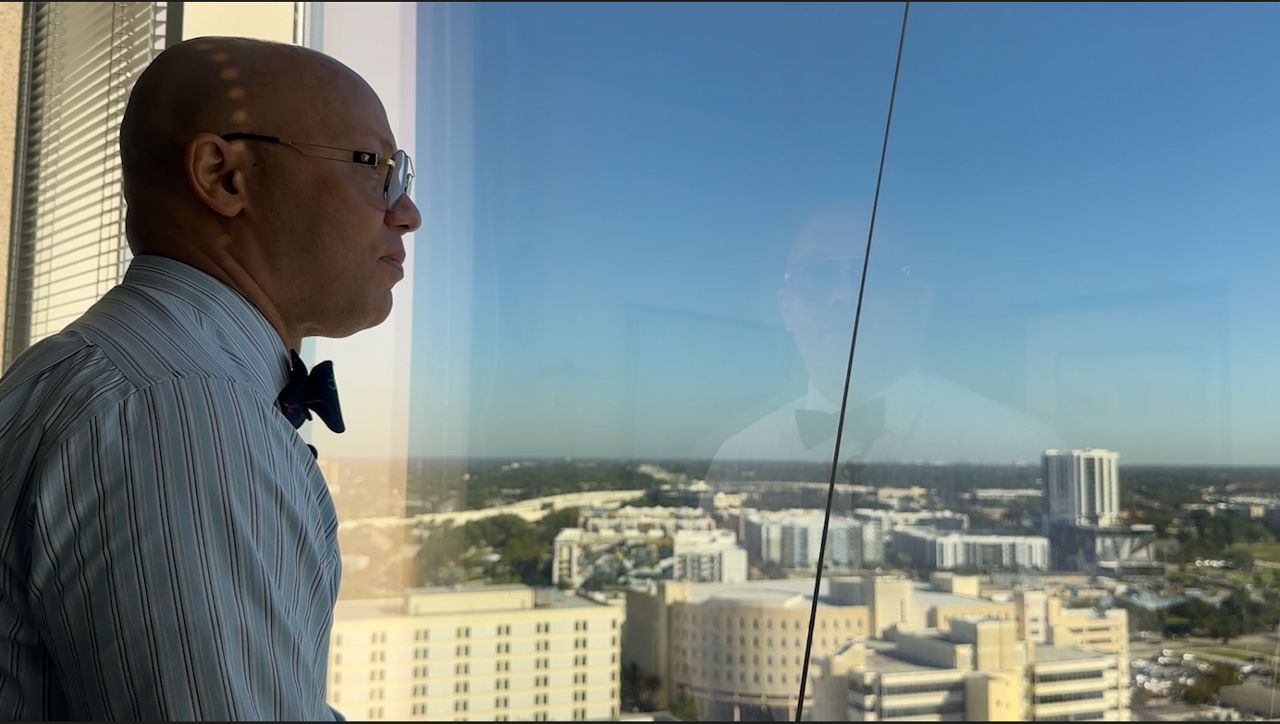
Yassert Gonzalez, Plan Hillsborough’s manager of economics, demographics and research, said the information plays a critical role in understanding how communities are changing.
“Almost anywhere in the U.S., you can get some sort of census data,” Gonzalez said.
In Hillsborough County, planners use census-based maps to identify vulnerable populations and determine where services are needed, including transportation options for residents without vehicles.
Under the proposed Census Bureau rules, U.S. citizens and lawful permanent residents, also known as green card holders, would remain included in the congressional apportionment count. Other noncitizens would be excluded.
The proposal would also redefine a person’s usual residence as the location where they lawfully spent the greatest number of days during the census enumeration period, from Jan. 3 through April 1.
Adriel I. Cepeda Derieux, deputy director of the American Civil Liberties Union’s Voting Rights Project, warned that the consequences could extend beyond those excluded from the count.
“There’s an assumption here that if you’re a U.S. citizen, these changes may not affect you. And that is just not how representation works,” Cepeda Derieux said.
He pointed to mixed-status households, where U.S. citizen children may live with parents who are not citizens. While the children would still be counted, excluding other household members could reduce the population figures used to determine their state’s representation.
“A policy that impacts one member of the household can impact everyone, including American citizens,” Cepeda Derieux said.
The debate comes as the U.S. Department of Housing and Urban Development separately reviews immigration eligibility for federal housing assistance.
In January, HUD reported that nearly 200,000 tenants required eligibility verification and that nearly 6,000 people had been identified by the agency as ineligible noncitizens.
HUD Secretary Scott Turner told Spectrum News that the agency’s priority is enforcing existing federal housing laws.
“American taxpayer money, as pertains to HUD-funded housing, is for American people and American people only,” Turner said. “And that’s my job. It’s my job to enforce the law, and that’s what I have done, and that’s what I will continue to do.”
HUD maintains that its eligibility reviews are intended to protect taxpayer dollars and ensure housing assistance reaches those who qualify.
Cepeda Derieux argues that the broader implications of the proposed changes have not been adequately examined.
“The bureau is proposing major changes without studying their consequences, so there are real concerns here as well that would clearly trickle down to federal programs like housing, like medical programs,” Cepeda Derieux said.
Research underscores the importance of accurate census data in distributing federal resources.
According to a 2023 U.S. Census Bureau report, census-derived data helped guide the distribution of more than $2.8 trillion across 353 federal assistance programs in fiscal year 2021, including programs supporting housing, health care and transportation.
A separate George Washington University study examined how federal programs rely on census-derived information to distribute funding among states and local communities.
The research highlights how inaccurate population data can affect the distribution of federal resources, although the financial impact depends on the specific program and funding formula.
“What we’re concerned about is data consistency,” said Yassert Gonzalez. “If before, the populations were included in the total, and now they’re not, then that will generate a discrepancy that may put us in a bind in looking at things, because as a county government we are taking care of the actual need not, what the census is saying.”
For Gonzalez, the concern is ensuring that decisions made in Washington reflect the population and needs of communities such as Hillsborough County.
“It is worrisome that the picture that will be in Washington, D.C. as to what’s happening on the ground will be less complete. And we are here holding the bag for the unmet demands and unmet needs,” Gonzalez said.
The Census Bureau is accepting public comments on the proposed changes through Nov. 2.