
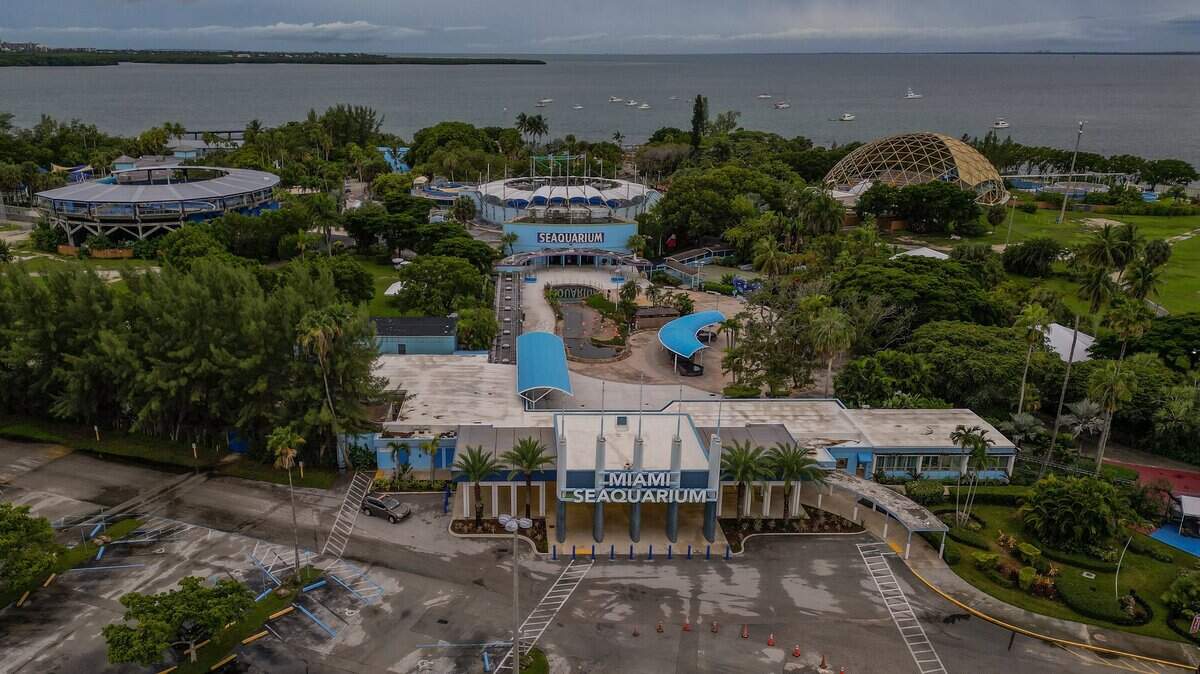
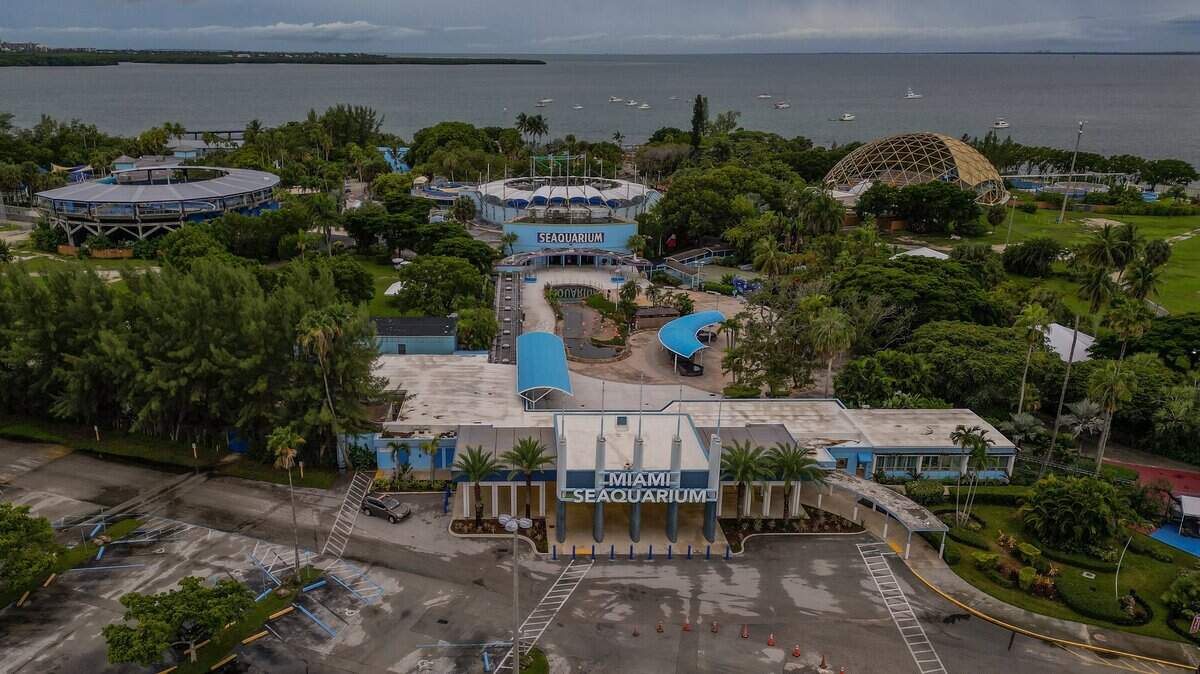
Should voters get the final say in developer David Martin’s plan to transform the abandoned Miami Seaquarium theme park into a marina and entertainment destination? A lawsuit says yes, asserting the county-owned property falls under park protections that require a referendum for what Martin is planning.
Pedro Portal
pportal@miamiherald.com
A new lawsuit demands that Miami-Dade let voters decide whether a developer can build a marina at the site of the old Miami Seaquarium theme park, arguing a referendum is required under the county charter’s protections for public lands.
The Circuit Court suit comes from two Miami-Dade lawyers with a background in environmental advocacy. The aim is to halt a looming county approval of developer David Martin’s $100 million plan to transform the abandoned waterfront theme park into a marina and entertainment spot, including a public baywalk and new piers with slips for 325 boats.
In the suit, plaintiffs Gregory Frankel and Aaron Stauber — who were both previously on the board of the Miami Waterkeepers environmental advocacy organization — cite a series of county rules they claim require voter approval for Martin’s proposal.
The county Parks system owns the Seaquarium property, and the suit claims Martin can’t get approval for his plan without voters first having their say in a countywide referendum required by the Miami-Dade County Charter for parks property.
.png "npr-brightspot.s3.amazonaws (6).png") A schematic shows the layout for the planned marina at the Seaquarium site on Virginia Key. Miami-Dade County
“The Charter says this decision belongs to the voters,” Frankel said in a press release announcing the lawsuit, which included a copy of the litigation stamped by the court as having been filed late Wednesday morning. “We are asking a court to say so, because the County will not.”
On Nov. 19, the County Commission is expected to vote on final approval for Martin’s plans, which include a 99-year lease for the Seaquarium property. The commission last year endorsed Martin’s plan in a preliminary but non-binding vote.
At the heart of the legal dispute is which parts of Martin’s sprawling development plan can be considered the “Miami Seaquarium.”
That’s a crucial question because the Seaquarium is explicitly exempted from the county charter’s protections for park property — safeguards that generally require a countywide referendum for new leases and commercial activity.
In order to retain that exemption, Martin is keeping the Seaquarium name for his planned commercial venture on the property and building a new aquarium there. His argument is the new development will just be a modernized version of the Seaquarium, which also had docks for boats, restaurants and event space.
“The plan was very carefully designed to be consistent with the property’s allowable use, and with Article 7 of the County Charter, which specifically exempts both the Seaquarium and marinas from any referendum requirements,” Martin’s Resilient Aquarium LLC said in a statement. “We are confident we will be able to move forward with transforming the site once our plans are approved by Miami-Dade County.“
The county charter’s Article 7 provisions, which generally protect parks from commercial activity, state the safeguards don’t apply to facilities for marinas, provided there is no “adverse impact to natural resources” on county lands. The suit claims the Biscayne Bay area set for construction of the Seaquarium marina runs afoul of that language.
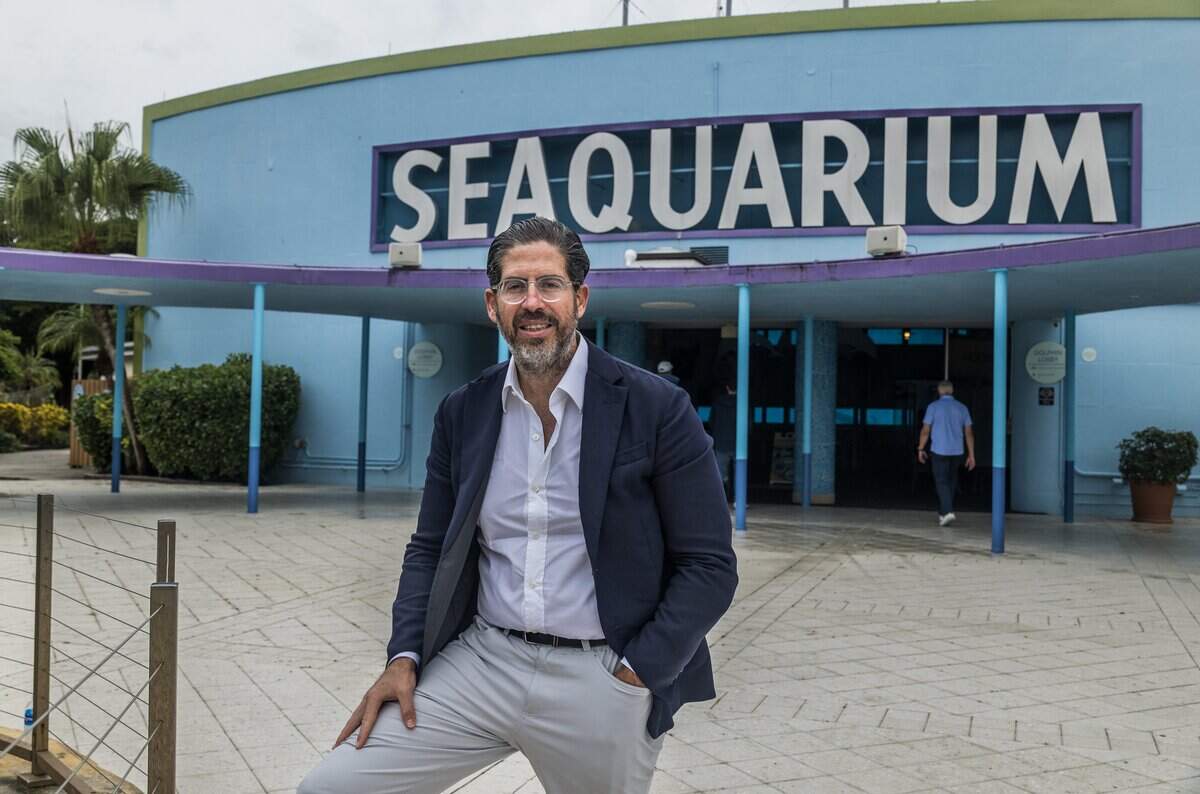 David Martin, CEO of Miami-based development firm Terra, outside the Miami Seaquarium in October 2025 as the theme park prepared to close its gates for good to the public. Martin plans to redevelop the county-owned property into a marina and entertainment destination. Pedro Portal pportal@miamiherald.com
The suit claims Miami-Dade can’t consider the underwater parts of Biscayne Bay next to the abandoned theme park as part of the Seaquarium itself. The county maintains the underwater land that would house the marina piers is part of the same piece of real estate as the upland Seaquarium property.
This story was originally published October 21, 2026 at 12:12 PM.