
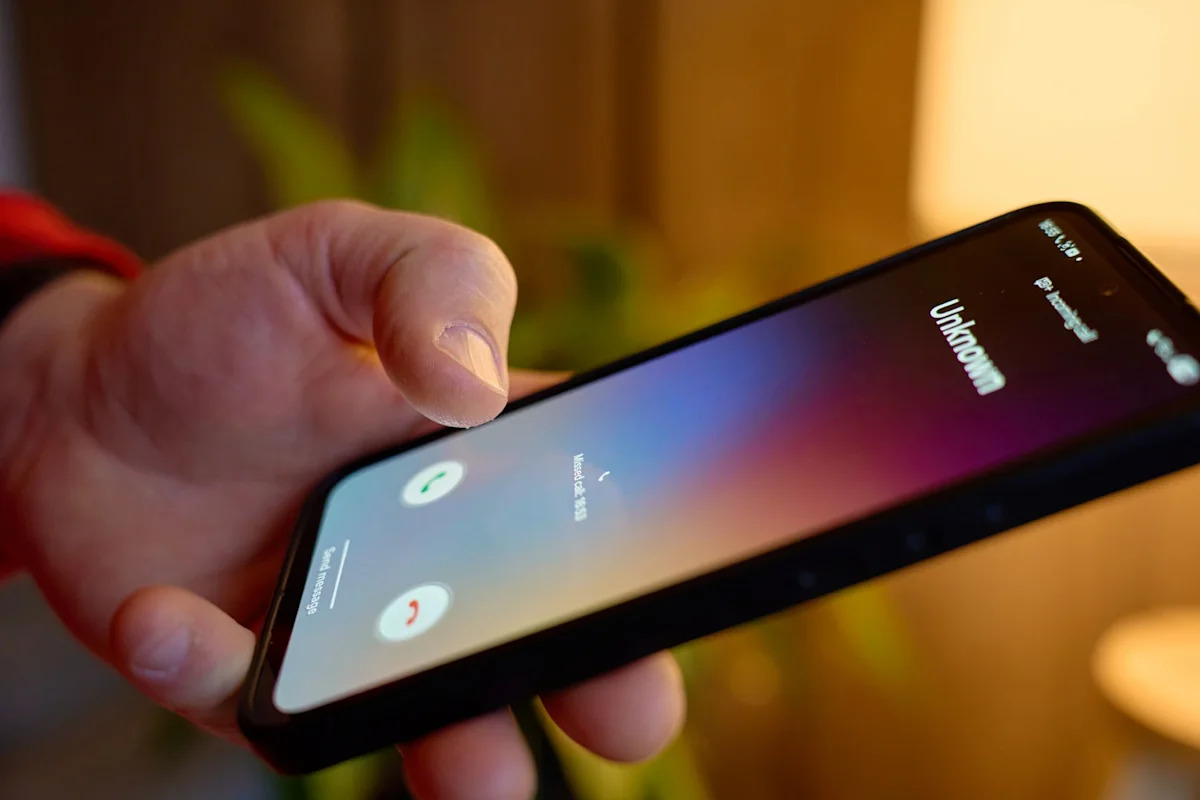
A phone call that sounds like a real sheriff’s captain is rattling Central Florida residents
Here’s what to know
As WOFL reported, the Osceola County Sheriff’s Office said scammers are using artificial intelligence to clone deputies’ voices and pressure people into sending money.
In one version of the scam, callers tell targets they missed jury duty or have an active warrant, then demand payment in cryptocurrency to make the problem disappear.
The sheriff’s office says at least 40 Osceola County residents have received calls from someone claiming to be a county deputy.
Sheriff Chris Blackmon said the impostors pretend to be deputies and use fear to get residents to hand over money.
Blackmon said one voicemail the office reviewed involved a caller claiming to be Captain Steve Moser.
Officials have not identified any victim who actually paid, according to WOFL.
More background
The imitation may not stop at borrowing a deputy’s name.
“It’s his voice, his face,” Blackmon said of the phony message impersonating Captain Steve Moser. “If you go look it up, you say, it could be him talking, but the entire thing’s AI.”
Voice cloning leveraging a real deputy’s public identity can blur the usual warning signs and make a fraud attempt feel more believable.
Highly believable scams are not the only problem rising alongside the AI boom. Artificial intelligence has sincere potential in applications like helping utilities balance grid demand.
On the other hand, the data centers that power them can strain the same grid, tax local water supplies, and increase pollution when they run on fossil fuels. The technology also makes cybercrime far easier to scale.
What can be done?
Residents, Blackmon warned, should treat any caller who claims to be law enforcement and asks for money as a red flag.
“We’ve heard the swindlers call for jury duty, for warrants for your arrest,” Blackmon added, describing the stories callers use to pressure residents.
Instead of arguing with the caller or following payment directions, the sheriff’s office told people to just hang up.
Anyone who wants to check whether the claim is legitimate should use the contact information on the sheriff’s office’s official website, not any number supplied by the caller, WOFL noted.
Investigators are still looking into the scam, though the technology involved could make the people behind the calls difficult to identify.
Blackmon’s advice cut through the scam entirely, offering locals a useful way to stay safe.
“We will never ask you for your money, we’ll never ask you to move it to crypto for sure,” he stated.
Get TCD’s free newsletters for easy tips, smart advice, and a chance to earn $5,000 toward home upgrades. To see more stories like this one, change your Google preferences here.