
As Miami-Dade leaders seek a new trash incinerator site, the County Commissioner whose district housed the old one wants flexibility in how the coming one’s ash is managed or reused.
A resolution by Commissioner Juan Carlos “J.C.” Bermudez would ask the state Legislature and Department of Environmental Protection (DEP) to make it easier to recycle ash produced by waste-to-energy facilities, like the one in Miami-Dade that burned down in 2023.
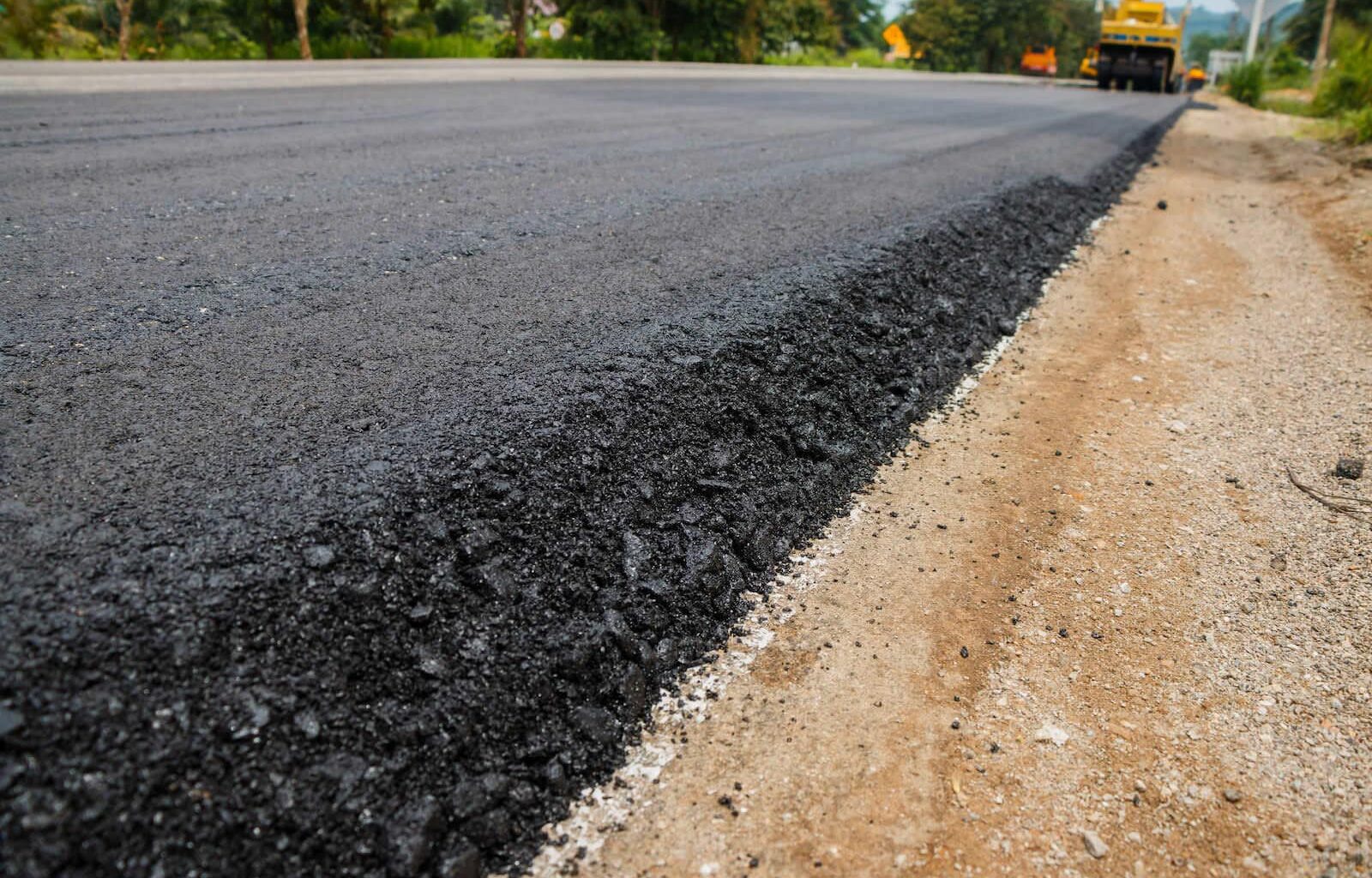
The measure, scheduled for a full and final vote at the Commission’s Nov. 18 meeting, calls for state lawmakers to revise Florida Statutes to “facilitate safe reuse of incinerator ash.” It also requests DEP guidance on such uses, which could include blending the ash with cement and asphalt.
Bermudez — the immediate past Mayor of Doral, where the old incinerator once stood — told Florida Politics that under the current arrangement, the ash the facility produced has just piled up in a landfill to create “a fake mountain” in the city.
He sees it as both an eyesore and a wasted opportunity.
“What if we could use that, sell it and make a little money back, which would help us with the finances of building a new facility, which would be rather costly,” he said.
“Other countries are doing it. So are other states, to a certain extent.”
There’s research to support Bermudez’s proposal.
A University of Florida study, published in 2018, found that properly processed ash from waste-to-energy facilities could be blended into hot-mix asphalt pavement and some concrete mixes at modest replacement levels while still meeting minimum specifications.
However, researchers found that performance typically didn’t match virgin-only mixes, and the team recommended larger-scale field trials in Florida and routine pre-treatment and processing to control variability and durability issues.
Another peer-reviewed study published in 2021 found, among other things, that after beneficiation — removing aluminum and zinc residues to below specific levels to avoid expansion issues — the ash performed well in concrete.
There are several potential benefits to using solid waste incinerator ash in construction materials. It would reduce the volume of current landfills, and its inclusion in cement mixes could cut carbon emissions that would otherwise result from processing virgin cement aggregate.
Some research has even shown that modest ash replacement levels can maintain or even improve concrete durability.
There are some challenges, however. The ash’s composition can vary widely depending on the material burned and incineration technology used, which could make the development of a uniform process difficult. It can also contain heavy metals, chlorides, sulfates and unburnt organics, which can leach or cause durability issues in the blended material.
Making the ash suitable for construction use often requires costly pre-treatment and careful control of replacement levels, since higher substitution can weaken concrete or asphalt performance. And the long-term consistency of that material remains uncertain, which may be why strict regulatory standards — like those in Florida — limit large-scale adoption until more data is available.
In several European countries — including Belgium, Denmark, Germany and the Netherlands — bottom ash from waste incinerators is actively used in road base and fill applications. Stateside, the Federal Highway Administration has noted that “neither federal nor most state regulations categorically restrict” solid waste ash use in roadway materials as long as the ash is tested and shown to be nonhazardous. But the presence of trace metals like lead and cadmium in the ash in some ash, along with dioxins and furans, “has led to many regulatory agencies to take a cautious approach in approving” its use as a substitute aggregate material.
Bermudez’s proposal may remind some of the so-called “radioactive roads” legislation Gov. Ron DeSantis signed in June 2023 to study using the byproduct of phosphate mining in road materials. Florida produces about 30 million tons yearly of the byproduct, phosphogypsum, which has been approved for road use under President Donald Trump. Environmental groups in Florida have since sued to stop paving projects that include the material.
Bermudez said his proposal, while substantively similar to the 2023 state measure, should be far less controversial.
“This isn’t anywhere near what the phosphate would be,” he said.