
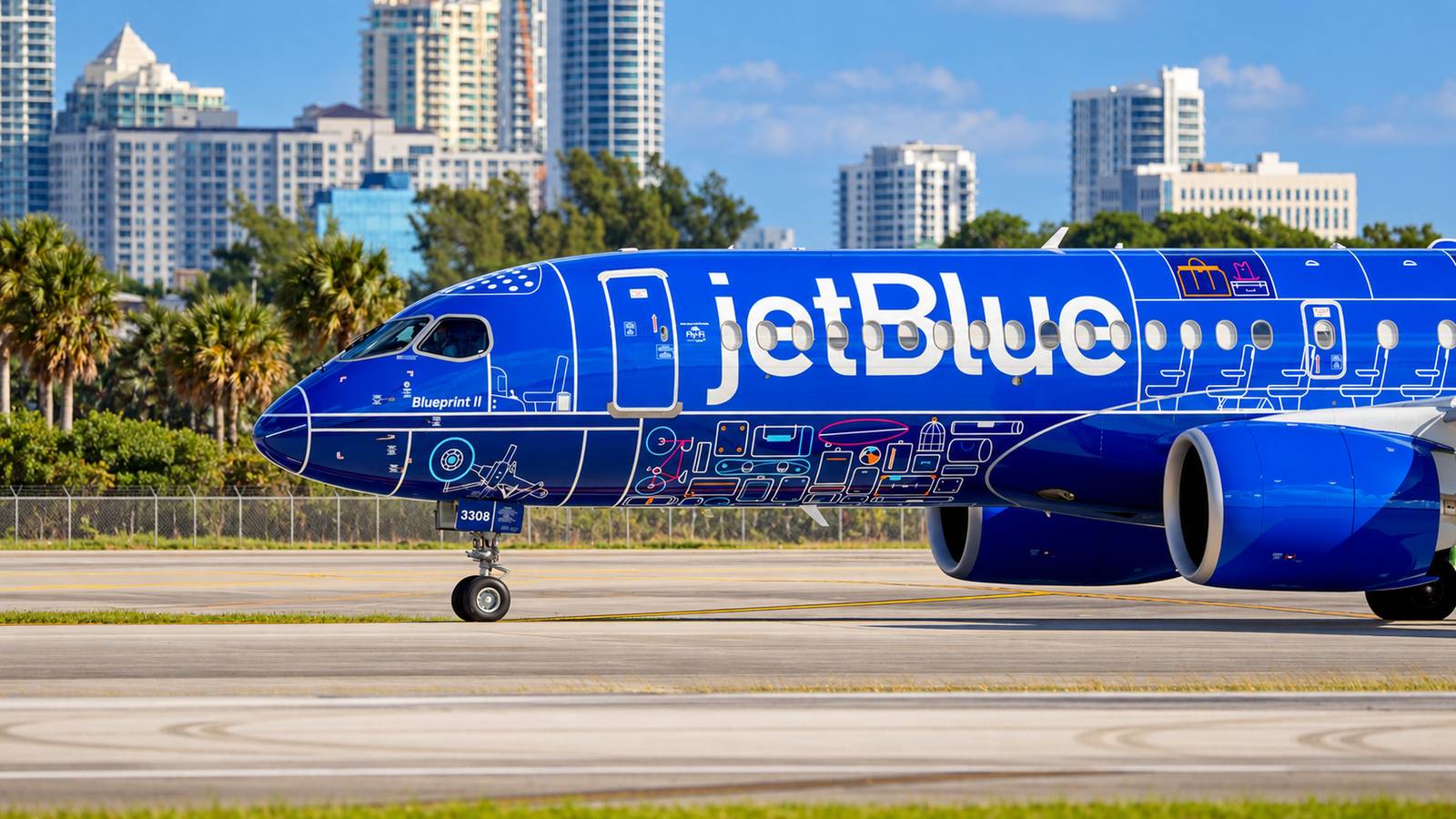
JetBlue has withdrawn four international destinations during 2026, ending flights to Antigua, Belize City, Bonaire and Tulum. All four destinations were previously served from  New York JFK Airport (JFK). The cancellations affect routes launched as recently as 2024, as well as one that had operated for more than a decade. The changes form part of a wider network restructuring as the airline works to improve profitability.
However, JetBlue is not abandoning international expansion. The carrier has introduced four new overseas destinations this year, including two in Europe and two in Colombia. Meanwhile, its growing emphasis on South Florida has produced a significant milestone:  Fort Lauderdale-Hollywood International Airport (FLL) has overtaken JFK to become JetBlue’s busiest airport.
Four International Destinations Lose JetBlue Service
Credit: Sandi Smolker | Shutterstock
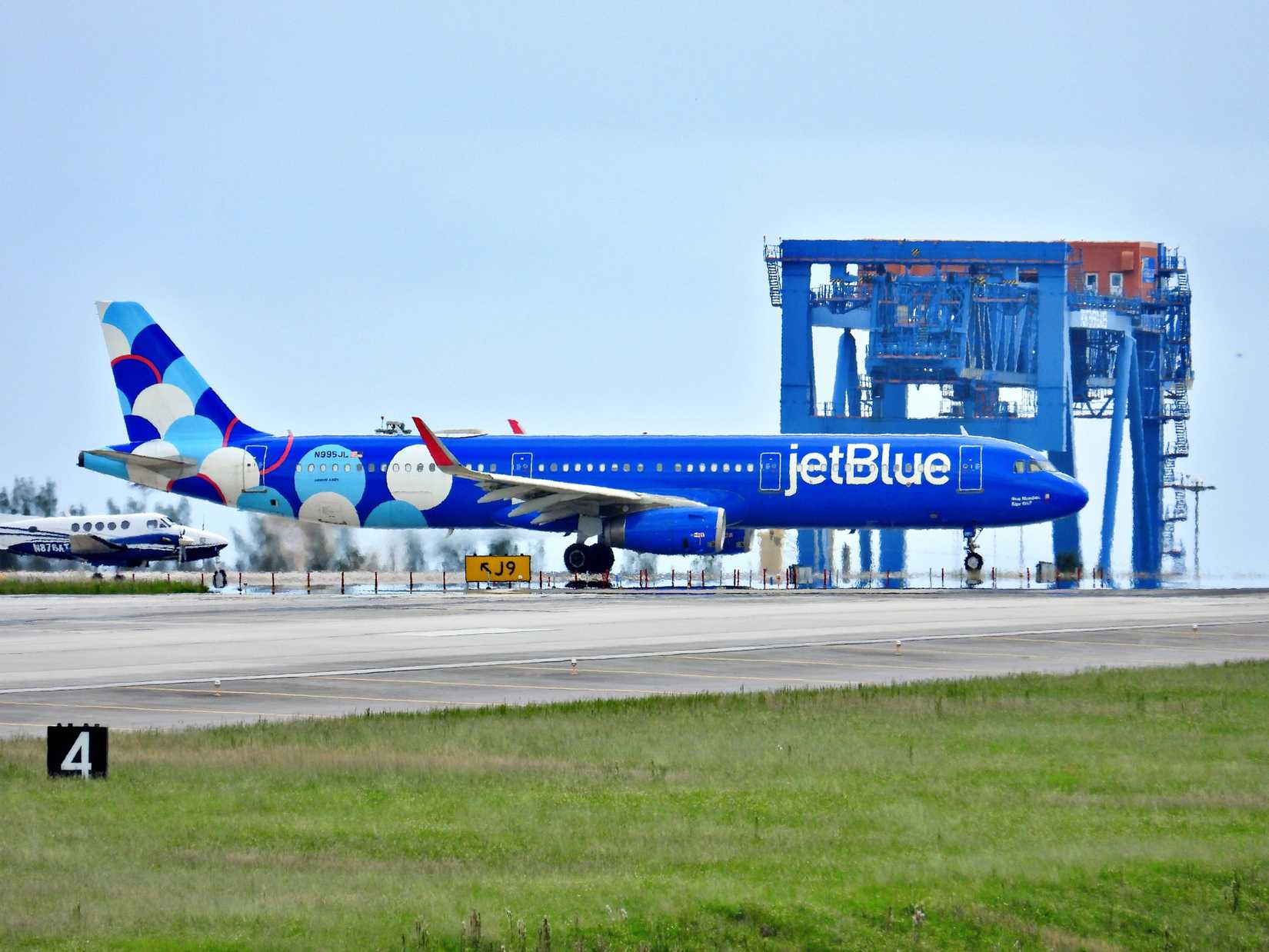
JetBlue’s international withdrawals have been spread throughout 2026, beginning with Bonaire in January, with the carrier exiting little more than a year after launching the route. This was followed by Tulum in March, Belize City in May and Antigua in September. All four destinations were served exclusively from JFK, although their histories and passenger performance differed considerably.
Destination
Last Service
First Served
Annual Passengers
Load Factor
Bonaire (BON)
Jan 2026
2024
15,532
62.7%
Tulum (TQO)
Mar 2026
2024
29,104
68.1%
Belize City (BZE)
May 2026
2023
29,844
78.7%
Antigua (ANU)
Sep 2026
2015
57,672
82.5%
Annual passengers and load factors are for the 12 months ending with each route’s final month.
The figures reveal substantial differences in performance. Bonaire recorded the lowest load factor at 62.7%, followed by Tulum at 68.1%, suggesting difficulties filling available seats. However, Antigua achieved 82.5%, carrying 57,672 passengers during its final 12 months. Its cancellation after 11 years demonstrates that relatively strong passenger loads do not necessarily guarantee a route’s survival. Profitability also depends on fares, costs and aircraft utilization.
The reductions form part of the airline’s wider JetForward transformation strategy, which emphasizes redeployment of capacity rather than preserving every existing destination as the airline seeks to return to profitability. Much of that redeployment is being directed toward Fort Lauderdale, where it is achieving the best financial returns across its network (see more below). In a statement reported by Aviation Week, the airline explained its reasoning:
“To enable our considerable expansion there, we are ending service on several underperforming routes in other parts of our network, freeing up aircraft availability for our new Fort Lauderdale flights.”
JetBlue Continues Expanding Its International Network Elsewhere
Credit: Felix Mizioznikov | Shutterstock
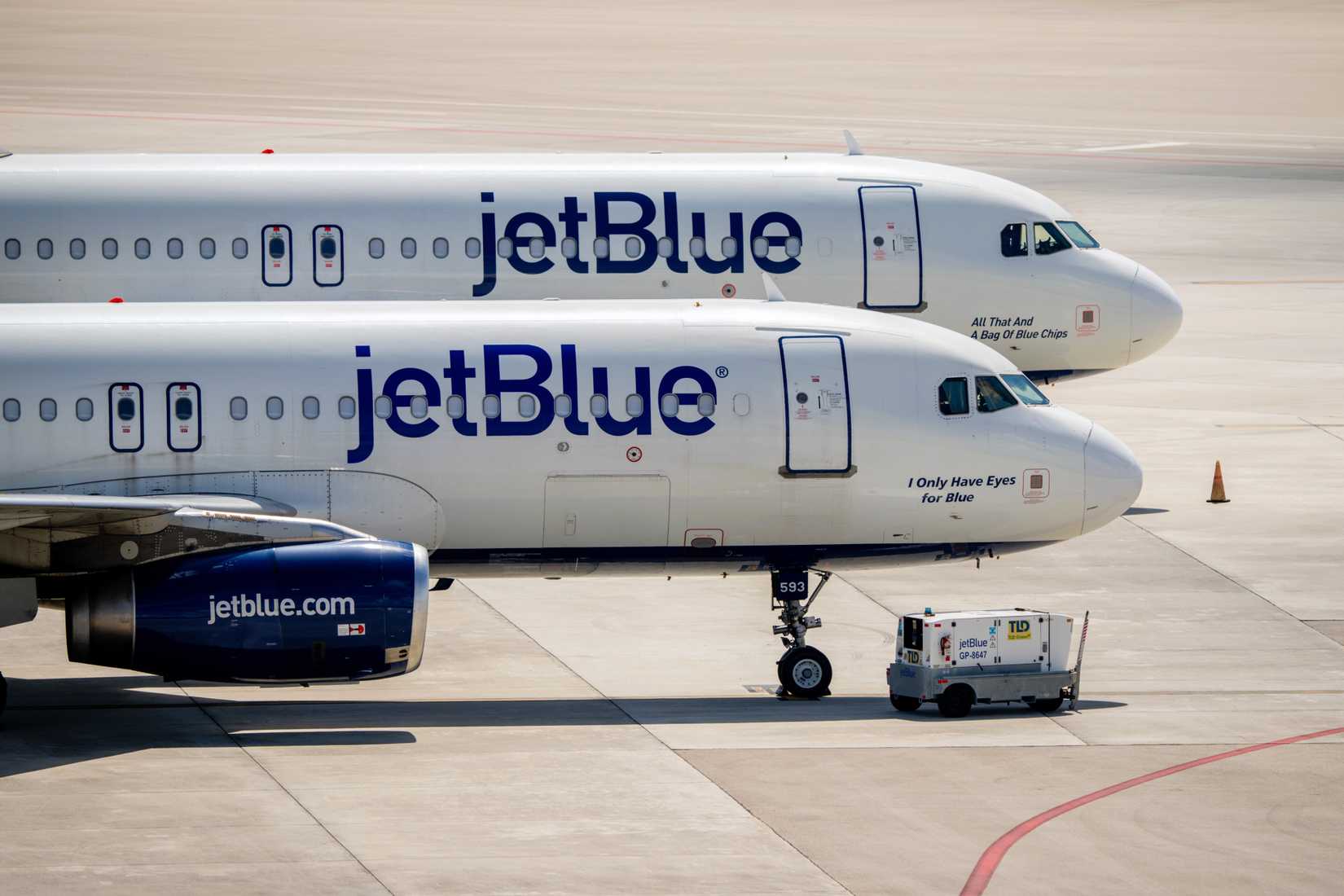
Despite these withdrawals, JetBlue maintains an extensive international network spanning Europe, Canada, Mexico, Central America, South America and the Caribbean. International flying remains central to the airline’s strategy, with Latin America and the Caribbean accounting for more than a third of its overall capacity.
JetBlue has also added four international destinations during 2026, demonstrating its willingness to enter new markets, even while withdrawing from others. Its European expansion has been concentrated at  Boston Logan International Airport (BOS), where Barcelona joined the network in April, followed by Milan Malpensa in May. Both routes operated seasonally using Airbus A321LR aircraft equipped with the airline’s Mint premium cabin. Milan also represented JetBlue’s first destination in Italy.
New Destination
Route
Launch Date
Barcelona (BCN)
Boston–Barcelona
April 16, 2026
Milan Malpensa (MXP)
Boston–Milan
May 11, 2026
Barranquilla (BAQ)
Fort Lauderdale–Barranquilla
October 1, 2026
Cali (CLO)
Fort Lauderdale–Cali
October 15, 2026
The other two additions are in Colombia, where Barranquilla joined JetBlue’s network on October 1, followed by Cali on October 15. Both receive daily Airbus A320 flights from Fort Lauderdale, joining existing Colombian destinations Medellín and Cartagena. The additions illustrate JetBlue’s growing emphasis on connecting South Florida with Latin America, particularly markets with strong demand from travelers visiting friends and relatives.
Related
JetBlue Tightens Grip As The New No. 1 Airline At Fort Lauderdale
JetBlue’s latest growth spurt cements its rise as Fort Lauderdale’s new number one airline.
Fort Lauderdale Overtakes JFK As JetBlue’s Busiest Airport
Credit: Felix Mizioznikov | Shutterstock
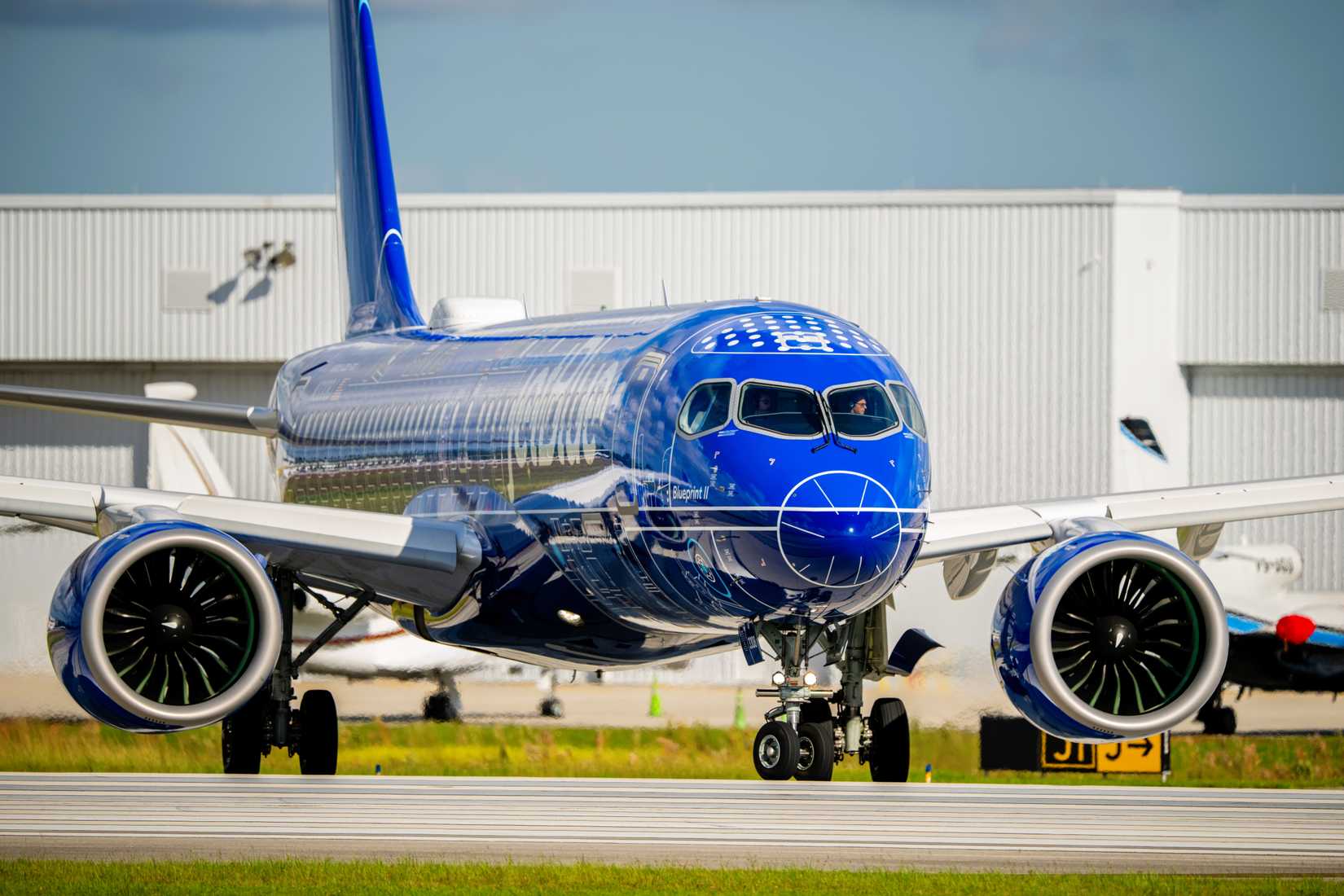
Perhaps the most striking consequence of JetBlue’s changing network is that Fort Lauderdale has overtaken JFK as its busiest airport by scheduled departures. The airline has an average of 133 daily departures at FLL in its current winter schedule, pipping JFK at 127, and says it expects to surpass 150 daily departures in the coming months.
Airport
Average Daily Departures
Fort Lauderdale (FLL)
133
New York JFK (JFK)
127
Boston (BOS)
119
Orlando (MCO)
59
San Juan (SJU)
38
JetBlue’s South Florida expansion accelerated following Spirit Airlines’ collapse, which created opportunities to capture additional demand. But the airline’s October financial results provide further evidence of FLL’s success. In Q3 2026, revenue per available seat mile (RASM) increased nearly 15% despite capacity expanding by more than 65%. Management also expects its FLL seat share to reach 37% in Q4, up 14 percentage points and all this is driving increased ancillary revenue, with co-branded credit card acquisitions in the region up 55%.
It’s a rare bright spot for an airline that has been struggling financially in recent years, and explains the shifting aircraft deployments and the resulting cancellation of some routes. While JFK and Boston will remain fundamental to the carrier’s operations, particularly its transatlantic network, it is clear that if JetBlue is to return to its former glory, it will be on the back of continued profitable growth in South Florida.