
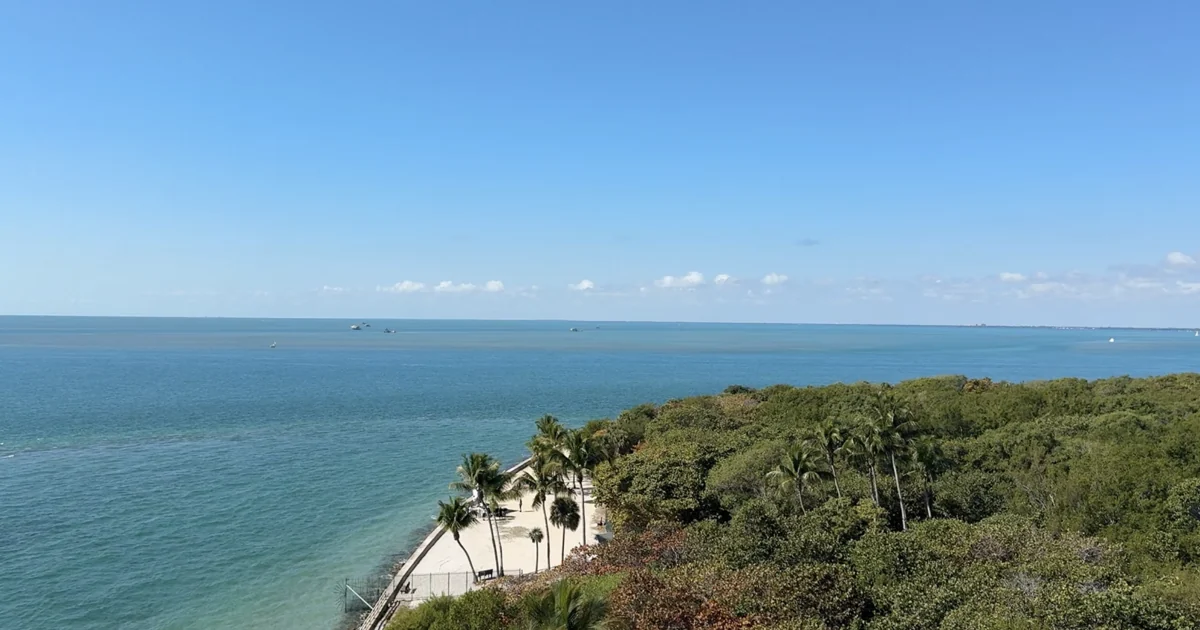
The Matheson heirs’ development decisions appear to have balanced preservation of Key Biscayne’s natural and recreational character with controlled residential growth.
In 1940, before selling the island’s central lands, the family conveyed the northern lands that became Crandon Park to Dade County, preserving a substantial area for public recreation and protecting it from private development.
Beginning in 1950, the heirs sold central lands to developers, including the Mackle brothers, who purchased 220 acres in 1950 and another 180 adjoining acres in 1951, creating Biscayne Key Estates and many early single-family neighborhoods.
Preserving Crandon Park, while developing the central lands, established a balance of public open space, recreation and residential living that continues to define Key Biscayne and represents a legacy worth respecting as we consider projects that could affect the island’s finances, surroundings and quality of life.
Residents are increasingly being asked to support rapidly introduced proposals for structural changes, some involving municipal action and others involving private initiatives with municipal participation. Many proposals have caught residents by surprise. Key Biscayne’s foliage, greenery, light-filled neighborhoods and public spaces help create a welcoming atmosphere and a small-town feel.
A proposal’s importance does not remove the need to examine its assumptions, compare alternatives, and consider its lasting consequences, with community character central to that evaluation. The question is not whether Key Biscayne should reject new ideas or postpone necessary improvements indefinitely but how best to address legitimate needs at a prudent pace, guided by evidence and meaningful public review. Major projects should be evaluated both for the problems they seek to solve and for the financial obligations and changes they may create.
To ensure that evaluation occurs, we should have safeguards ensuring that consequential commitments by elected officials receive careful consideration, as their effects often last well beyond those members’ terms. Residents deserve a clear explanation of the problems a proposed project would address, the evidence supporting its anticipated benefits and the alternatives considered. They should also understand the risks of cost overruns, proposed funding sources, and its potential impact on other priorities. Environmental impacts, landscaping changes, access disruptions, and construction effects should be explained alongside the consequences of such commitments, which should not be rushed to judgment.
Some of our most consequential choices become clear only in hindsight, but the greatest harm can come when we recognize warning signs and dismiss them. For example, the village’s recent multimillion-dollar stormwater proposal, undertaken at a rapid rate before environmental concerns came to light, underscores the need to scrutinize major financial commitments with caution.
Voting YES on Referendum #284 on Nov. 3 supports stronger financial oversight and can help reduce the risk of costly mistakes. Placed on the ballot through a citizen petition process, the referendum is a matter of public accountability, not partisan politics. Its safeguards can help protect the village’s financial stability, prepare it for unexpected setbacks, and pursue future goals consistent with the community’s original vision.
Jordan Stiles