
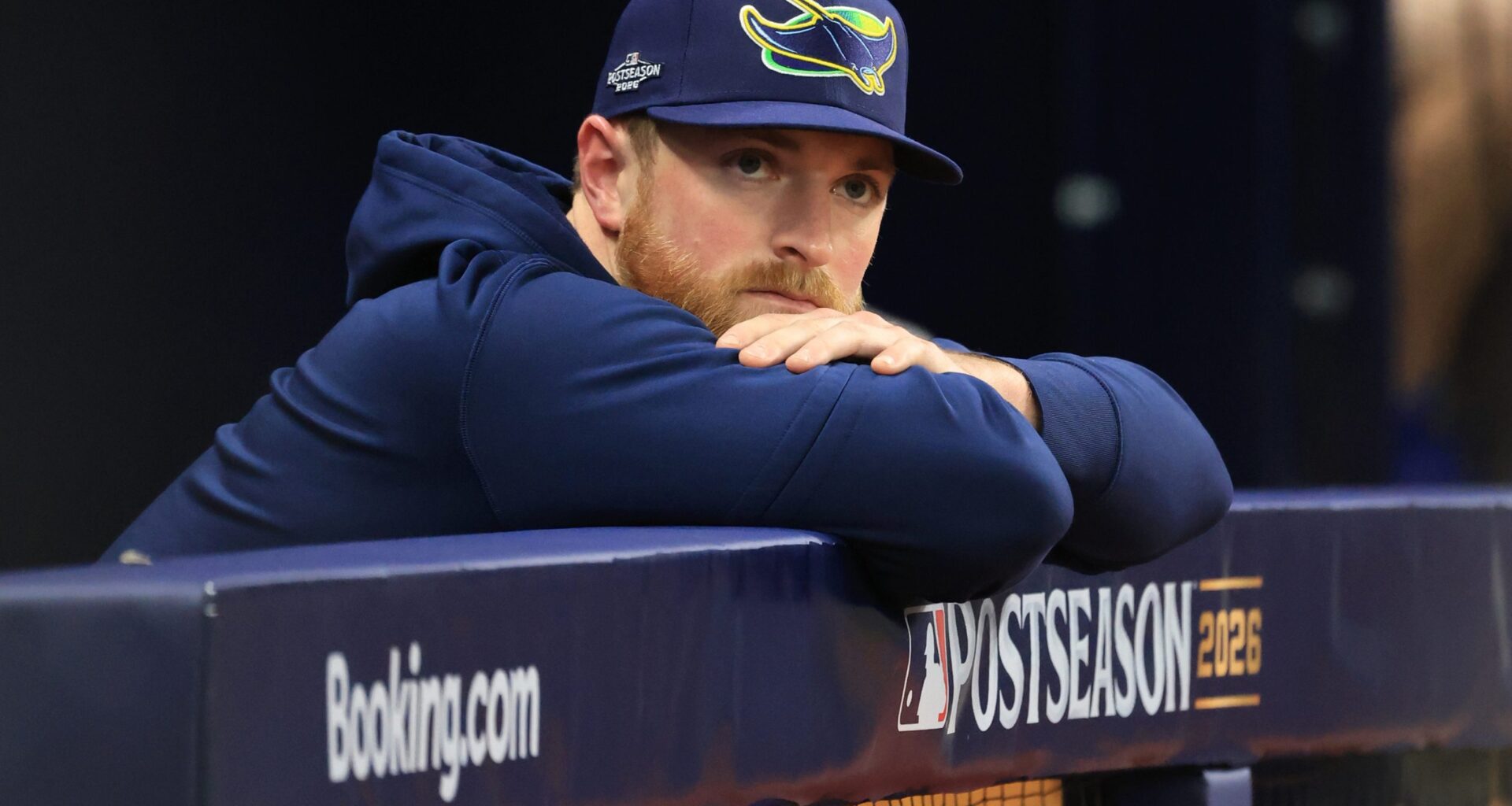
Image credit: IMAGN IMAGES via Reuters Connect
I must confess that I don’t always follow the rules of the road. Specifically, I tend to treat speed limits as suggestions. On a 65–mph highway, I might push my speedometer to 75 or 80 with the flow of traffic. I know, I know; I’m a scourge to civilized society. I’ve been doing this for years, and haven’t faced any consequences. Sometimes, I’ll even drive right past a police car going 8-10 mph above the limit on the interstate and see no flashing lights nor hear any sirens. It would seem that some rules are rigid, but others have some wiggle room.
Baseball has a lot of official rules, too, but nearly as many that are unwritten. That includes the old-school etiquette of not stealing bases while winning by too many runs, or not showing up the opposing pitcher too much after a homer. The sabermetric movement, of which Baseball Prospectus has been a huge driver, questions all supposed baseball truths as a fundamental tenet, but along the way, we inadvertently established our own unwritten rules: Pitchers should strike out as many batters as possible. Batting averages are meaningless except as a component of on-base percentage. Bunts and intentional walks are strictly prohibited. Is smart baseball about mashing homers and striking out the side all the time, or is it about finding competitive edges and taking advantage of them, whatever they may be?
Much has been made of the small-ball World Series and whether or not that’s a sustainable model for success. The Rays and Brewers combined for only four home runs in the entire Fall Classic, which was the fewest since 1985. Pundits and announcers gleefully declared the death of the analytics era, and that the hit-and-run oppo single shall reign supreme once more. As Rob Mains explained, that’s the wrong takeaway, and more of an outlier than a trend. Building on that, I believe both teams excelled by making their players the best versions of themselves, even if it goes against modern trends. Jarrett Seidler said essentially the same thing about Milwaukee in his front office rankings. “I don’t think it’s so much that they’re zagging against pulled fly balls—this is the team that spent a first-round draft pick last year on Andrew Fischer—but that they are perfectly willing to maximize skill sets which just aren’t going to include that.”
Exceptions to the Rules
The Rays showed us that every rule has an exception—just like sticking to a strict 65-mph speed limit can sometimes be dangerous if all the other cars are doing 80. Yes, it’s generally beneficial to maximize pulled fly balls, which is how Johnny DeLuca popped a .429 slugging percentage with Statcast sliders that are bluer than tomorrow’s Congressional midterms will be, but it would be the wrong approach for getting the most out of Chandler Simpson. Yes, the third-time-through-the-order penalty is real, but you can still let an ace stay in if he’s dealing, as Drew Rasmussen did when he faced 71 batters in three starts against the Yankees and Guardians. (I wonder what Blake Snell thought of that.) Yes, changeups are intended to work best against opposite-side hitters, but if they can get outs against same-side opponents, go for it.