
 MIAMI —
Scientists in South Florida are working to save the region’s only living coral reef from extinction as record-breaking ocean temperatures, fueled by El Niño, pose a significant threat to marine ecosystems.
“We’re seeing ocean temperatures far exceed the historical norms,” Dalton Hesley, senior research associate at the University of Miami’s Coral Restoration Lab, said.
Xavier Matos
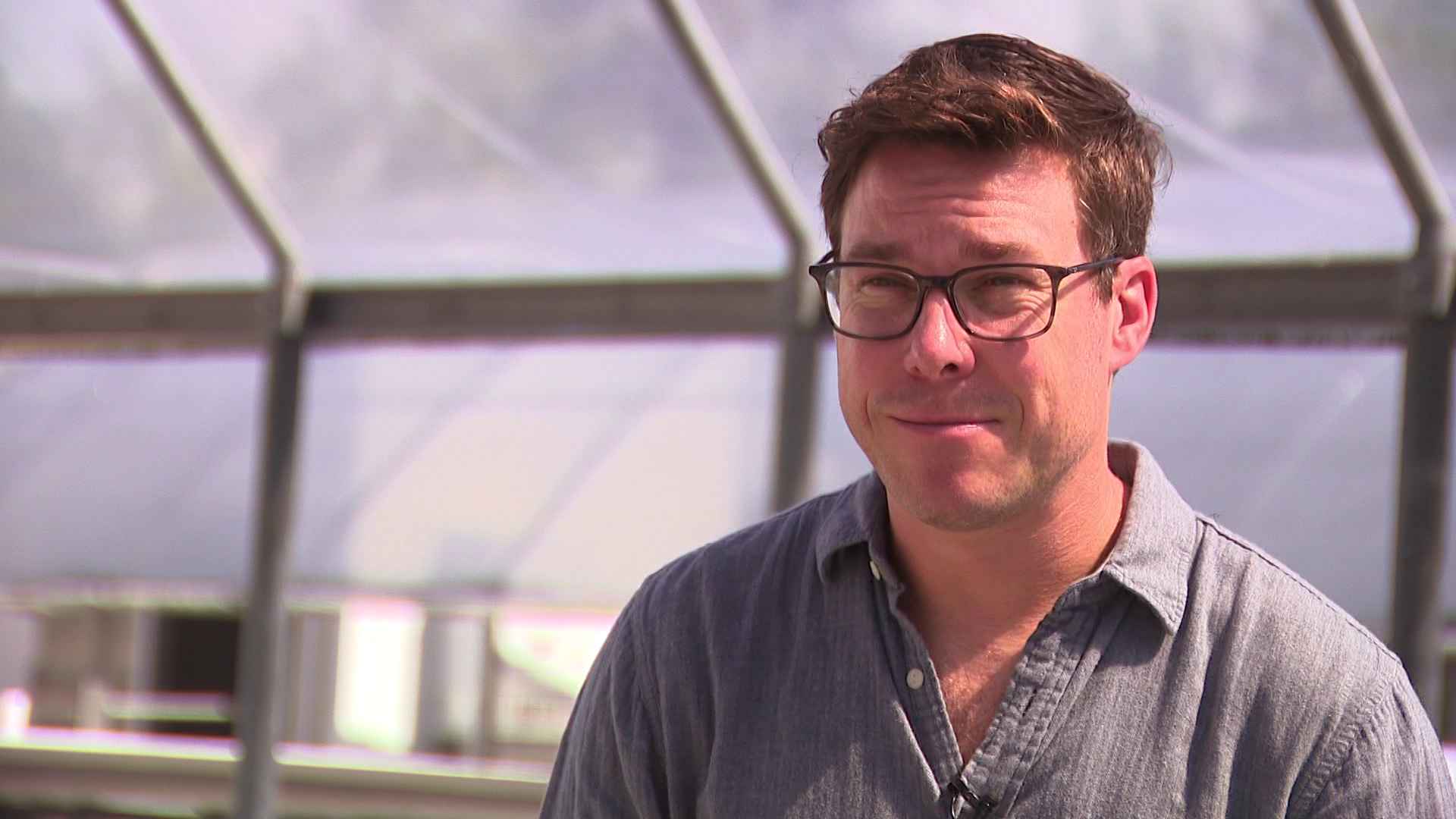
Dalton Hesley
The warming waters are endangering coral reefs, which play a critical role in protecting coastlines, supporting fisheries and tourism, and reducing storm wave energy. “Truthfully, it’s pretty dire,” Hesley said.
University of Miami Rosenstiel School
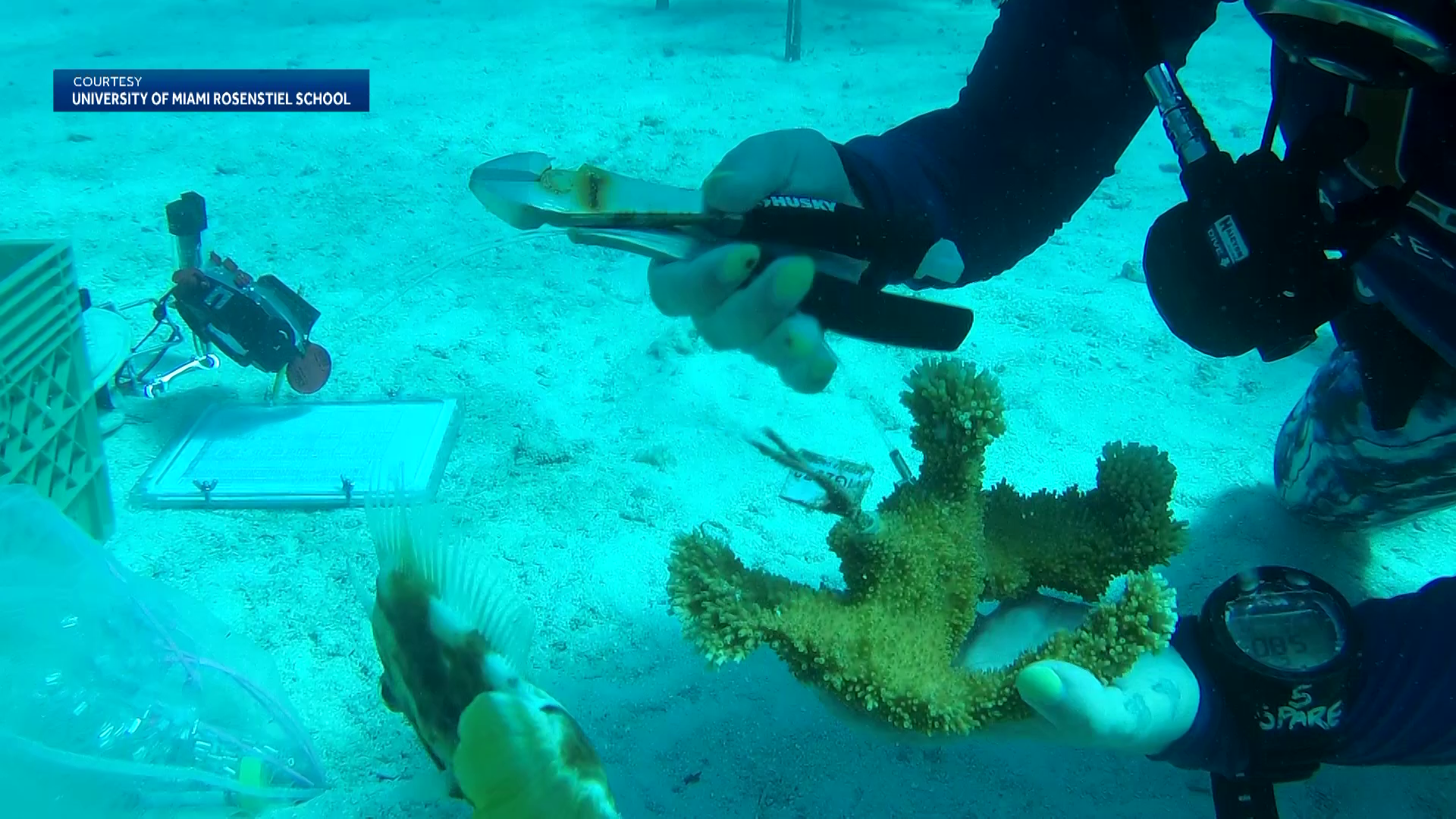
Coral rescue dive
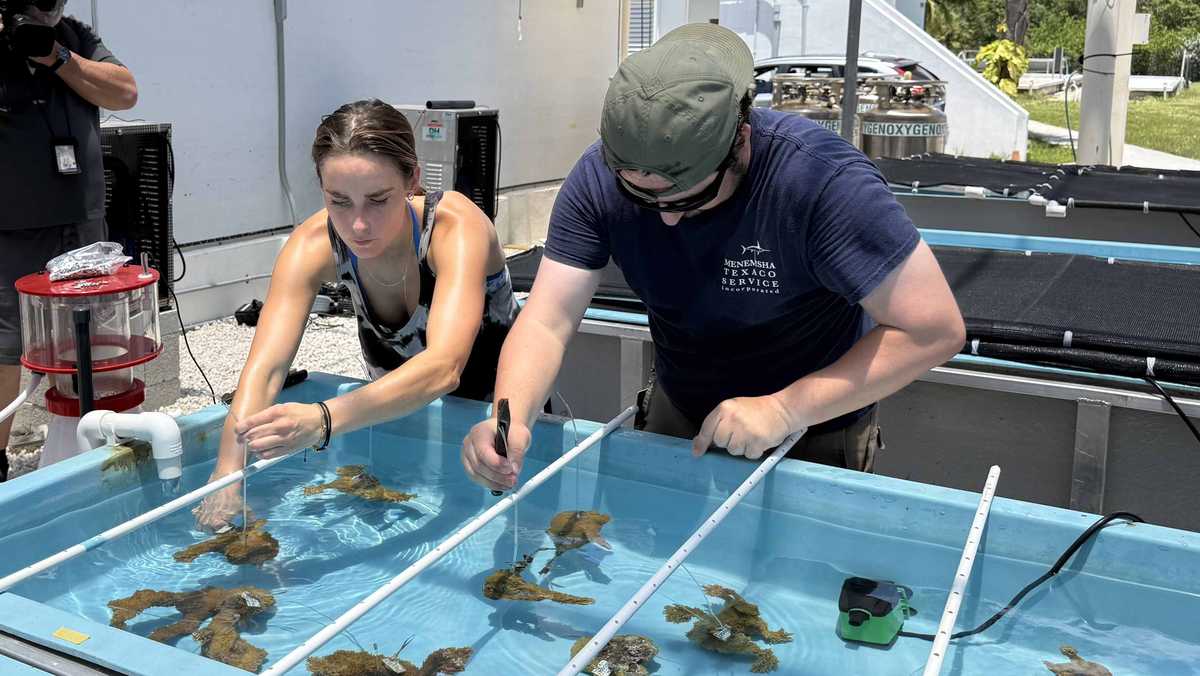
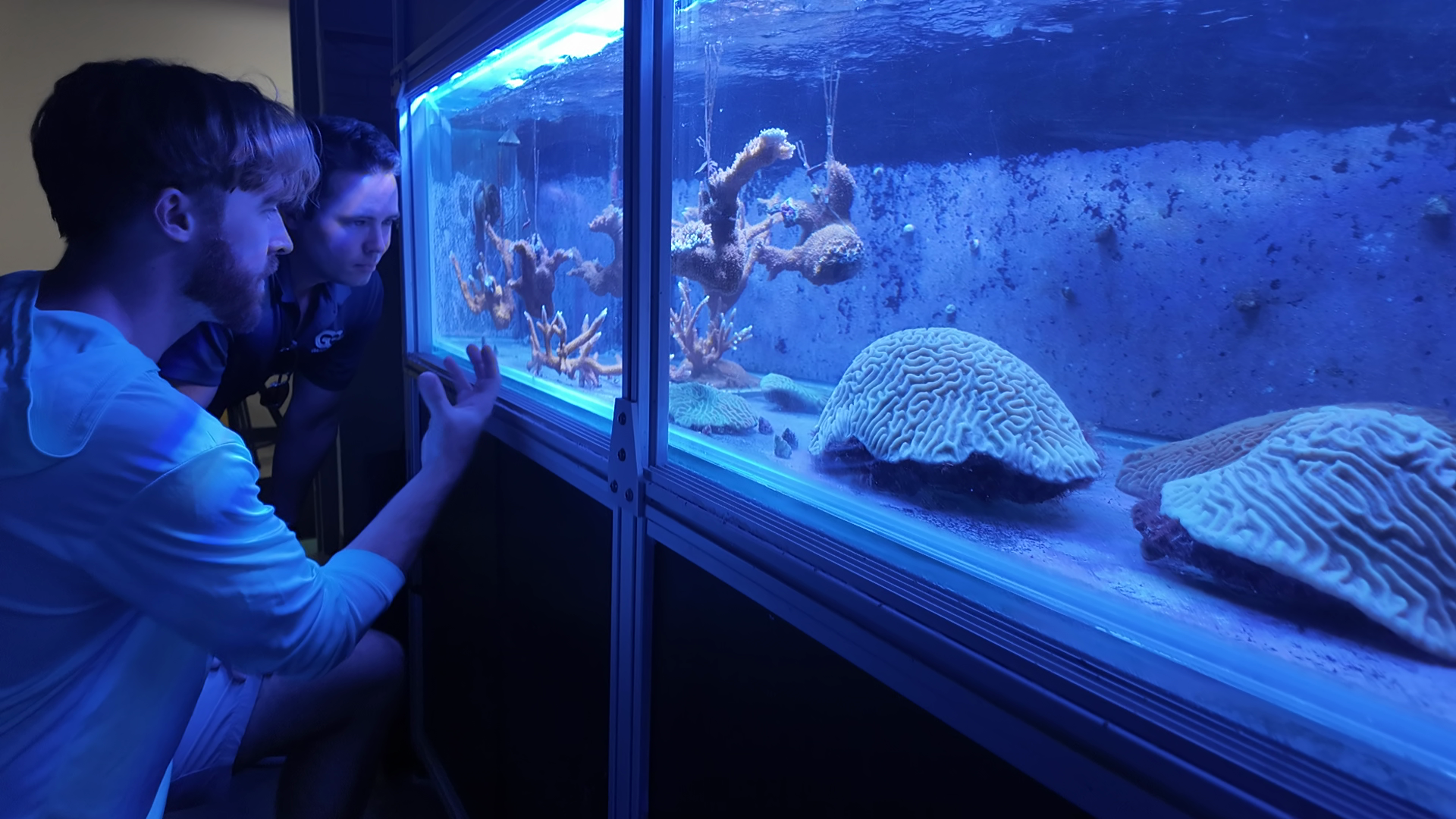
Coral pulled from the ocean earlier this year is now being grown in land-based tanks on Virginia Key. The water in these tanks is kept between 74 and 85 degrees to replicate normal ocean conditions.
“Our warming oceans are the biggest threat facing corals,” Hesley said. “We took pretty dramatic measures to go out into our offshore underwater coral nurseries and collect essentially individual colonies of the most critical species.”
According to NOAA, Florida Keys reefs have lost nearly 90% of their live corals over the last 40 years. Hesley explained that corals are highly sensitive to temperature changes.
LEARN ABOUT CORAL BLEACHING IN THE VIDEO BELOW
“They’ve adapted to really thrive in certain temperatures, but we’re seeing them consistently breach that threshold where it overwhelms the corals, causing coral bleaching and, in a lot of cases, mortality,” Hesley said.
This year’s El Niño is contributing to rising ocean temperatures worldwide.
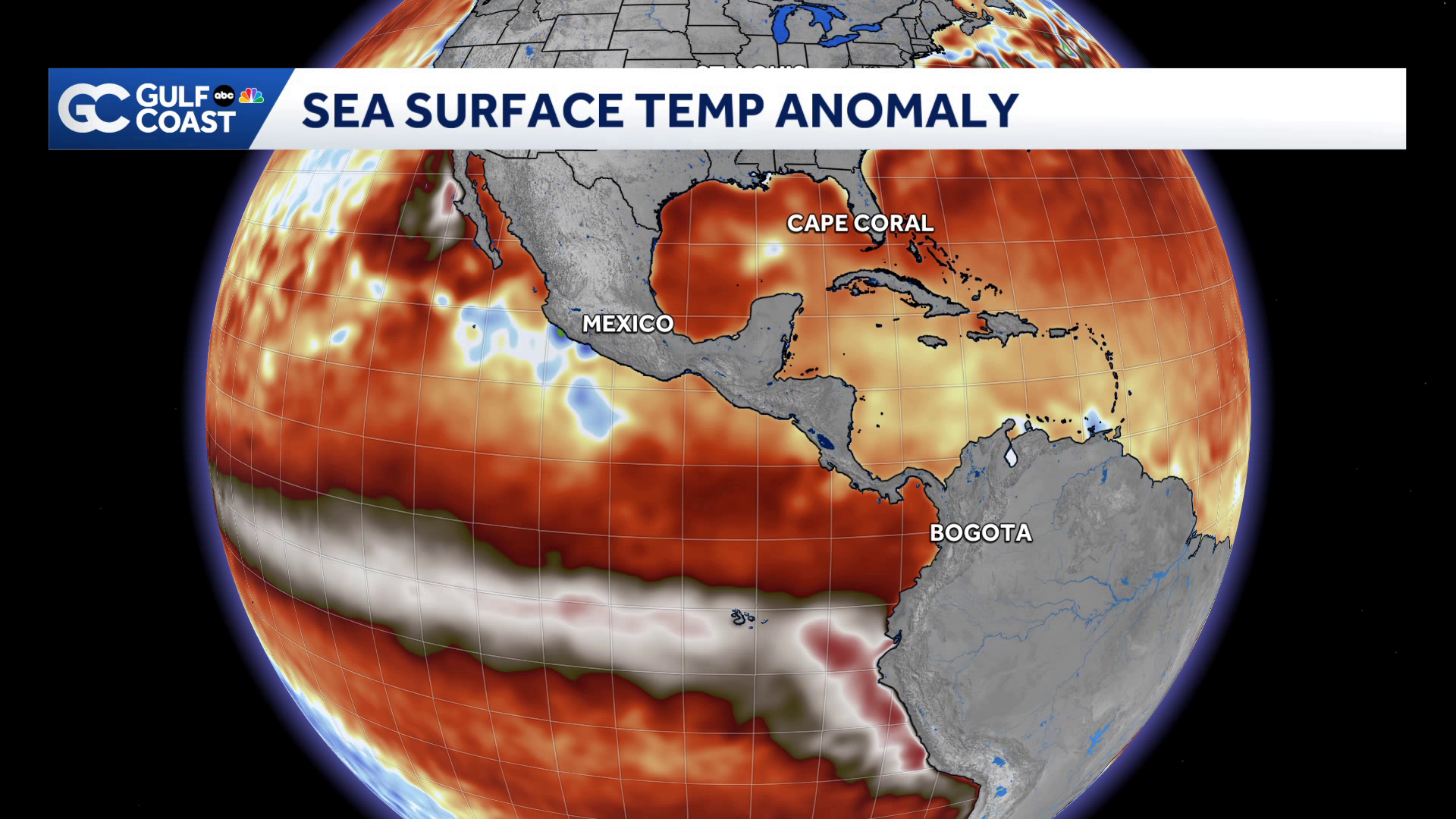
“This El Niño event is going to break records,” Hesley said. “And so we’re seeing ocean temperatures far exceed the historical norms. And again, that’s really stressful for corals as sensitive organisms. They can’t withstand those boiling oceans.”
LEARN ABOUT EL NIÑO IN THE VIDEO BELOW
Healthy coral reefs are vital for protecting coastlines, supporting commercial and recreational fishing, and driving billions of dollars in economic activity annually. To address the crisis, researchers are working to breed the next generation of corals that may be more resilient to warming waters.
“Once a year, corals breed in captivity just like they do in the wild, provided you recreate the environmental conditions,” Cameron McMath, research laboratory supervisor at the Coral Reef Futures Lab, said.
Xavier Matos
Cameron McMath shows Channing Frampton the coral growing in tanks on campus
“In this room, we create the next generation of Florida’s reef,” McMath said. “We are breeding in captivity, which allows us to take the preferential parents and raise the next generation of more thermally tolerant, disease-resistant babies.”
The team’s efforts focus on breeding coral species that can survive in warmer waters around Florida in the future.
“It really is tough to grapple with,” Hesley said. “But we just remind ourselves how important these ecosystems are to everyday individuals. That’s why the fight carries on.”
On the Gulf Coast, artificial reefs are also being used to create habitats for marine life. Researchers recently deployed 50 reef structures 12 miles off Collier County, demonstrating how natural and artificial reefs can work together to support healthier ocean ecosystems.
DOWNLOAD the free Gulf Coast News app for your latest news and alerts on breaking news, weather, sports, entertainment, and more on your phone or tablet. And check out the Very Local Gulf Coast app to stream news, entertainment and original programming on your TV.