
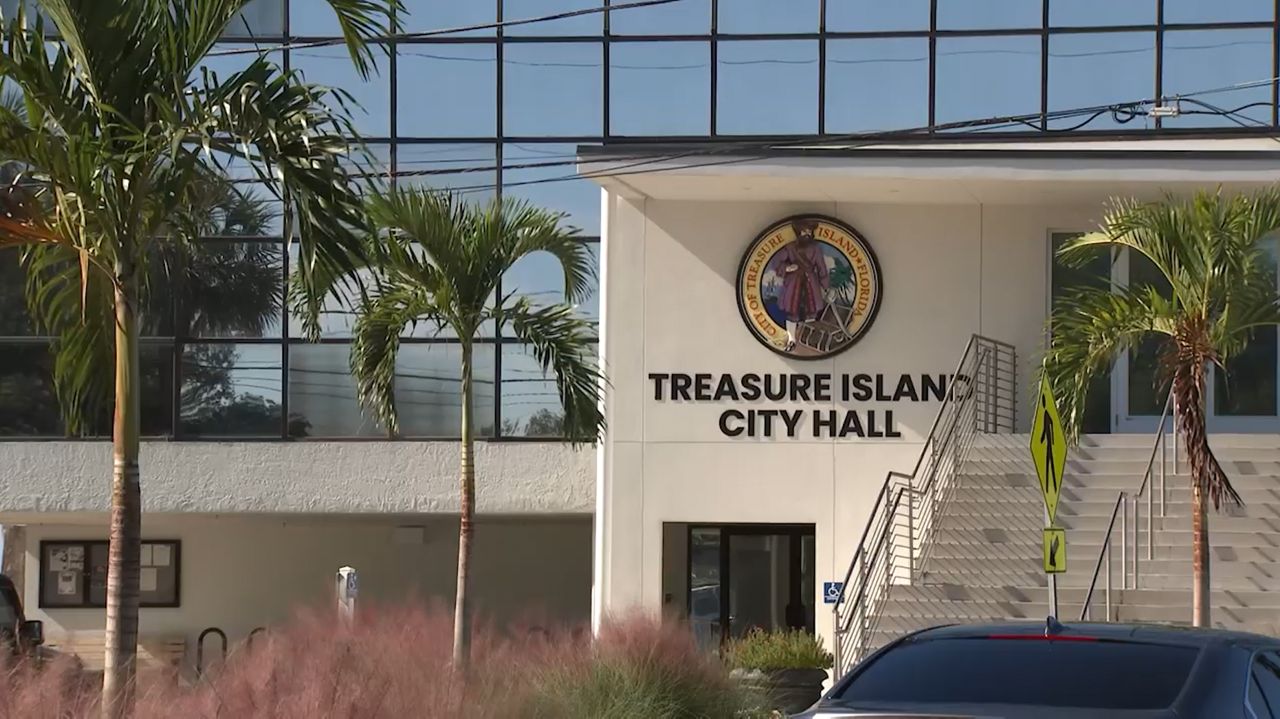
TREASURE ISLAND, Fla. — Some of Pinellas County’s beach communities say the financial impact of Amendment 3 may not be as significant as anticipated, while others are still in the early phases of figuring it out.
The amendment, which was approved by voters on Nov. 3, expands the homestead exemption for non-school property taxes, increasing it from the current $50,000 to $150,000 in 2027, and $250,000 in 2028.
While smaller cities mean overall smaller budgets, the number of properties homesteaded is significantly smaller on the barrier island.
In Treasure Island, City Manager Charlie Van Zant estimated that around 40% of homes are primary residences, meaning fewer properties qualify for the homestead exemption changed by the amendment.
“We don’t have to snap our heads,” Van Zant said. “We don’t have to overreact to anything.”
Last year, Treasure Island established a reserve fund to cover three months of operating expenses, along with a contingency fund equal to 10% of expenditures.
“Our plan moving forward will be to keep that reserve funding and contingency in the budget,” Van Zant said.
Treasure Island is one of only two cities on Pinellas County’s barrier island, along with Clearwater, that operate both their own police and fire departments. Despite having fewer than 10,000 full-time residents, Van Zant said they’re financially in a good place and are not considering any major changes to how public safety is structured.
“If we were going to do something wildly different with our police department, that would go back before the voters,” he said. “So, there’s several safety leavers built into this.”
Van Zant said they do not expect the amendment to impact hurricane recovery efforts or construction of the city’s new public safety center and lift station upgrades.
About 10 miles north, Indian Rocks Beach is also preparing for the impact.
City Manager Ryan Henderson estimates only 30% of homes are homesteaded, and the city could lose about $200,000 in revenue during the first year.
City leaders began preparing more than six months ago, and Henderson said that parking fees approved last winter, as well as short-term rental registration fees, will help offset the losses.
“Our fee structures support our operations, so we don’t expect to be impacted by Amendment 3 in any significant way like some of the other communities may be,” Henderson said.
St. Pete Beach officials said they plan to examine public transportation service contracts and operational efficiencies as they determine how to handle the financial impact.