
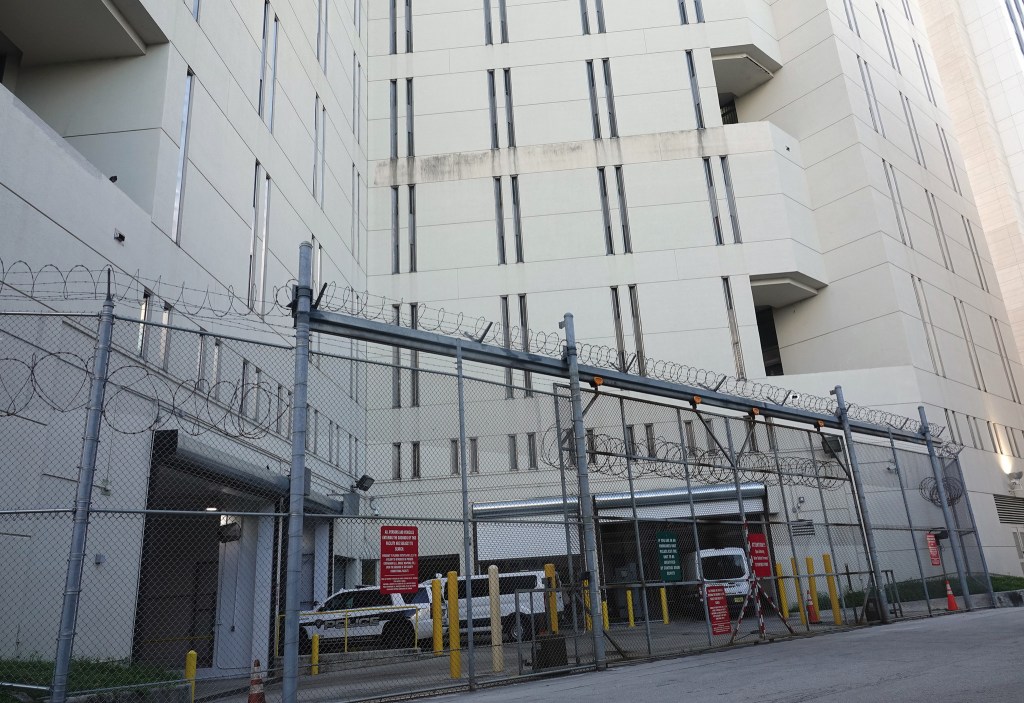
Broward County made history almost 30 years ago. In response to a grand jury’s urgent request to stop suicides in jails, it set up the first mental health court in the United States. This was a bold move toward treating sickness instead of punishing it. That pioneering attitude altered lives and established a new benchmark for the whole country.
Nevertheless, with 24 fatalities in prison in only four years and jails still being the county’s biggest mental health institution, it is evident that our job has not been accomplished yet.
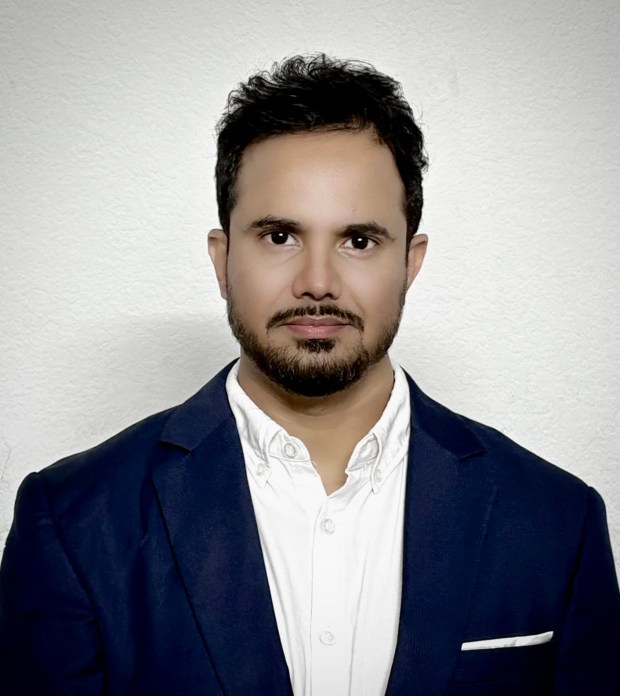 Mahbub Bhuyan is a care coordinator at Henderson Behavioral Health. (courtesy, Mahbub Bhuyan)
Broward’s four jails take in approximately 44,000 inmates every year, and about half of them need mental health care. It costs a lot of money to jail someone with a mental condition — over $130 a day, compared to $80 for other people. That adds up to tens of millions of dollars spent every year, frequently on the most costly and least efficient way to help individuals in trouble.
People with curable diseases are stuck behind bars, and families are let down by a system that cycles their loved ones through booking rather than giving them actual assistance. These data tell tales of pain. This is not just a financial failure, but also a moral one.
However, Broward has already proved what works. Programs like the Misdemeanor Mental Health Court and the Behavioral Health Coalition’s efforts have cut down on prison time significantly and almost completely stopped recidivism. In fact, none of the graduates of the year-long diversion program has been arrested again.
And yet, even though these methods have worked in the past, Broward’s daily prison population is 3,451, which is 6.5% of the state’s total. Budgets still put more money into incarceration than care. This dependence on prisons as unofficial mental health institutions is common throughout the country, with 44% of convicts saying they have had a mental illness in the past. It costs a lot of money and people to put someone in jail in Florida: $20,000 a year. Community-based therapy, on the other hand, costs a lot less and really helps people stop committing crimes and get their lives back on track.
There is a lot of proof. Community-based treatment and diversion programs provide enhanced safety, reduced recidivism and improved life outcomes — frequently at a far lower cost than jail. Broward’s own statistics back this up. Drug court, youth diversion and reintegration programs save millions of dollars, save people from being arrested again and again, and make communities stronger. The Juvenile Predisposition Services program, for instance, saves more than $300 a day for each young person, and early intervention helps young people have healthier futures.
So, what does Broward need to do to keep its commitment to be a national leader?
First, instead of sending police to every mental health crisis, send trained mobile crisis teams. Models like CAHOOTS in Oregon save millions of dollars and provide compassionate, effective treatment. Broward should make these teams bigger and make sure that everyone in distress can get prompt, clinical treatment.
Second, put money into assertive community treatment and wraparound assistance. These methods, based on research, save communities thousands of dollars per person by lowering the number of individuals who require incarceration and emergency services while also giving people in need stability and dignity.
Finally, Broward should make restorative justice programs a big part of its response to low-level crimes. These programs have been shown to lower the number of repeat offenders and help victims. Even moving 5% to 10% of the prison money to community programs may help thousands more people, stop needless arrests, and make prevention stronger.
Such a strategy may be criticized as “soft on crime,” but the statistics are straightforward: States that put money into communities and lower the number of people in jail experience less crime and safer communities in the long run. Broward’s own experience with diversion programs and lower prison populations — without more criminal activity — supports this assertion.
As Broward County finalizes its FY2025-26 budget, policymakers face a defining choice: Perpetuate the expensive failure of a broken prison system or boldly invest those resources in community-based care. The evidence is clear: One path deepens cycles of crime and debt, the other prevents them, slashing recidivism and rebuilding lives. This is not just a budget line — it’s a moral and fiscal imperative. The time for half-measures is over. We must choose care, not cages.
Mahbub Bhuyan is a behavioral health professional and researcher with graduate degrees in criminology and sociology. He is a care coordinator at Henderson Behavioral Health in Lauderdale Lakes, where he applies evidence-based solutions to build safer and healthier communities.