
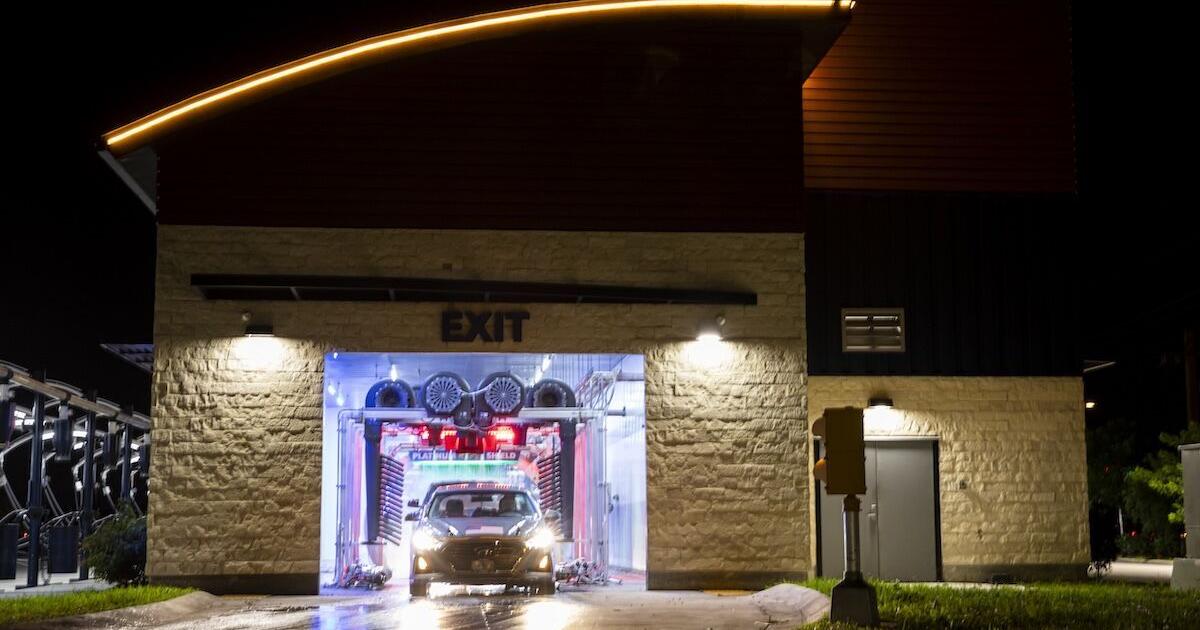
Cape Coral’s business incentive grants are no longer available to gas stations, car washes, storage locker facilities, home-based businesses and businesses that focus entirely on retail sales.
At the same time, the city is enhancing its Business Infrastructure Grant, or BIG, program to attract industrial and infrastructure development across a range of sectors. It also is expanding Cape Collaborates, a grant program designed to help small businesses grow.
City Council approved the changes Dec. 3, along with other revisions to Chapter 29 of the city’s rules for business incentive grants. Staff proposed the updates to streamline the ordinance and clarify economic development goals adopted in 2021. Council voted unanimously and without comment after reviewing details during September and October committee meetings.


Cape Coral City Council members discuss revisions to business incentive grants during their Dec. 3 meeting, which included expanding the BIG program.
Evan Williams
The BIG incentive provides site development funding for nonresidential construction or expansion for offices, flex, industrial and warehouse space and other uses. The program increased from 5% to 10% of construction costs, up to $250,000, and now allows speculative projects in which developers have not yet secured future tenants.
“We need industrial space, we need flex space, we need those spaces to be there so that as we are trying to attract an employer from outside we’re not struggling to try to find eligible spaces that would fit their needs,” said Sharon Woodberry, who leads the Office of Economic and Business Development, at a Sept. 10 meeting.
The BIG program also now accommodates companies with a retail component, provided retail is not their primary focus.
City Manager Michael Ilczyszyn said the expanded BIG incentive will create opportunities to attract companies to the North Cape.
“As we’re courting those businesses, we’re running into problems with not having the space to put them,” he said. “The space will bring the businesses, which will then bring the jobs.”

Self-storage facilities, like this one in Cape Coral, have been removed from the city’s business incentive programs as part of a broader strategic shift.
Evan Williams
The revisions to Chapter 29 also strengthen support for small businesses. The Cape Collaborates program applies to for-profit businesses located in or relocating to Cape Coral with fewer than 10 full-time employees and meeting other qualifications. It covers 20% of capital investments of $25,000 or more, up to a maximum award of $50,000 and a minimum of $5,000. Advertising, machinery and manufacturing equipment, furniture and fixtures are not eligible expenses.
The program mirrors the Cape Coral Community Redevelopment Agency’s Breaking Barriers 2 Business grants but is available citywide and reimbursed after costs are incurred rather than paid upfront.
“[We] want the new revised program to really try to provide funding and support construction and capital growth and what we believe adds to our tax base,” Woodberry said. “This also again addresses the challenges we have with requiring liens on upfront funds.”
Cape Coral’s grant programs also include incentives supporting arts and job creation, guided by a broader set of economic development goals. Before the Dec. 3 meeting, the city had 12 goals focused on attracting new office, commercial, light industrial and warehouse projects; enhancing property values; increasing employment; attracting visitors; and reusing vacant buildings.

Cape Coral City Hall is decorated for the holidays as officials prepare for discussions on economic development goals and business incentive funding.
Evan Williams
The updated document adds 12 more goals, including waterfront revitalization, reducing travel times, fostering the arts, prioritizing infill projects and storm-resilient infrastructure, accelerating utility work and supporting youth sports tourism, transit-oriented developments and signature projects that help shape the city’s identity.
Grant funding comes from local business tax proceeds, financial support funds, interest earnings and transfers from other funds. The city manager can approve awards of up to $100,000 per entity, while larger incentives require Council approval.