
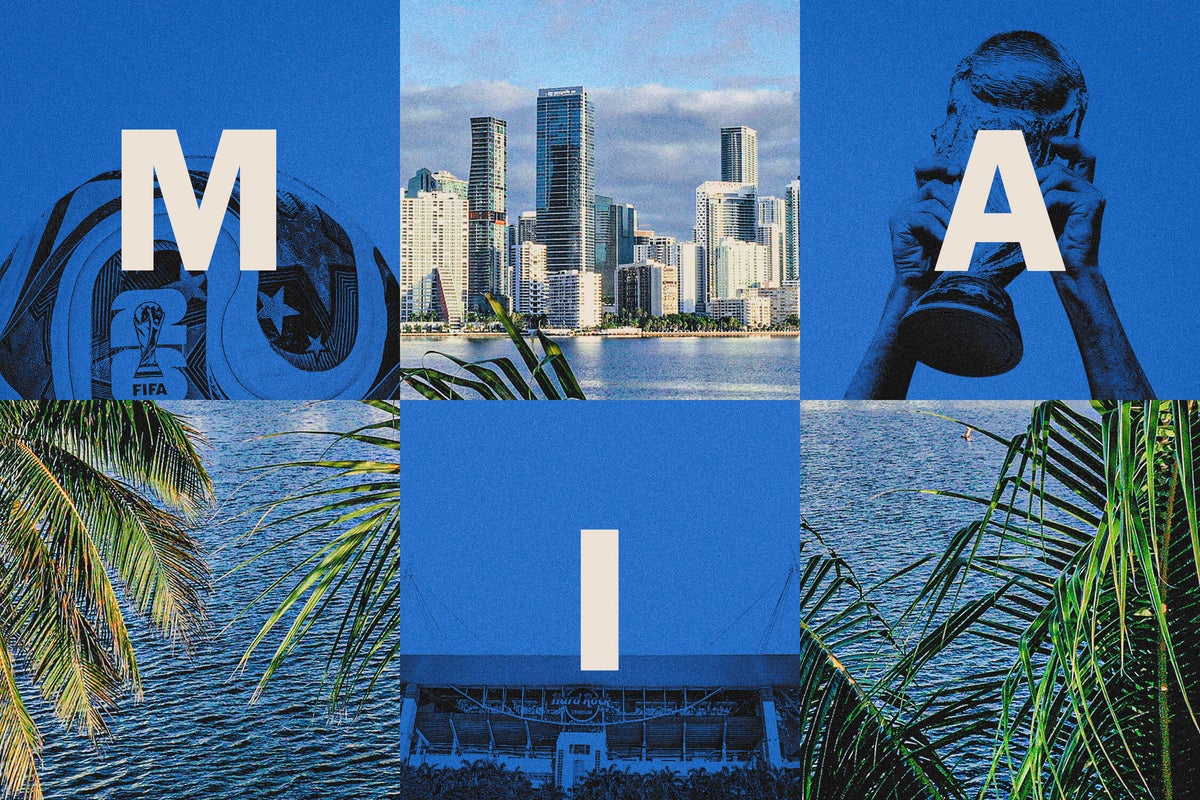
The moment you walk out of the airport terminal, Miami will be in your face.
First, the heat and humidity will slap you hard. Forget tropical breezes, it is more like opening the oven door and getting that blast from a four-hour roast. You thought the air-con was excessive in the last place you visited in the U.S? Give it five minutes outside of baggage claim and you’ll be wondering how people survived here before Willis Carrier’s precious invention.
But you don’t have five minutes to think. If you thought navigating the airport itself was ‘challenging’, then dragging your suitcase onto the concourse to try to get a ride to your hotel will have you tensing up, scanning the scene, ready for combat.
When you finally succeed in battling your way into a vehicle and sinking into the back seat (and oh, doesn’t that air-con feel good), chances are you will quickly realize that while this is technically a city in an English-speaking country, Uber is one of several services that is often solo espanol.
You’ve probably heard the claim that Miami is the ‘gateway to Latin America’ or perhaps even the ‘capital of Latin America’, and while there is a degree of American marketing hype in those descriptions, there is also some truth there. About 70 per cent of the city speaks Spanish, with over half using the language at home with family. Many are bilingual, of course.
Most of those Spanish speakers are Cuban, who began arriving in big numbers following the revolution in 1959, with migration strong in the 1970s and 80s but continuous throughout the life of the communist dictatorship up until the present day. The Cuban community is far more diverse, nuanced and complex than the movie stereotypes would have you believe, but still, it’s probably best you leave that Che Guevara T-shirt at home.
The Venezuelan community has grown significantly over the past 20 years, for similar reasons (called Hugo Chavez and Nicolas Maduro), while the healthy attendance for various international soccer friendlies in Miami over the years serves as a reminder that South Florida is also home to thousands of Colombians, Argentinians, Brazilians, Chileans, Ecuadoreans and Central American nationalities.
But there are neighborhoods with very different cultures and histories. The African-American communities in Miami Gardens, Overtown and Liberty City, for example, and Little Haiti. There are significant Jewish communities in Surfside and Sunny Isles, the latter of which is also home to a large Russian population. Further north in Broward County, Hallandale and Hollywood’s Russian and Ukrainian supermarkets tell their own story, while Lauderhill is home to a large Jamaican and Caribbean population — it even has its own international cricket stadium.
All of which means your experience of Miami and your perspective on the city are going to be strongly influenced by where you spend your time.
It also means Miami’s relationship with soccer is a strange one.
The city is full of people who love the game. Unlike in many parts of America, it is not hard to find a game, from somewhere in the world, on televisions in bars. You will find people who are knowledgeable about the sport all over South Florida. In the peak Messi-Ronaldo era, Barcelona-Real Madrid Clasico games were treated like Super Bowls by many locals, who fired up the grill and invited friends over. Friendly matches involving various national teams and South American and European club sides have always drawn big crowds, and the networks of Spanish-language broadcasters are largely based in Miami, as is the regional confederation CONCACAF, this part of the world’s version of UEFA.
What was missing was American soccer, specifically an MLS team. For four seasons, from 1998 to 2001, the Miami Fusion played in the fledgling league, but with no suitable venue in Miami itself. The NFL stadium and the now-demolished Orange Bowl, then used for college football, were far too big. The Fusion played an hour north of downtown Miami in Fort Lauderdale at Lockhart Stadium. It was a Miami team in name only and the league closed it down after just four seasons.
Then came David Beckham, who had negotiated the right to own an MLS franchise as part of his deal with LA Galaxy. Beckham saw the potential in Miami and, in 2014, set about trying to find a venue in the city itself with his then-ownership group. There were plans for a stadium near Bayside, next to the arena that is home to the Miami Heat, but they fell victim to local planning politics. The same happened with several other purported stadium sites across the city. Every time Beckham announced a plan for a stadium, Miami’s local politicians and the various lobbying groups set about foiling it. The process was so frustrating that Beckham could have been forgiven had he thrown up his hands and switched his plan to one of the many other cities in the U.S. that were lining up for the chance to have an MLS franchise.
Beckham stuck to his guns, though, and decided to bite the bullet, setting up his team, temporarily, at the very place where the Fusion had played. But Lockhart by then had fallen into disrepair. One of the very first soccer stadiums in America — which had been home to the NASL’s Fort Lauderdale Strikers with Gordon Banks, Gerd Muller and George Best — was a ruin when Beckham and new investor Jorge Mas announced their plans. They cleared the site and built a new temporary venue, Chase Stadium, and a training center next door. Inter Miami became a reality in March 2020. Like the Fusion before them, a Miami team in Fort Lauderdale.
They drew decent enough crowds to watch the likes of an end-of-career Gonzalo Higuain, but the club was transformed in July 2023 when the long-rumored signing of Lionel Messi was announced. Inter Miami instantly became a global brand, the pink shirt quickly one of the top sellers in the world (well, at least the version with a No 10 on the back), ticket prices soared, and games across the country sold out.
Chase Stadium was always a stop-gap measure, and by the time the World Cup starts, Inter and Messi should be playing in their new home, Miami Freedom Park, a 25,000-capacity venue near Miami International Airport. The city of Miami will finally have a big-time team playing in Miami-Dade County, and the strange paradox of one of America’s most football-mad cities being without a local club will be over.
In a city with so many other attractions — the beaches, the nightlife, the whole South Florida lifestyle — it was always going to take something big to establish a club, and it does not get much more impactful than Beckham plus Messi.
As the 2025 Club World Cup showed — with big crowds for almost all games, particularly those of Boca Juniors — even an NFL stadium far away from South Beach or downtown Miami can provide a great football atmosphere.
Miami might be chaotic at times, confusing at others, but one thing is for sure: it will be a fun place to be during the World Cup.
The stadium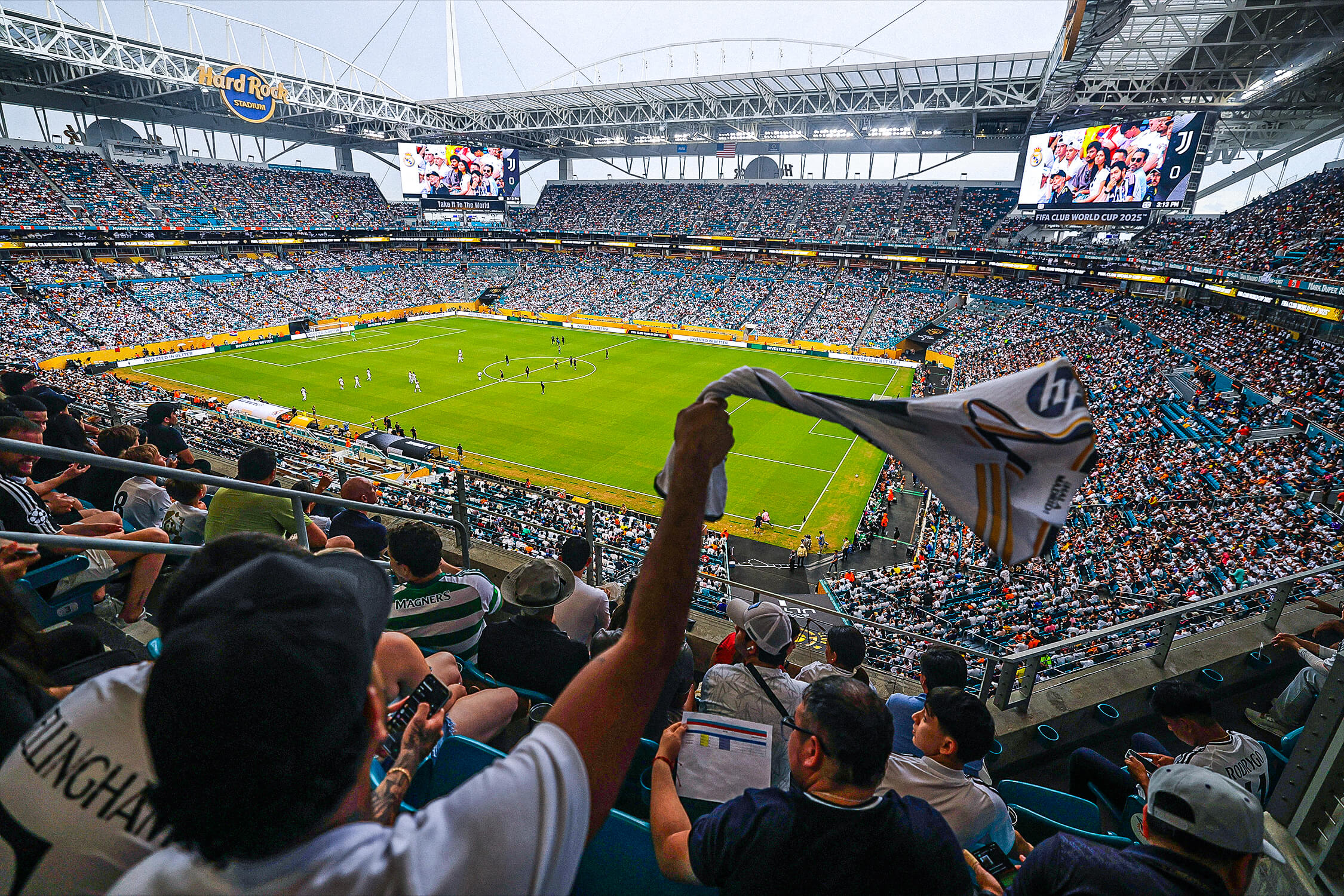
Hard Rock Stadium (Carmen Mandato via Getty Images)
Hard Rock Stadium, also known locally as ‘Joe Robbie Stadium’ and ‘Dolphins Stadium’, is an NFL venue that was built with soccer in mind and opened in 1987, but it missed out on hosting games at the 1994 World Cup as fixtures clashed with home matches of the then-resident Florida Marlins MLB baseball team. But as Boca Juniors fans proved at the Club World Cup in summer 2025, the venue can generate a real atmosphere.
It is located in Miami Gardens and has a capacity of more than 65,000. It is the home of the NFL’s Miami Dolphins and the University of Miami Hurricanes football team. It is also the site of Formula One’s Miami Grand Prix and the ATP/WTA Miami Open tennis tournament. It has not, however, been the home to MLS’ Inter Miami, who played at the smaller Chase Stadium up the road in Fort Lauderdale and who next year will move to a new site near Miami International Airport.
The stadium has hosted plenty of big events, including six Super Bowls, three college football finals, and scores of mega-concerts. Stephen Ross, the owner of the stadium and the Dolphins, is also the owner of Relevent Sports and has brought a series of high-profile summer friendlies to the venue, including a Barcelona vs Real Madrid game in 2017. There was a serious security breakdown at the final of the Copa America between Colombia and Argentina in 2024, but concerns eased after the stadium held eight successful, well-attended, and well-organized matches at the Club World Cup.
Located about 20 minutes north of downtown Miami, it is easily accessible via major highways.
Car: Take I-95 or the Florida Turnpike to the stadium; allow 30-45 minutes from downtown (up to 90 minutes on matchdays). Pre-purchase parking.
Public transit: Metrorail to Golden Glades, then Metrobus 297 direct to the stadium ($2.25-$5.65/£1.70-£4.30).
Brightline: Train to Aventura Station, then free shuttle to the stadium.
Rideshare: Uber/Lyft from downtown or South Beach ($40-$60), with dedicated drop-off zones.
Park & ride: Park at designated lots and take a shuttle that bypasses traffic, though it is not yet certain if this will be in operation for the World Cup.
What do the players say about the city?
Lionel Messi, speaking at an August 2023 press conference: “I feel very happy here… The welcome I received was impressive. It’s a city with many Latinos and that’s why everything is easier. Latino people are closer, they show their emotions, they show their feelings. That care, closeness, that’s the most important thing.”
David Beckham, talking to CBS Miami in April 2025: “It’s always been a special place to me, and I remember when I first started having the conversations about bringing the team here and people were like, ‘No, don’t go to Miami. It’s a tough sporting city.’ And I was like, ‘No, I’ve got a feeling about Miami.’ And then when I came here and spent time here, I fell in love and my whole family fell in love with Miami.”
Dwyane Wade, former Miami Heat NBA star: “Miami is home. It’s a melting pot of cultures, flavors and energy. There is no place like it anywhere in the world.”
Anthony Bourdain (OK, not a player, but come on…), speaking on ‘Parts Unknown’: “Is Miami America? Is it a state? Is it the South? I love Miami for the same reason I love the places I love most around the world… it’s the mix here, this big, messy, dysfunctional hell broth of people from all over the world that make it so awesome and make it a place I want to keep coming back to. Also, the food’s good.”
Where to go for breakfast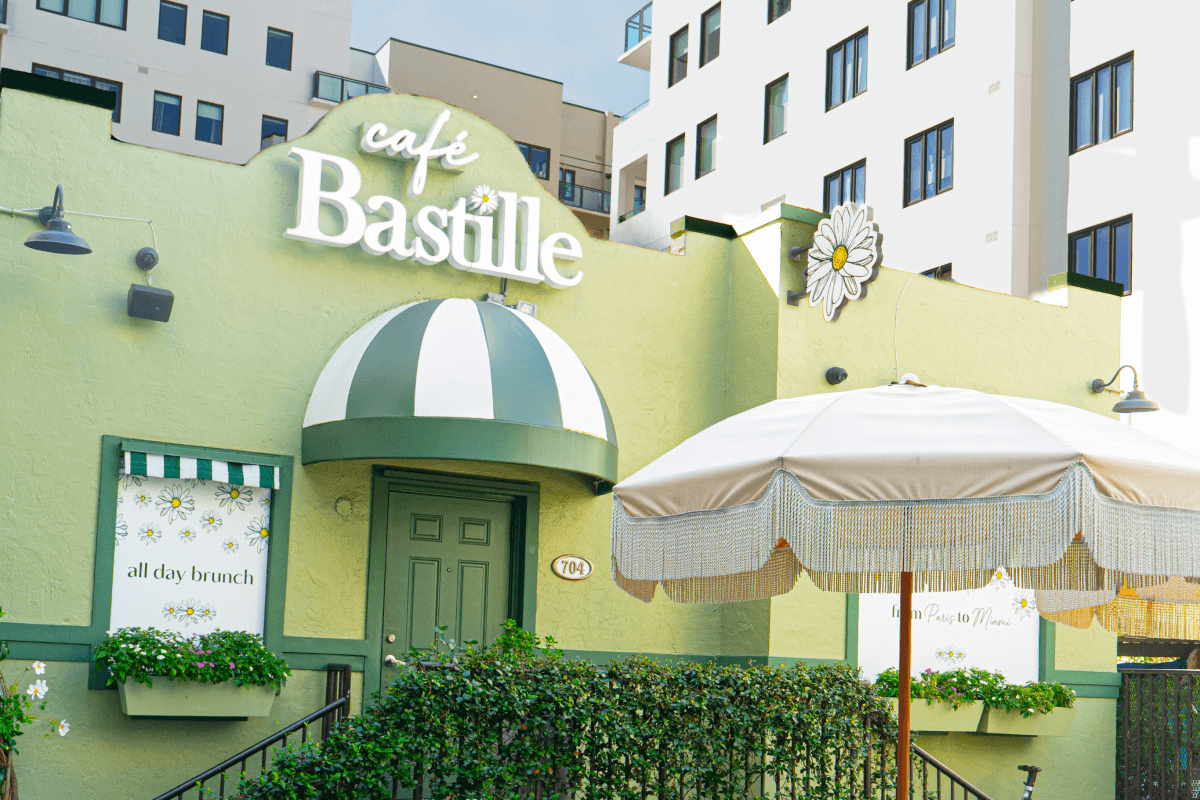
Cafe Bastille (Image supplied by venue)
Where to go for lunchWhere to go for dinnerWhere to grab a drink during the day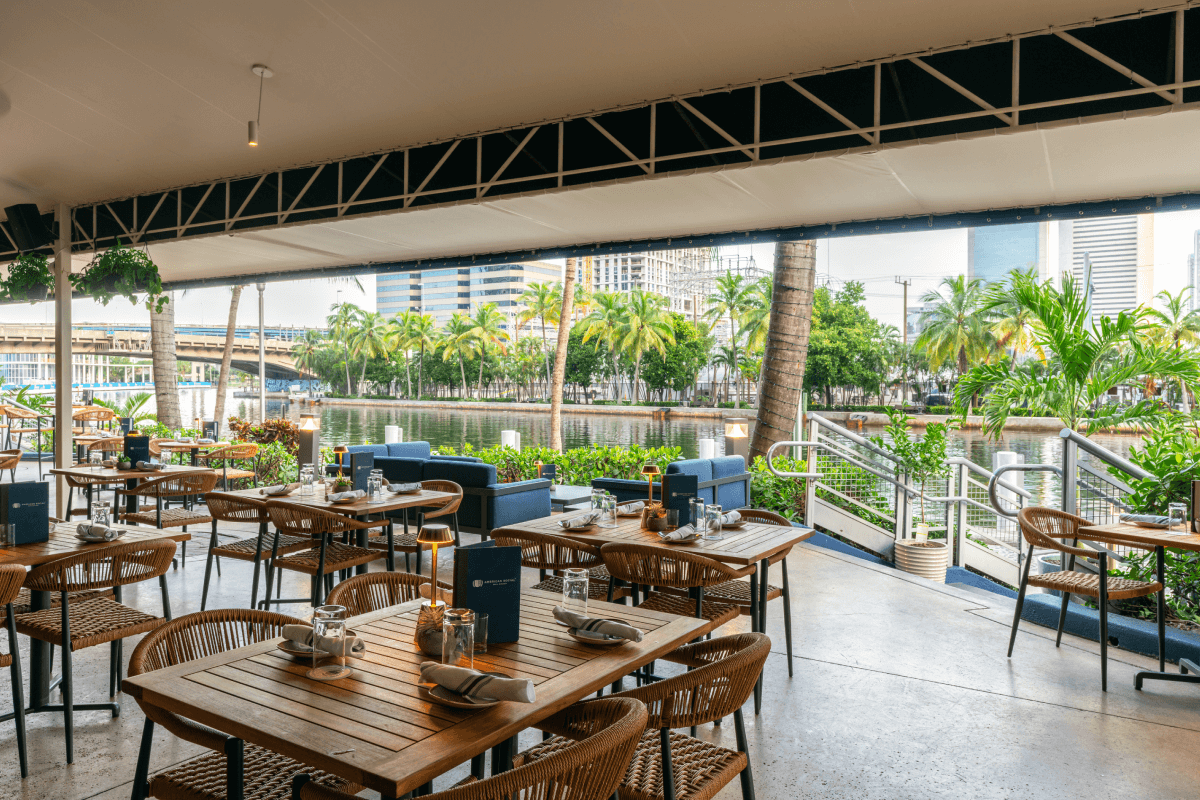
American Social (Image supplied by venue)
Where to grab a drink in the eveningWhere to stay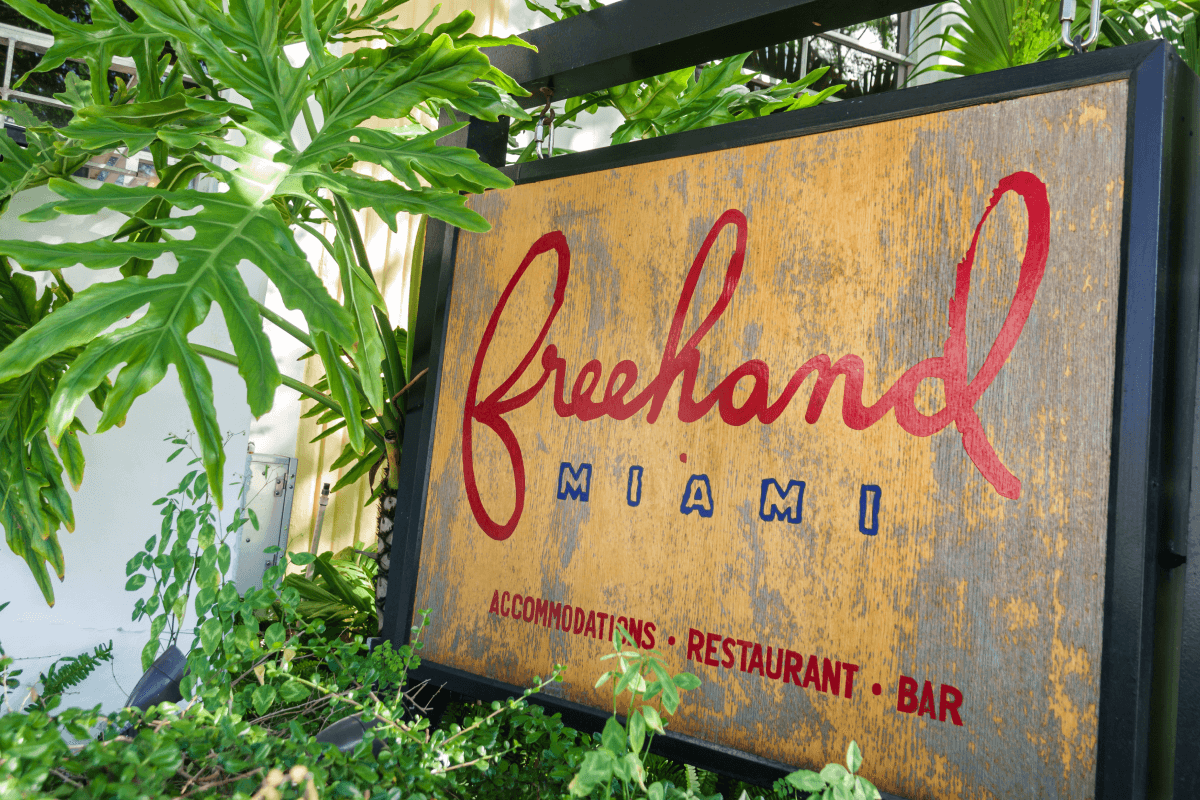
Freehand Miami (Jeffrey Greenberg via Getty Images)
What to do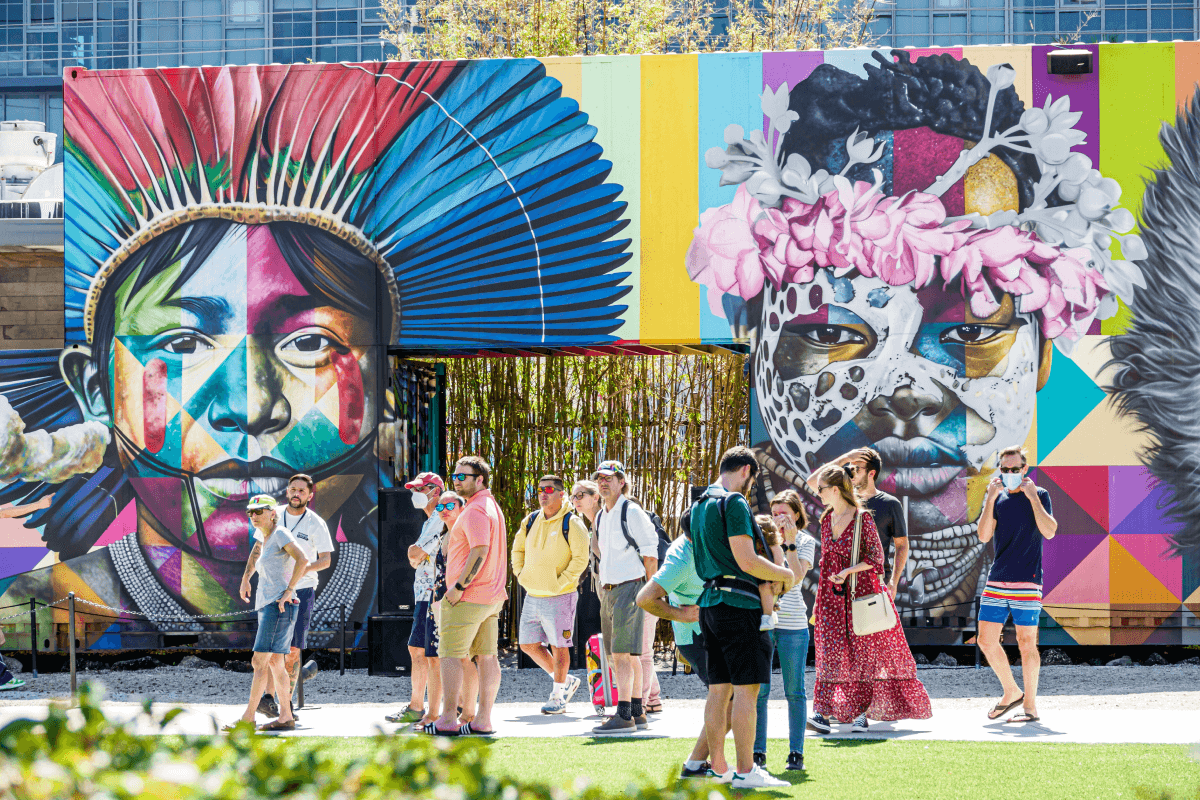
Wynwood Walls (Jeffrey Greenberg via Getty Images)
Where to watch other World Cup games
Bayfront Park in Downtown Miami will host a free official World Cup fan festival, offering a large-scale communal viewing experience. But if you want to go somewhere to watch games, Grails Miami in Wynwood is the place. Another hot spot will be Fritz and Franz Bierhaus (60 Merrick Way, Coral Gables, 33134), an authentic German sports bar where soccer fans from all over go to watch games. Sports & Social at Dolphin Mall (11401 NW 12th Street, Miami, 33172) will without question be a popular spot to watch games, with over 30 HD TVs and a 50-foot media wall.
Game-day hack
Well, tailgating is the best hack to somehow turn a car park into somewhere fun to kick back before the big game. But will tailgating be allowed at the World Cup? It feels unlikely, which is a pity because sadly, in a city known for drink, food and partying, the area around the Hard Rock is pretty barren. But here’s a tip — it is generally easier to get to the stadium from the north on the back roads, arriving on 27th past Calder Casino. So maybe use gameday as a chance to visit the areas north of the stadium. Hollywood Beach is a too-rare ‘old-school’ beach with few tower blocks, barely any fancy hotels, and just basic bars and restaurants along a boardwalk. It is a place you can have a few beers (at reasonable prices) just yards from the sand, with palm trees and the ocean as background. If it is a night game, spend the afternoon at Hollywood and then get an Uber to the stadium. You will probably end up wondering why you bothered staying in South Beach.
The best way to get around
Miami offers a range of transport options for getting to and around the city — in theory. The Metrorail ($2.25 per ride, $5.65 day pass) connects the airport, downtown and some key neighborhoods.
Metrobus ($2.25) covers the entire county and links with Metrorail and the free Metromover, which loops through downtown and Brickell. But do not expect the regularity of service you would find in Europe — nothing like it in fact.
Brightline high-speed rail connects Miami to Fort Lauderdale and West Palm Beach (from $20 one way), with special shuttles to Hard Rock Stadium on event days. Tri-Rail ($2.50-$8.75) is ideal for regional travel up the coast.
But in Miami itself, unless you fancy waiting in the burning sun for infrequent public transport, you will be getting a lot of Ubers or Lyfts. In some areas, water taxis offer scenic routes ($5-$30). If you plan to travel around South Florida, a car rental might be worth considering.
What will the conditions be like?
Average June/July temperature: 81F/82F (27C/28C)
Average June/July rainfall: 163mm/119mm
Altitude: 3m
You can read more here.
A sporting fact you might not know
Miami is the only city whose NFL team, the Miami Dolphins, completed a perfect season — winning every regular-season game and then going through the playoffs to win the Super Bowl, a feat unmatched in league history.
You can read guides to all of the 2026 host cities here.