
Months after South Florida baked through a record-breaking summer marked by relentless heat advisories, soaring energy bills, and indoor temperatures that became unbearable for thousands, a growing body of research is making one thing clear: for people living in older, under-resourced affordable housing, extreme heat is not just uncomfortable; it’s dangerous.
“Extreme heat is the deadliest climate impact and is colliding with the nation’s long-standing shortage in safe, affordable housing for people with the lowest incomes,” said Zoe Middleton, a co-author of the “Colliding Crises” report by the Union of Concerned Scientists (UCS) and associate director for climate resilience at UCS.
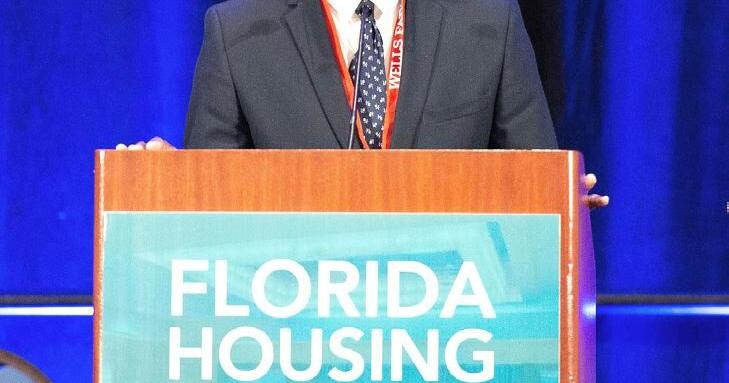
In Miami and across the country, that collision is playing out inside aging, poorly insulated apartments where renters on tight budgets struggle to stay cool. For Ashon Nesbitt, CEO of the Florida Housing Coalition, the link is direct.
“When you combine an aging housing stock with rising temperatures and higher energy costs, it’s clear we have to address energy efficiency and resilience together, especially for low- and moderate-income households,” Nesbitt said.
A hot state
The UCS report examined nearly 8 million homes in public housing, project-based subsidized, manufactured, and Low-Income Housing Tax Credit properties, analyzing National Weather Service heat alerts during “Danger Season,” between May and October 2024. Most residents in the nation’s affordable housing experienced at least seven days of heat alerts; nearly half faced 21 or more.
Florida ranks among the states with the largest number of affordable homes exposed to one or more weeks of heat alerts, along with Texas, New York, California, and Ohio.
Middleton said Florida stands out because the baseline is already high and climbing.
“The extreme heat is growing; we’re dealing with an increase in temperature, but not an increase in investment to manage that temperature, particularly in a place like Miami, where the rent is really high,” she said. “That vulnerability of needing to run your AC on top of paying your rent makes it pop in terms of people having to make really difficult choices.”
The analysis also found that people of color face disproportionate exposure to dangerous heat. Households headed by a person of color make up about half of public and project-based housing units exposed to one week of heat alerts, and two-thirds of those that endured three or more weeks. Florida was among those in the heat-alert-exposure category with the largest percentages of households in public or project-based housing led by a person of color.
Miami-Dade’s burden
For many Miami-Dade residents, heat stress is a daily reality. This past summer, the City of Miami’s Office of Resilience and Sustainability partnered with The Miami Foundation and Catalyst Miami on a implementing heat sensors that tracked indoor and outdoor temperatures in about 70 households. The final report is pending.
Christopher Rice, who lives in an older building and relies on a window air conditioner, said the unit simply can’t keep up.
“I’m in a one-bedroom. I have an AC unit. These ACs are not really doing the thing. The living room and the kitchen are fine, but the bedroom is the one that’s a little warm, so I don’t really rest at night, and I have to get a fan, and then I really can’t take the fan because it hurts my bones,” Rice said in a previous interview with The Miami Times.
The financial strain compounds the discomfort.
“My bills do go up because I have to constantly burn my AC,” he said. “It’s hard when you’re living on a fixed income and then you have your light bill running you almost to $200 a month.”
Nationally, one in four households faces “energy insecurity,” meaning they cannot afford utility bills or must keep homes at unsafe temperatures. In Miami, where “feels-like” temperatures regularly topped 110°F this past summer, advocates say this leads to “heat traps” — small, poorly insulated apartments that are expensive to cool and dangerous during outages.
Camilo Mejía, director of policy and advocacy at Catalyst Miami, noted the clear role that equity plays in tracking and combatting extreme heat.
“These were construction workers, nursery workers, people who don’t have properly weatherized homes, which tend to be a lot of public housing tenants and people living in older buildings who don’t have money to fix filtrations or seal their windows,” he said, describing the participants of this summer’s heat sensor project.
Why older housing becomes a danger
Middleton explained why older housing is often dangerous and costly:
“A lot of the affordable housing in this country and in Florida is older, it’s not weatherized, it’s hard for it to hold cooling.”
If most of a household’s income goes toward rent, “it’s really hard to manage increasingly extreme temperatures through air conditioning,” she added.
Middleton said these challenges are especially dangerous because affordable developments disproportionately house older adults, children, and residents with disabilities or chronic health conditions — people who struggle to regulate body temperature or reach cooling centers.
Nesbitt stressed that the climate and housing crises can’t be treated separately. While new affordable units are important, he argued that the existing stock — often the only option for very low-income residents — needs major upgrades.
“We do now have an aging housing stock in our state that does need investment,” he said. “Particularly for low- to moderate-income households, they have a very high energy burden because the housing is older. The resources aren’t there for them within their own resources to make those necessary upgrades to reduce their energy burdens.”
Climate-resilience policy
Nesbitt said building truly climate-resilient housing means expanding the definition of affordability beyond rent alone.
“How do we build housing that is permanently affordable?” he said. “The long-term affordability of housing is so important. Because we want people to be stable in their housing, it’s not just the mortgage payment itself or the rent. It’s also utilities. It’s also insurance costs. It’s also where it’s located. All of those things are very closely connected to things that come from climate risk.”
He cited local efforts that integrate energy efficiency into rehabilitation programs and utility partnerships that offer rebates or low-interest loans for upgrades. Marion County, for example, has worked with a utility company to incorporate energy efficiency into its rehab policies — a scalable model, according to Nesbitt.
“If that’s replicated all over the state, it could have a big impact.”
Nesbitt also supports adaptive reuse — converting vacant retail into affordable housing — to redevelop existing land rather than pushing into fragile areas.
“We just have to look at all the factors involved from a climate perspective and make sure this is actually good land from an environmental perspective, so we’re not recreating some of the things that happened in the past.”
He says Florida has taken some steps through statewide programs and the Florida Housing Finance Corporation, which now bakes green-building and resilience standards into many applications. Still, he says, those requirements must be strengthened, especially for the rehabilitation of older homes.
“As policymakers, we have to think about this holistically,” Nesbitt said. “In the housing space, we have to bring in the best practices from resilience and energy efficiency and work that into our programs. Doing that at scale impacts so many people and reduces our risk profile as a state.”
Middleton says the tools already exist; what’s missing is sustained commitment.
“It’s not impossible to keep people safer from extreme heat. It’s really a matter of political will, and the money to make something different.”