
Upperclassmen will have to start looking for new places to live ahead of the upcoming 2026-2027 school year. FGCU Housing & Residence Life sent an email to all students who live on the campus notifying them of a change in housing priority on Oct. 3.
“Me and all my roommates are freaking out,” said junior Noah Gruner. “We’re all juniors, so we’re expecting this year to be the easiest time to find housing. I live close, so if I had to, I could live at home. But that’s a decent drive. It’s also hard enough to find parking already, so being able to just walk to class is huge. Then my roommates, who live three hours away. I don’t know what they’re going to do.”
Before the change, the housing priority was based on seniority, determined by how many credits a student had and which academic year they were in. Now, rising sophomores will be allowed to select rooms first, gaining access to more sought-after housing developments on campus, such as North Lake Village, before rising seniors.
“I do feel bad for kids right now, who do go to school and who need housing here,” said junior Melanie Pando. “I do think if the school is planning on expanding like that, and not building more parking to allow for more commuters…then they need to do something.”
Story continues below advertisement
According to FGCU Housing & Resident Life, students who cannot obtain housing during their freshman year tend to either find off-campus housing, which can be expensive, or transfer to other colleges with on-campus housing or near their residences.
“We all rely on financial aid to pay for our housing, that’s not going to work for an apartment,” Gruner said. “You can’t just get financial aid to pay for an apartment, and especially, an apartment monthly. It’s [also] a 14-month lease, instead of the dorms, where you just move out at the end of the semester. So kids who go home and have jobs at home, I don’t know what they would do.”
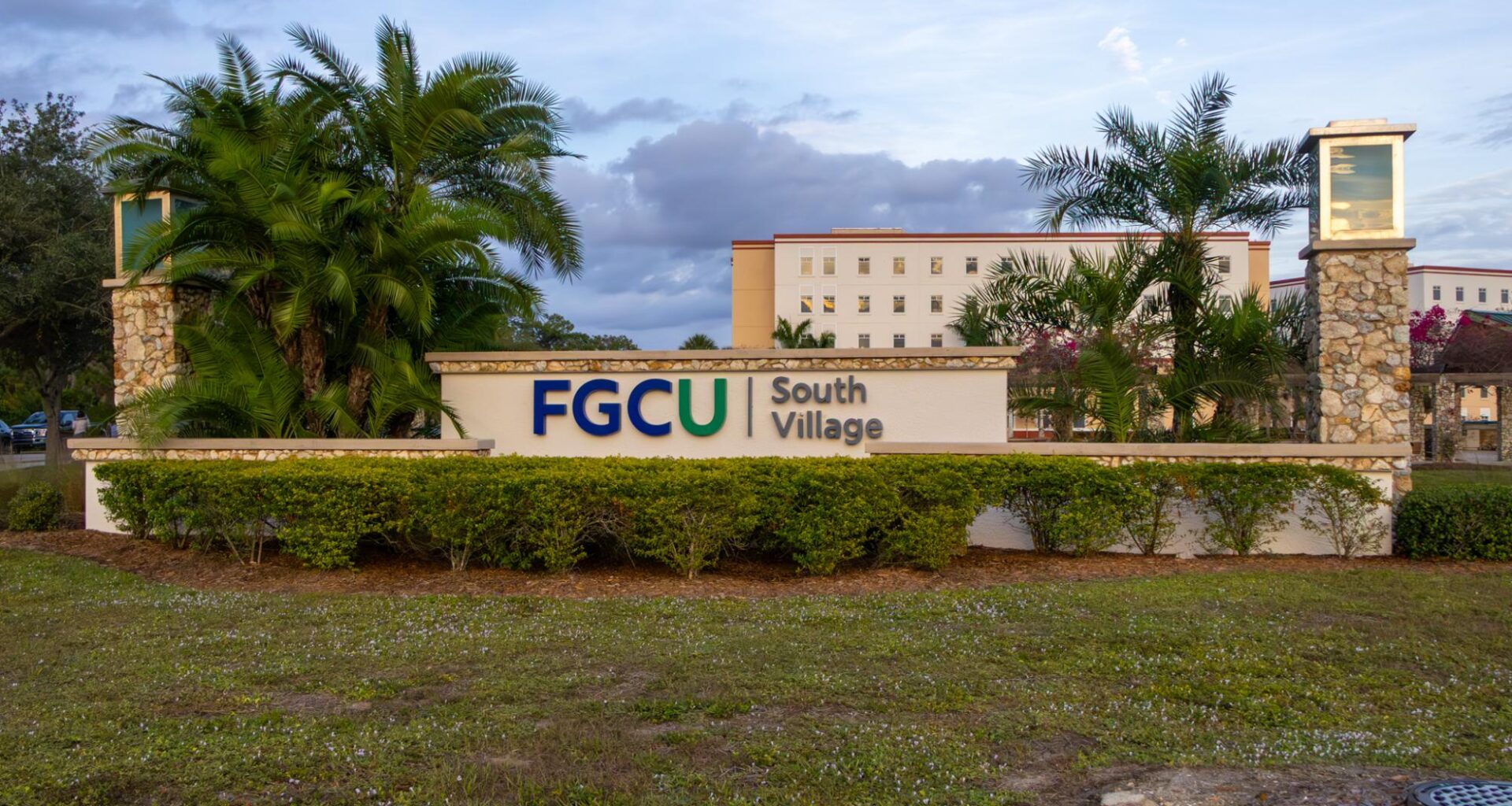
While rising sophomores can only apply for housing in North Lake Village and South Village (SoVi), slots have historically filled up quickly for both. If all slots are full, current sophomores and juniors wishing to stay in “on-campus” housing would have to move off campus to West Lake Village, which is two miles off campus.
“FGCU made this change to give rising sophomores priority over juniors and seniors because the sophomore year is a pivotal point in a student’s collegiate journey,” FGCU’s Assistant Vice President of University Housing Jameson Moschella said. “Research shows that students are most at risk of leaving during or after their first year, so ensuring they remain connected to campus during their second year is critical for retention and success.”
According to Moschella, the current rate of freshmen-to-sophomores in the full-time 2024 student cohort is 85.4%, but the state benchmark for excellence on this metric is 90%. While the college has seen an improvement in retention in recent years, it still feels there is room for improvement.
The benchmark for excellence is determined on each institution’s average percentage of individual metrics, and directly affects how universities get state funding, as well as how much funding they receive.
Unlike other students, rising sophomores cannot include anyone outside their graduating class in their housing plan.
“Rising sophomores will not be able to add students from other cohorts during their priority selection period,” said Moschella. “If a rising sophomore wishes to live with someone who is not in the rising sophomore group, they can wait and select a room together during the general room selection process.”
Housing also does not foresee any impacts to the application process for students looking to live on campus next year.
“While the priority order has shifted, it’s important to note that we will still be able to offer more spaces to returning students than in previous years, which will help reduce pressure on the process overall and create benefits for all residential students,” Moschella said.