
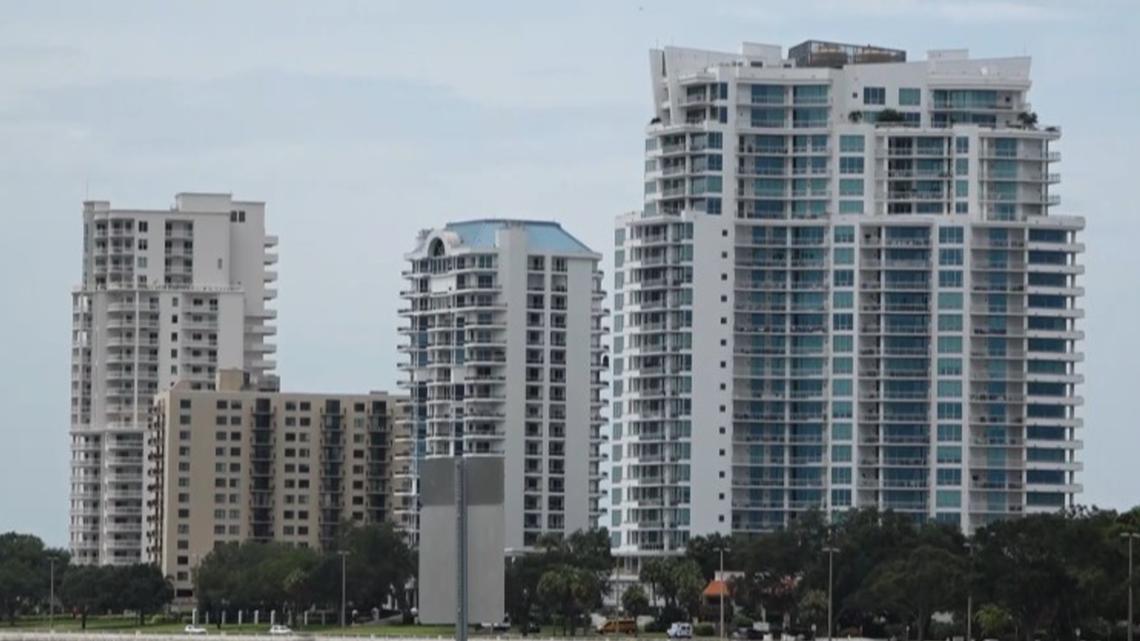
House Bill 657 would overhaul Florida’s HOA and condominium laws, and create a legal pathway to dissolve associations under specific conditions.
TAMPA, Fla. — A sweeping proposal in the Florida Legislature could allow homeowners to dismantle their homeowners associations, a move supporters call a major step toward accountability, while critics warn it could create legal and financial chaos in communities across the state.
House Bill 657, filed by Rep. Juan Carlos Porras, would overhaul Florida’s HOA and condominium laws and create a legal pathway to dissolve associations under specific conditions.
“This is going to be one of the largest overhauls on the condominium HOA Act, I think, in Florida history,” Porras said.
The bill would begin with a petition signed by at least 20% of a community’s voting members. HOA boards would then be required to hold a meeting within 60 days, and at least two-thirds of all voting interests would have to approve the termination plan. If the measure fails, homeowners would have to wait 18 months before trying again.
“For the first time, this bill is going to provide guidelines on dissolution,” Porras said. “Homeowners will be able to petition and create a plan so common elements are going to be taken care of.”
Porras said the goal is to give residents a direct path to challenge associations he believes have grown too powerful.
“What was once a homeowners association has now become a quasi-elected pseudo-government,” he said. “They have more authority and more regulation than many cities and counties.”
The proposal would also create a new court-based system to handle disputes.
“This is going to completely change how homeowners handle condominium and HOA disputes, by having a direct court system,” Porras said.
HOA attorney Eric Appleton said the bill fails to account for the complex infrastructure many associations manage.
“You have common roof lines. Common gutters. Common sidewalks,” Appleton said. “Painting is done on a uniform basis for a townhome, for example — and those are homeowners associations.”
Appleton warned dissolving HOAs could create widespread instability.
“We can only imagine the chaos that it would create,” he said. “It would be borderline lawless.”
He added the bill does not fully address surface water permits, private roads and long-term maintenance obligations.
“It fails to contemplate the consequences… when you talk about homes subjected to surface water management or private roadways,” Appleton said.
The bill also includes penalties for board members who interfere with dissolution efforts, including fines of up to $5,000 per violation and removal from office.
HB 657 must still clear House and Senate committees and be signed by the governor. There is currently no companion bill in the Senate. If approved, the changes would take effect in July 2026.