
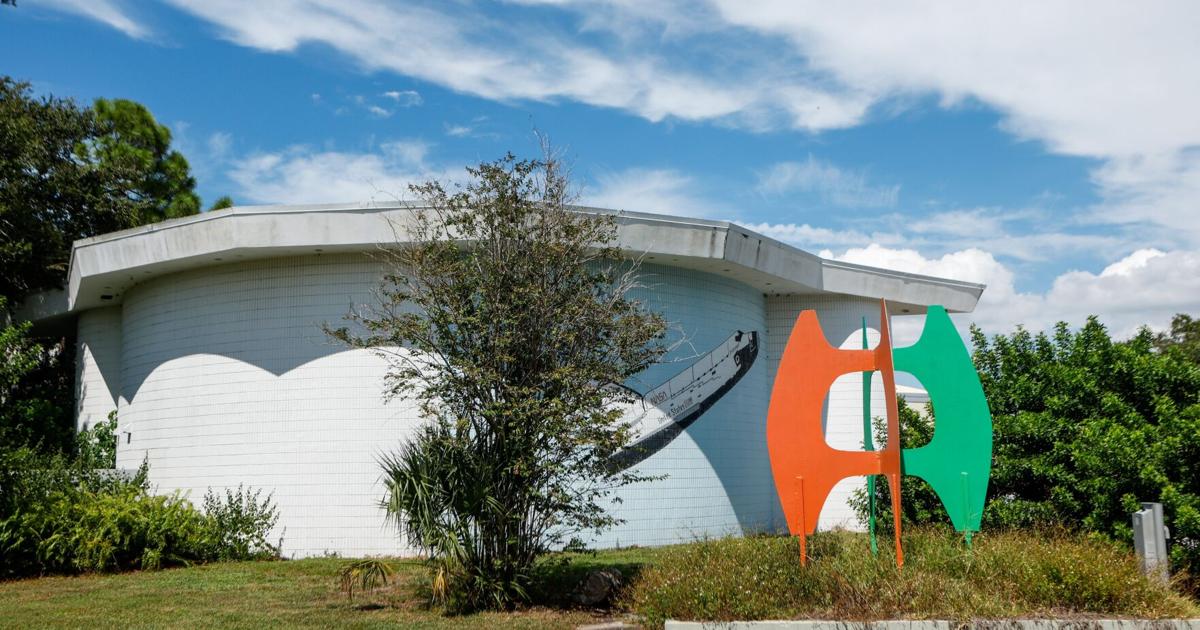
The Science Center in west St. Petersburg is on its way to making a comeback.
The City Council unanimously voted Dec. 4 to sell a 4-acre lot at 7701 22nd Ave. N. to the St. Petersburg Group. That cleared a major hurdle for an overhaul of the Science Center, where generations of Pinellas County schoolchildren spent their summers and visited on field trips.
The $1.6 million sale is expected to close Jan. 5. The Sinclair Group construction company is expected to break ground on the $25 million project days later.
An effort to bring the Science Center back to life began five years ago. Negotiations dragged on and stalled. Mayor Ken Welch’s administration thought that land might be better suited for future stormwater tanks after commissioning a study of best uses for the property.
The council then voted 8-0 to ask Welch to reconsider while also looking for other ways to bolster the Northwest Water Reclamation Facility next door. They billed it as a much-needed “win” for the city. Welch obliged days later.
Proceeds from the sale of the property will go toward the city’s water resources fund.
St. Petersburg Group co-founder Joe Hamilton said he and city officials are aligned on the project but just “had a blip.” Hamilton is also the publisher of the St. Pete Catalyst, which shares content with the Tampa Bay Times.
“We’re more aligned than ever now,” he said. “We definitely couldn’t have done it without them.”
The project already has $10 million in state and federal funding, though Hamilton said his group will be applying for more state dollars. He is launching a campaign to raise another $10 million and will soon announce pledged gifts.
The original Science Center opened in 1959 on Arlington Avenue North downtown. Buildings went up on its current site in 1966. It shuttered in 2014 due to failing finances.
The city bought the property five years later and used some of the land to build wastewater storage tanks in response to a 2016 sewage crisis.
Hamilton plans to keep the round front building as a planetarium but demolish the square building behind it. The Historic Mosaic Trail honoring each of the 50 states will also be preserved.
The new Science Center will feature a “hybritorium” event space to accommodate in-person and virtual guests. There will be 220 physical seats and 100 screens that can each feature a virtual guest.
There will be an Artificial Intelligence village to familiarize kids with emerging technology. The Science Center will also have office space and event space with an indoor-outdoor rooftop garden, terrace and four-story waterfall.
Hamilton said the goal is to ready the Science Center for summer camps in 2027 and open the facility during that following school year.