
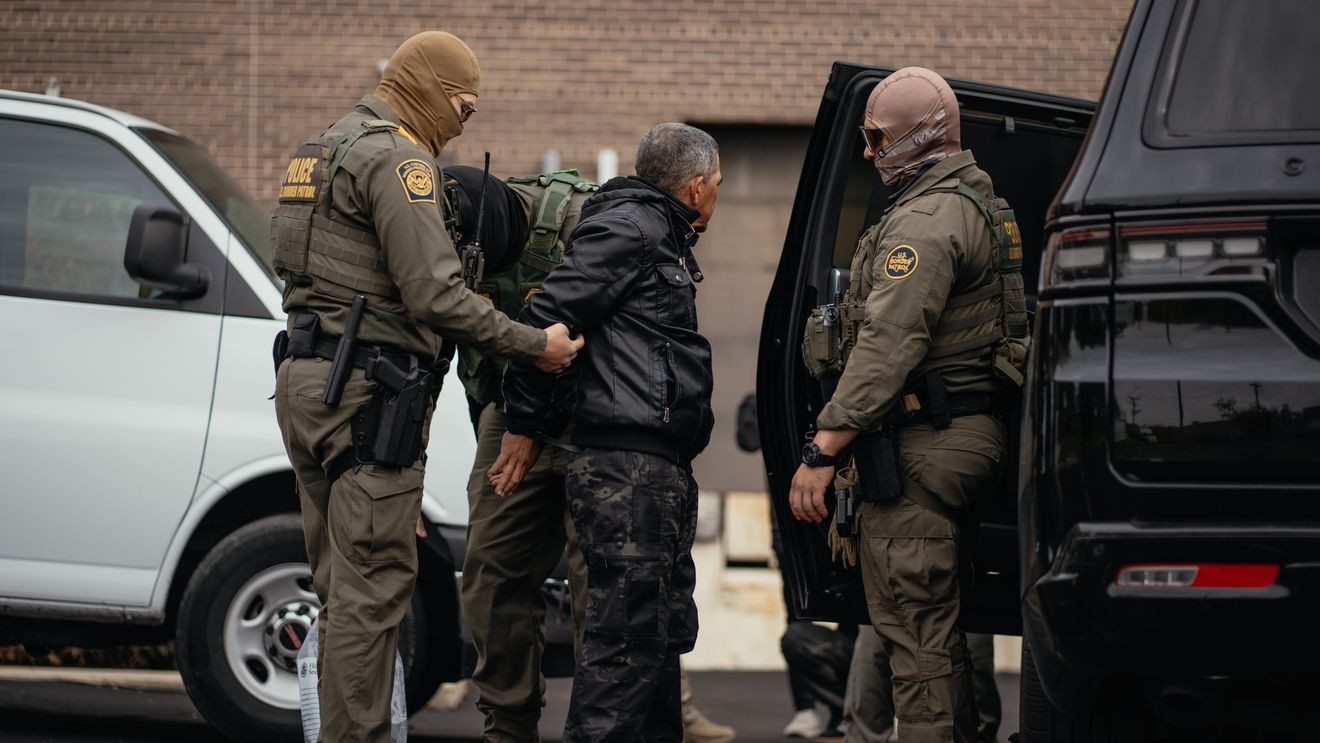
MARTIN COUNTY, Fla. (CBS12) — The Martin County Sheriff’s Office has received a large infusion of money from the state to assist with immigration enforcement. Of more than $2 million earmarked by the state for local enforcement efforts, MCSO received the largest amount – more than $735,000.
The money, from the State Board of Immigration Enforcement, will be used for new equipment, including Tasers, a rapid DNA machine, radios, camera systems and more.
Below is a breakdown of how MCSO is spending the $738,000.
St. Lucie and Indian River counties received similar checks last month, while a state dashboard on ICE encounters shows Martin County has the second most in the state.
Sheriff John Budensiek emphasized that these grants ensure residents aren’t footing the bill for federal-level enforcement. “From my angle, it’s not our taxpayers, our local taxpayer’s job to pay for all these services. The state has money from the state and federal funding to do that. And that’s what this money offsets,” Budensiek said
The focus on Martin County comes as state data highlights a high volume of activity in the area. The state dashboard on ICE encounters shows that Martin County has the second-highest number of encounters with “suspected unauthorized aliens” in Florida, trailing only the Florida Department of Highway Safety and Motor Vehicles.
“A lot of these individuals that are illegal have come in. They’ve come in under an alias. They’ve maybe been arrested, maybe not,” Budensiek explained. “They committed crimes, and we can bring them in here. We can identify where they’re wanted, or they bounce off of any investigations that have DNA attached to it.”
While the Governor and Cabinet were quick to approve the local funds, Governor Ron DeSantis questioned the current impact of federal resources. “Now that DHS has more money and stuff, have they been able to expand their capabilities, both in terms of detention and then also removal? Have we seen an uptick?” DeSantis asked.
The Board of Immigration Enforcement indicates that the Department of Homeland Security is currently looking to expand its detention capacity to approximately 100,000 beds nationwide by early 2026.