
The United States experienced the longest government shutdown in its history. This affected many of the nation’s health-related programs on Oct. 1 and lasted for 43 days. One of the most notable impacts was the halting of Supplemental Nutrition Assistance Program (SNAP) benefits for food banks.
It’s important to note that, government shutdown aside, demand for food banks has risen across the country in recent years. This is especially true in Southwest Florida, where rising insurance premiums and property taxes are affecting residents.
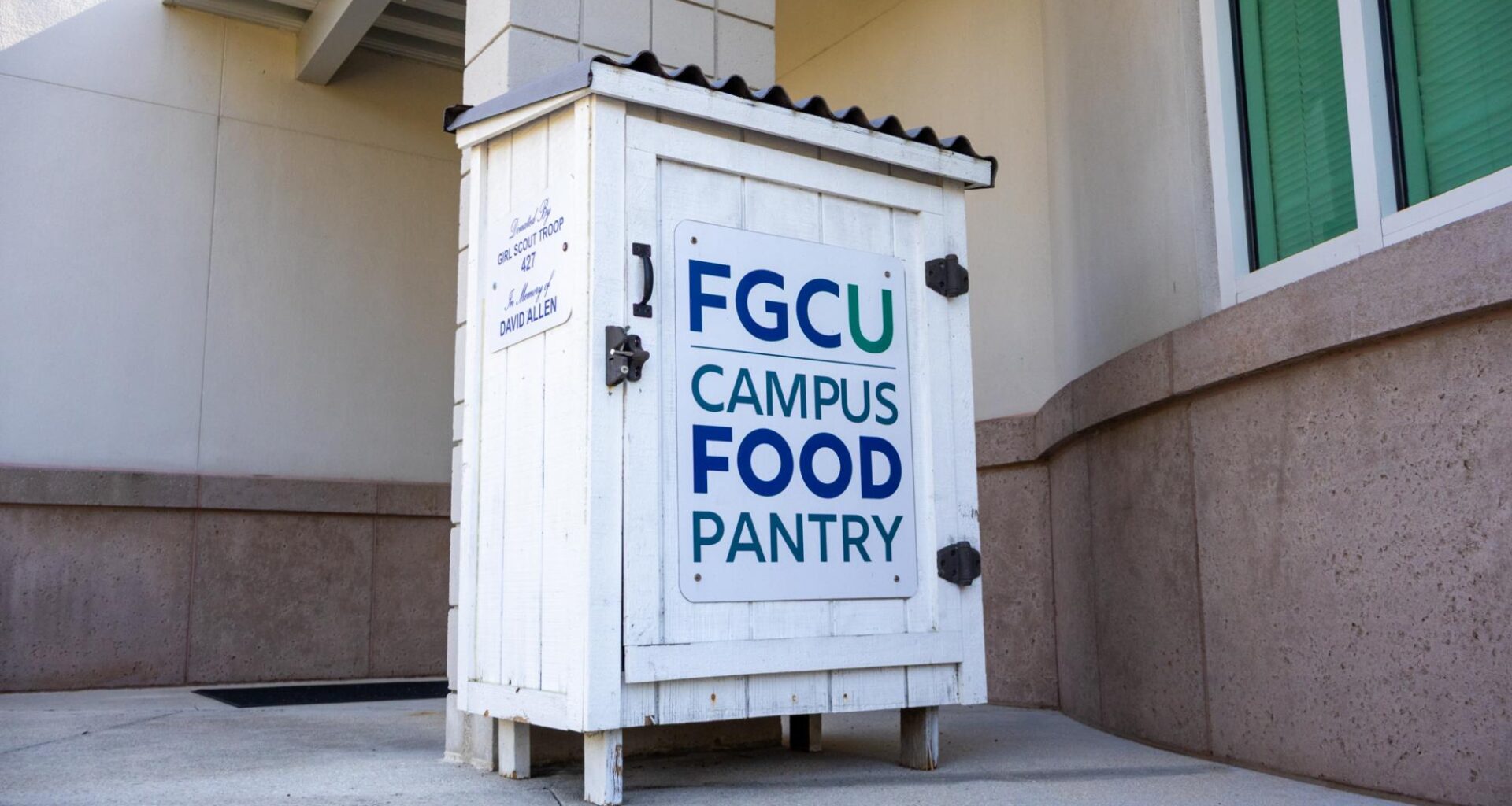
“Only 4% of our recipients receive SNAP benefits, so the shutdown didn’t affect us too much,” said FGCU Campus Food Pantry Coordinator Sam Lloyd. “Our recent increase in demand has more to do with the rising cost of living.”
Many federal programs that help fund food banks, such as the Local Food Purchase Assistance Program (LFPA) and the Emergency Food Assistance Program (TEFAP) were paused or terminated earlier this year. This put even more financial strain on food banks that rely on this funding.
Story continues below advertisement
The government shutdown brought even more demand, which they were already dealing with. According to Harry Chapin Food Bank COO Marissa Stress-Peterson, demand increased by about 25% following the suspension of SNAP benefits.
Harry Chapin Food Bank is the largest hunger-relief organization in the region. It covers Lee, Charlotte, Collier, Glades and Hendry Counties. Last year, it distributed more than 39 million pounds of food to those in need, with almost half coming from Lee County.
With federal agencies out of commission and budgets being cut, food banks had to rely more on other sources of food distribution, such as retail stores and local farmers. There were also financial decisions that had to be made to cover the budget shortfall.
“We were doing a lot more shelf stable foods, but we’ve reallocated more towards produce for various reasons. That’s what our neighbors wanted because produce is very expensive in stores,” Stress-Peterson said. “It’s also easier for us to source. Believe it or not, we can get produce at a better price than shelf stable foods.”
Food banks such as Harry Chapin and Salvation Army fall under Feeding America, the largest nationwide hunger-relief organization. While the program is not directly federally funded, it does rely on federal nutrition programs to support its large network of food banks and partner agencies. The people who rely on food banks are the ones who ultimately feel the effects of these budget cuts.
Another food bank in the area is Midwest Food Bank. Unlike other food banks, it is not in the Feeding America program and relies entirely on private donors and volunteers. The food bank does not distribute to the public directly. Instead, it acts as a distribution hub for its 216 partner agencies.
“We definitely saw higher demand [from food banks], but then again, we are not under that program, so we were able to respond to the demand,” said Volunteer Manager J.P. Almonacid.
Another key factor that separates Midwest Food Bank from other food providers in the area is that its supply comes directly from manufacturers all over the country.
“Manufacturers reach out to us directly when they have too much product or something isn’t selling,” said Almonacid. “So we can send our drivers directly to them, whereas other food banks have to rely on local donations or the Feeding America program.”
On Nov. 13, after 43 days, the government shutdown ended, and SNAP benefits were reinstated. However, food banks and pantries like these are still experiencing the ramifications of the shutdown. Similar to situations such as the COVID-19 Pandemic and Hurricane Ian, many families will struggle to recover.
There are many ways to get involved by volunteering for these food banks and supporting them during hardship. All organizations welcome donations of food and money to the program. In addition, the Harry Chapin Food Bank offers opportunities to host food drives in the community. If interested in volunteering at any of the food banks mentioned in this article, information about volunteer opportunities can be found on all their websites.