
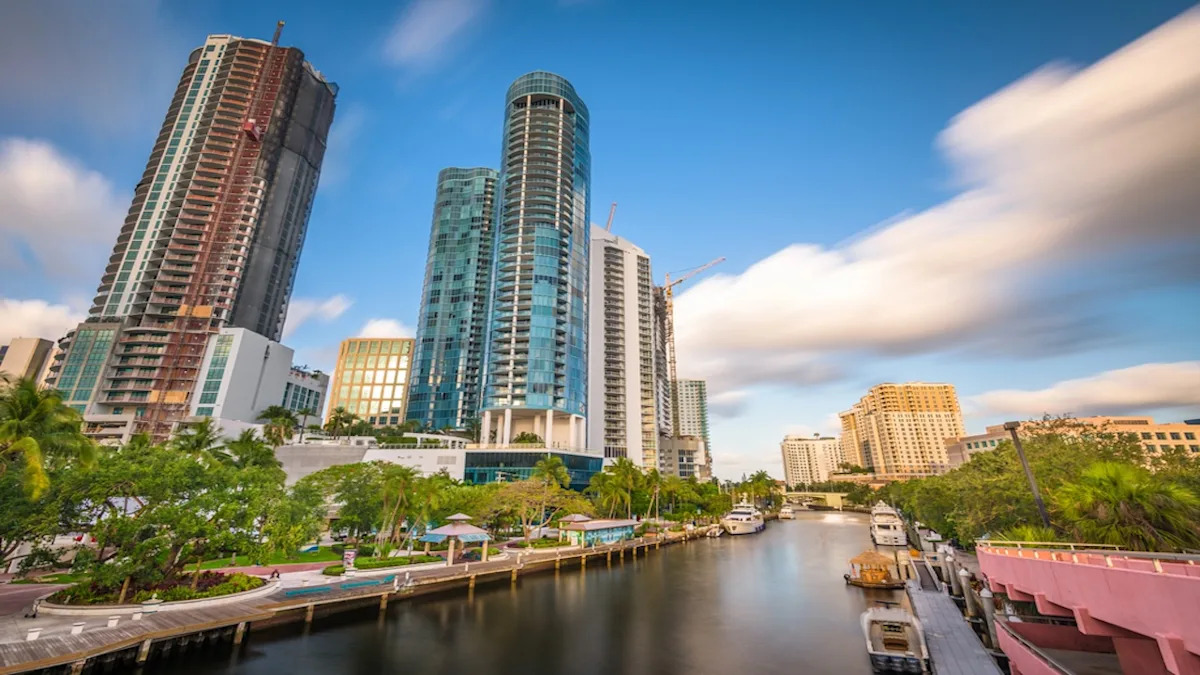
America’s most walkable retirement destination isn’t found in a traditional senior community or mountain resort, but in the vibrant coastal neighborhoods of Fort Lauderdale, Florida, where retirees are discovering they can live comfortably without ever needing to own a car.
The “Venice of America,” as Fort Lauderdale is affectionately known for its extensive canal system, has quietly transformed into the nation’s premier car-free retirement haven, offering a unique combination of urban amenities, subtropical climate, and comprehensive public transportation that makes vehicle ownership unnecessary.
Walkable Neighborhoods Lead the Way
Three Fort Lauderdale neighborhoods stand out with exceptional walkability scores above 85: Flagler Village (89), Downtown (89), and Colee Hammock (86). These areas allow retirees to access restaurants, shops, healthcare facilities, and entertainment venues entirely on foot.
Flagler Village, once a warehouse district, has evolved into a hip arts quarter where retirees can walk to galleries, boutique restaurants, and everyday necessities. The neighborhood combines urban excitement with access to Holiday Park, providing green space and recreation facilities within walking distance.
Complete car-free living works best in Flagler Village, downtown, and the Las Olas corridor, where daily necessities are within walking distance. Multiple Publix grocery stores are located within half a mile of the most walkable areas, with CVS and Walgreens handling pharmacy needs.
The Las Olas Advantage
The famous Las Olas Boulevard corridor serves as Fort Lauderdale’s pedestrian spine, connecting walkable neighborhoods through a vibrant strip of cafes, shops, and cultural attractions. Colee Hammock, positioned along this corridor, offers retirees low-rise condo options with immediate access to dining favorites like Rocco’s Tacos and easy connections to public transportation.
Colee Hammock’s portion of Las Olas Boulevard is lined with shops and restaurants, providing walkable access to local amenities. The neighborhood combines historic charm with modern conveniences, making it particularly appealing to retirees seeking character without sacrificing accessibility.
Beach Communities Without Cars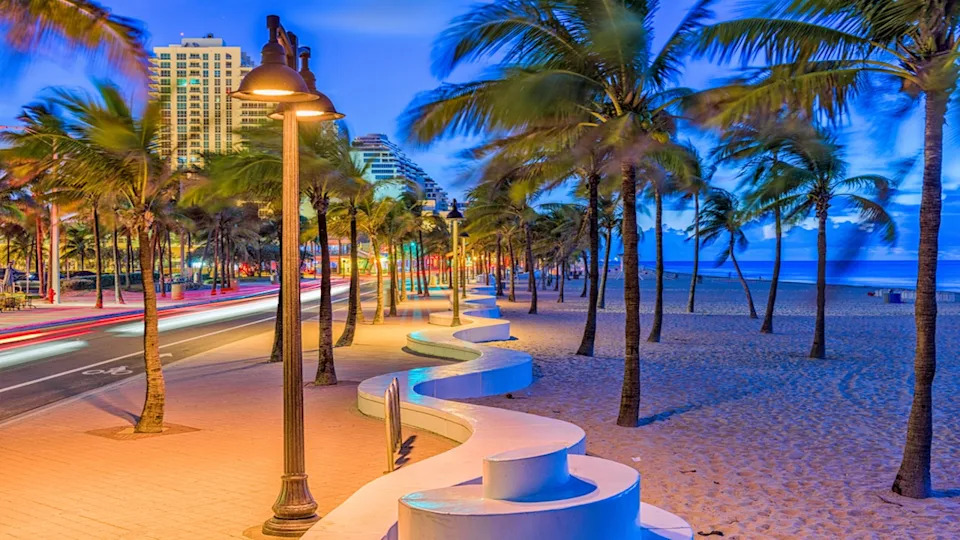
Image Credit: Depositphotos
Lauderdale-by-the-Sea presents a unique car-free beach lifestyle, where residents can leave their cars at home, with dozens of shops, restaurants, and other businesses clustered along a bustling portion of Commercial Boulevard. The community features direct ocean access, South Florida’s longest fishing pier, and near-shore coral reefs for underwater exploration.
Housing options range from affordable one-bedroom condos under $200,000 to luxury waterfront properties, providing choices for various retirement budgets. The beachfront location eliminates the need for transportation to recreational activities, with water sports rentals and coastal restaurants within walking distance.
Comprehensive Transit Network
Fort Lauderdale’s public transportation system supports car-free living through multiple interconnected services. The city offers Sun Trolley, Uptown Link, Riverwalk Water Trolley, Water Taxi, and the planned WAVE Streetcar, along with Broward County Transit providing county-wide bus access.
The Sun Trolley system stands out for its affordability and convenience, with airport connections provided free and trolley routes costing only $1 per ride or $3 for an all-day pass. Real-time GPS tracking through a mobile app eliminates uncertainty about arrival times.
For longer distances, the Tri-Rail system connects Fort Lauderdale to Miami and West Palm Beach, while the new Brightline high-speed rail service provides premium regional connectivity. Broward County Transit buses provide connections across the county and to neighboring areas like Miami.
Bike-Friendly Infrastructure
Fort Lauderdale’s flat terrain and extensive bike infrastructure make cycling a practical transportation option for retirees. The city has invested in over 90 miles of bikeways, alongside Broward B-Cycle’s bike-sharing program, creating a comprehensive network for both recreation and daily errands.
The coastal location provides scenic routes along the beach road with continuous water views, while dedicated bike lanes throughout the city ensure safe travel to shopping and dining destinations.
Economic Advantages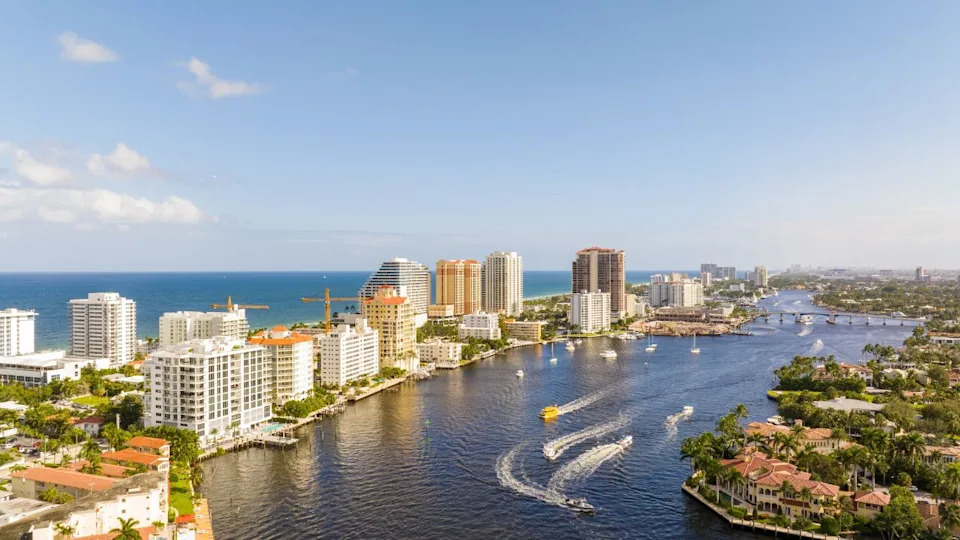
Image Credit: Shutterstock.
Florida’s tax structure significantly enhances Fort Lauderdale’s appeal for car-free retirees. With no state income tax, inheritance tax, or pension tax, retirees can maximize their fixed incomes while eliminating vehicle-related expenses including insurance, maintenance, gas, and parking fees.
The walkable neighborhoods offer various price points, with Victoria Park providing affordable options for budget-conscious retirees and Las Olas Isles catering to luxury preferences. Average rent in walkable areas ranges from $1,960 to $2,100 for one-bedroom apartments, competitive with other major Florida retirement destinations.
Healthcare and Senior Services
Healthcare access remains strong throughout Fort Lauderdale’s walkable areas, with Broward Health facilities connected via public transit from most residential neighborhoods. The concentration of medical services in downtown and along major transit corridors ensures retirees can access care without vehicle ownership.
Senior-specific services and programs are integrated throughout the walkable communities, from recreation centers in Holiday Park to cultural activities along Las Olas Boulevard. The city’s commitment to transit-oriented development continues expanding car-free options for residents of all ages.
Climate Considerations
Fort Lauderdale’s subtropical climate allows for year-round walking and cycling, though summer heat requires strategic planning. The extensive network of air-conditioned indoor spaces, covered walkways, and frequent public transportation helps retirees navigate weather challenges without compromising their car-free lifestyle.
Many walkable buildings feature covered arcades and breezeways, while the Water Taxi system provides climate-controlled transportation along the Intracoastal Waterway during the hottest months.
Future Transit Development
Fort Lauderdale’s vision as “a fully connected city of tomorrow” includes continued expansion of car-free transportation options. The city is developing transit-oriented development guidelines focused on creating compact, walkable, mixed-use communities within walking distance of transit stops.
Planned improvements to the regional transit network will further enhance connectivity, making Fort Lauderdale an even more attractive destination for retirees seeking to abandon car ownership while maintaining access to urban amenities and coastal recreation.
The combination of walkable neighborhoods, comprehensive public transit, favorable tax policies, and year-round outdoor weather positions Fort Lauderdale as America’s premier car-free retirement destination, proving that active aging doesn’t require suburban isolation or vehicle dependency.