
SARASOTA, Fla. — As peace negotiations ramp up following a significant meeting between Ukrainian President Volodymyr Zelenskyy and President Donald Trump in Florida, Ukrainians living on the Suncoast share how every update touches their hearts and could influence their future.
What You Need To Know
Ukrainians in Sarasota share how peace negotiation updates affect them
The Southwest Florida Newcomer Immigrant Education Center welcomed Ukrainian refugees in North Port and Sarasota
More than 11,000 Ukrainian refugees have resettled in Florida
Zelenskyy mentions that the United States is offering Ukraine a 15-year security guarantee as part of the peace proposal
Inside a Ukrainian-owned coffee shop in Sarasota, conversations often revolve around home. Even four years after the war started, many families are still rebuilding and anxiously watching what comes next.
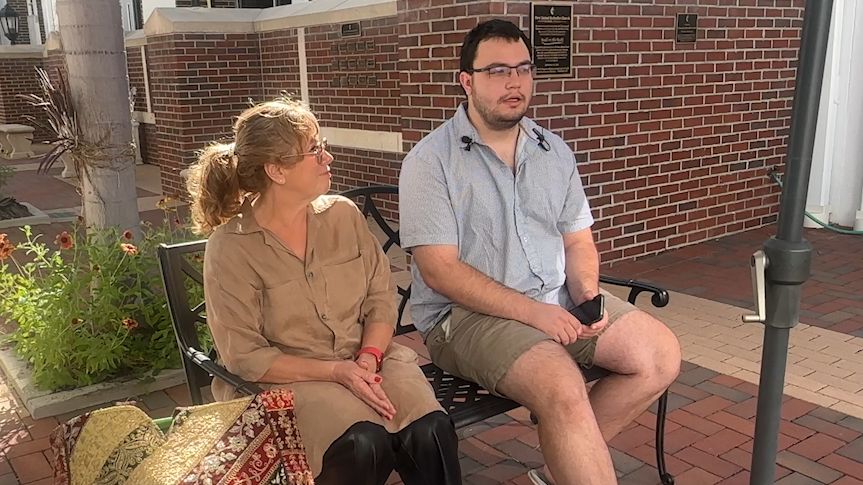
Igor Kostin shares his story of arriving in Florida in a rush to escape danger.
“My family and I left Ukraine just two hours before the borders closed,” he said.
He received help through the Southwest Florida Newcomer Immigrant Education Center, where volunteers guided him in learning English, making new friends, and adjusting to life in a new country.
“We opened another center in Sarasota. People like Kostin and his family were driving all the way from Sarasota to North Port to join our program,” Maya Lane, president of the SWFL Newcomer Immigrant Educational Center, said.
Zelenskyy said that the United States is offering Ukraine a 15-year security guarantee as part of the peace proposal.
Kostin feels that such a promise could finally bring stability.
“It could mean that the Russians won’t attack our country anymore,” he said.
Trump notes that Ukraine and Russia are “closer than ever before” to peace, although tensions still exist after Russia’s threats of retaliation following recent drone attacks.
For Kostin, the uncertainty is emotionally and personally draining. He misses friends still caught in the war and carries the heavy feeling of leaving his homeland behind.
“From my point of view, how I see the end of the war, I could say I would like that everything could have been back to Ukrainian territory as it was in the year 1992. But, I feel I do not have a right to say this because I’m safe,” said Kostin. “I’m not in the part of Ukraine where it’s bombing every day, you know, So the people who live there, they know the better answer, what they would like to have right now, because I think most of them, they would like just to have peace.”
Despite these hardships, many Ukrainians in Florida are starting anew, often with very little.
“Many people have to begin all over again. Very few find jobs in their professions,” Lane said.
Kostin considers himself lucky — he had to leave Ukraine just a year before completing his bachelor’s degree but returned to school in the U.S., found a full-time job, and now volunteers with the same organization that helped him rebuild his life.
“I’m learning how to start from zero here,” he said.
As peace talks continue, families like Kostin’s remain hopeful — cautiously optimistic — that the discussions unfolding in Florida might one day bring lasting peace and safety for loved ones still overseas.