
The first Black Bear hunt in Florida in a decade is in the books, ending Sunday after three weeks in four primary bear zones in the state, yet few to no details have been revealed.How many bears were harvested? It remains unclear how many bears were harvested in the hunt. The state has not reported the numbers, and it’s unclear if they are planning to do so. What we know At least one local hunter was successful in his quest to shoot and harvest a bear. “It was a sow, a 300-pound sow that I shot,” said Jason Howard, one of the people who first needed a whole bunch of luck to capture one of the 172 tags authorizing the hunting and harvesting of one bear each. After spending a week in the Ocala National Forest, he shot this bear, harvested the meat and has already had a meal with family and friends. “I hope they allow us to continue to hunt them. Same number of tags, more number of tags, less number of tags, it doesn’t matter to me. I just want to see them continue with the bear hunt,” Howard said.Chuck O’Neal, an attorney with “Speak Up Wekiva,” an environmental protection group that opposed the hunt, says he’s been frustrated that the state has yet to release details of the hunt, which was approved by the Florida Fish and Wildlife Conservation Commission (FWC) in August. “To this date, we’ve been in the dark,” O’Neal said in an interview with WESH 2 on Monday. FWC said a small, regulated hunt would help to lower and manage the bear population. But in the last bear hunt, in 2015, opponents were allowed to observe the harvest at check-in stations. This year, FWC had hunters make an appointment for a biologist to show up and record vital statistics and other information. O’Neal added, “How can you trust an agency that’s been ignoring you, gaslighting you, basically bullying you since the day they started with this idea of a bear hunt, back in December of last year.” For people who were honest and bold enough to speak with WESH 2, both for and against the bear hunt, their unfortunate reward was harassment by people on social media platforms and even phone calls. Howard played one of the calls he got, some of which were too vulgar for us to reveal. In another part of the message, a voice appearing to belong to a man said, “You know I think people like you, I’ll put you up for target practice in the woods instead of shooting these bears.” Howard reacted this way, “I should be able to do it (hunt) without harassment. O’Neal, who says bear hunt opponents have also been harshly criticized for winning tags in the bear lottery and electing not to use or share them, agrees with Howard, adding, “There’s no call for that in either direction.” Roughly three dozen permits were claimed by people who chose not to harvest bears. An FWC spokesperson told WESH 2 that more details about the hunt may be released on Tuesday.
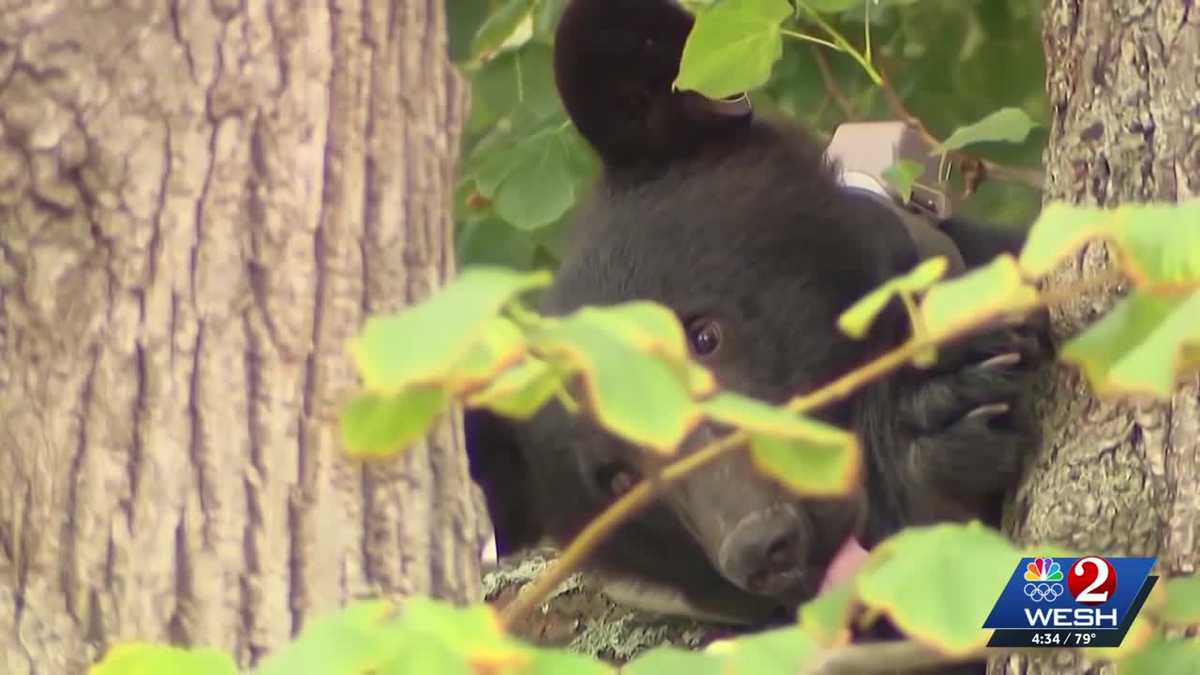
The first Black Bear hunt in Florida in a decade is in the books, ending Sunday after three weeks in four primary bear zones in the state, yet few to no details have been revealed.
How many bears were harvested?
It remains unclear how many bears were harvested in the hunt. The state has not reported the numbers, and it’s unclear if they are planning to do so.
What we know
At least one local hunter was successful in his quest to shoot and harvest a bear.
“It was a sow, a 300-pound sow that I shot,” said Jason Howard, one of the people who first needed a whole bunch of luck to capture one of the 172 tags authorizing the hunting and harvesting of one bear each.
After spending a week in the Ocala National Forest, he shot this bear, harvested the meat and has already had a meal with family and friends.
“I hope they allow us to continue to hunt them. Same number of tags, more number of tags, less number of tags, it doesn’t matter to me. I just want to see them continue with the bear hunt,” Howard said.
Chuck O’Neal, an attorney with “Speak Up Wekiva,” an environmental protection group that opposed the hunt, says he’s been frustrated that the state has yet to release details of the hunt, which was approved by the Florida Fish and Wildlife Conservation Commission (FWC) in August.
“To this date, we’ve been in the dark,” O’Neal said in an interview with WESH 2 on Monday.
FWC said a small, regulated hunt would help to lower and manage the bear population.
But in the last bear hunt, in 2015, opponents were allowed to observe the harvest at check-in stations.
This year, FWC had hunters make an appointment for a biologist to show up and record vital statistics and other information.
O’Neal added, “How can you trust an agency that’s been ignoring you, gaslighting you, basically bullying you since the day they started with this idea of a bear hunt, back in December of last year.”
For people who were honest and bold enough to speak with WESH 2, both for and against the bear hunt, their unfortunate reward was harassment by people on social media platforms and even phone calls.
Howard played one of the calls he got, some of which were too vulgar for us to reveal. In another part of the message, a voice appearing to belong to a man said, “You know I think people like you, I’ll put you up for target practice in the woods instead of shooting these bears.”
Howard reacted this way, “I should be able to do it (hunt) without harassment. O’Neal, who says bear hunt opponents have also been harshly criticized for winning tags in the bear lottery and electing not to use or share them, agrees with Howard, adding, “There’s no call for that in either direction.”
Roughly three dozen permits were claimed by people who chose not to harvest bears. An FWC spokesperson told WESH 2 that more details about the hunt may be released on Tuesday.