


365 Focus Photography/Shutterstock
We may receive a commission on purchases made from links.
It’s no secret that living in Manhattan is pricey. The average cost of living is 83% higher than the rest of New York and more than 130% higher than the national average, according to apartment search website RentCafe. While it’s been said that a single person needs to earn six figures a year to live comfortably in the Big Apple, it is possible to live there for far less — even $55,000 a year, though it only works if you’re willing to stick to a strict budget. Some things you can do to make the budget work include finding an apartment that won’t break the bank and learning strategies to keep your food, transportation, and entertainment costs to a minimum. While you may not be living the most lavish lifestyle, it is possible to live frugally without sacrificing your quality of life.
Twenty-six-year-old bookstore manager, Eileen Tyrrell is one example of someone who has managed to make it work, getting by on just $53,000 a year. While keeping costs to a minimum hasn’t been easy, it’s a challenge that’s been worth taking on. “People ask me all the time how it’s possible to live here on that income … It’s hard, but it’s so worth it,” Tyrrell told CNBC Make It. “It’s okay that I’m living on this tight budget,” she said, adding, “Where I’m at right now is so rewarding and so meaningful.”
1. Reign in your rent

Fotodelux/Getty Images
The average rent of a studio apartment in Manhattan is just under $4,000, with one-bedrooms costing more than $5,200, per RentCafe. Given these numbers, it should come as no surprise that rent is by far the biggest expense for most Manhattanites. In fact, New Yorkers spend more than half their median household income on rent — more than any other city nationwide, according to WalletHub. While low-cost rentals may be scarce, there are ways to find a place that won’t bust your budget.
One way to avoid paying too much in rent is to live with a roommate — or two. The average two-bedroom costs around $7,500 per month. Splitting that would bring the payment down to $3,750. Sharing a 3-bedroom, which averages $10,200, would make monthly payments less than $3,400 per person. While paying $42,000 to $45,000 a year on rent alone probably isn’t feasible on less than $55,000, certain neighborhoods may provide better deals. For instance, in Washington Heights, the average rent is around $2,700 per month, or $32,400 per year. Rent-stabilized apartments may also offer lower prices. Accounting for roughly half the apartments in New York City, these apartments cap rent increases, keeping prices lower. Eileen Tyrrell, who shares a three-bedroom rent-stabilized apartment in Chelsea, pays less than $1,600 per month. If cohabitating isn’t an option, subletting may be your best bet. When a tenant needs to relocate, rather than break the lease, they often sublet to cover some or all of the rent — frequently at a discount. To find a sublet, Facebook groups, Reddit threads, and websites such as Leasebreak.com and June Homes are good sources.
2. Refrain from rideshares
Nycshooter/Getty Images
The cost to get around Manhattan can vary dramatically, depending on your mode of transport. While walking everywhere is always the most budget-friendly option, it’s not always possible or practical. In those cases, public transportation can be a convenient, low-cost alternative, which is why it’s the most popular form of transportation for commuting New Yorkers, regardless of income. Currently, the fare for most people to ride the subway or bus in New York City is $3 (though the price for express buses is significantly higher at $7.25). Two trips per day will run you about $180 per month or $2,160 for a year, which comes out to just under 4% of a $55,000 income. Biking is another budget-friendly option. If you don’t own a bike, purchasing a one-year Citi Bike membership costs about $220 for unlimited rides, though the rides must be less than 45 minutes to avoid additional fees.
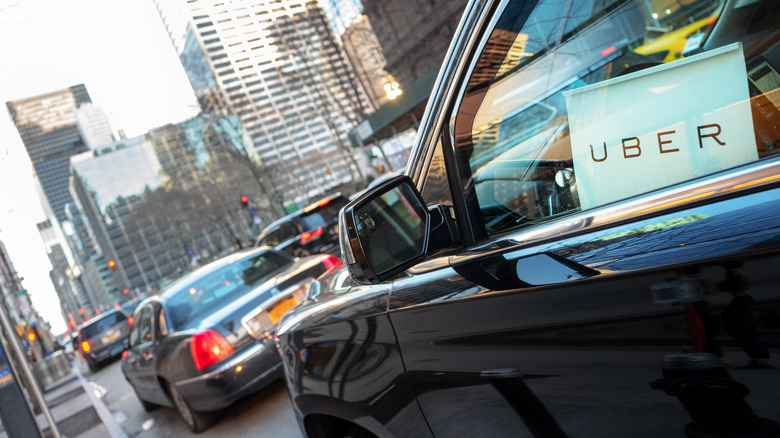
If you need to take a car, a taxi may be your best bet since the fares are consistent regardless of when you take it. This is different than rideshares, such as Uber and Lyft, which use dynamic (or surge) pricing that increases rates — often significantly — during times of high demand. If a rideshare is the only option, make sure you know the tricks to save money on Uber and Lyft that actually work, such as avoiding peak times, comparing prices between different rideshare companies, carpooling with other passengers, and subscribing to their rideshare membership programs to receive discounts and cash back.
3. Go with low-cost grocers
Here Now/Shutterstock
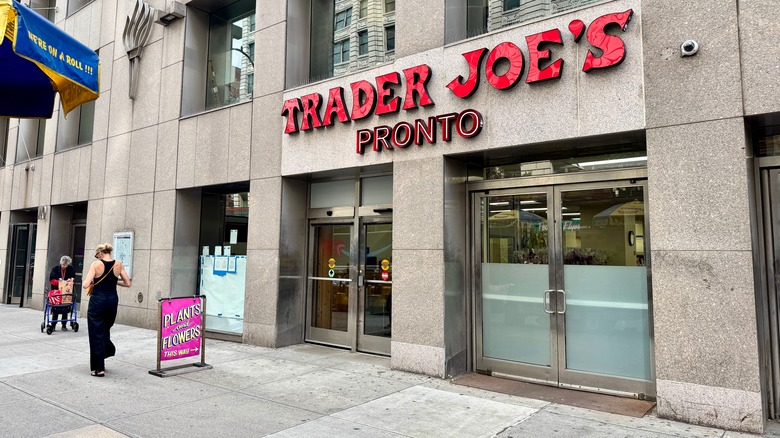
Like everything else, the price of groceries in Manhattan is much higher than in much of the country — about 18% more, according to Kiplinger — which can make it hard to keep food costs down. There are, however, ways to manage it. As a general rule of thumb, food costs should account for about 10% to 15% of your income. For someone earning $55,000, that comes out to $5,500 and $8,250 per year, or roughly $458 to $688 per month. To stay within that budget, shopping at lower-cost grocery stores such as Trader Joe’s, Aldi, or CTown will help. Food delivery serviceAmazon Fresh is another good option that also allows you to earn cash back if you use an Amazon credit card.
Another good cost-cutting hack is to use the Too Good To Go app, which lets you purchase a “surprise bag” of unsold food from local restaurants, bakeries, delis, and grocery stores at highly discounted prices. Many bags are priced at $4 to $10 and provide enough food for multiple meals. Pizza places and bagel stores are particularly prevalent on the app, though there is a variety of cuisines to choose from. If you need to keep food costs down, one expense you should avoid altogether is restaurant delivery services such as DoorDash, Seamless, or UberEats. Due to markups and added fees, the amount spent on these food delivery services is often significantly higher than the cost to purchase the food directly from the restaurant.
4. Find free entertainment

Murat Kucukkarakasli/Getty Images
If you’re on a tight budget, entertainment may seem like the obvious expense to cut. But for many people, it’s one of the reasons they moved to Manhattan in the first place. While it’s unrealistic to forgo it entirely, there are plenty of budget-friendly ways to indulge in the city’s entertainment scene on a shoestring. “When you think of New York, you think of all of these amazing experiences, and you think of going to a Broadway show, and then going to a club after that, and then doing brunch at an amazing restaurant the next day,” Eileen Tyrrell told CNBC, adding, “When you live here, you can’t live like that.”
If your finances are tight, entertainment should account for less than 10% of your budget. On a budget of $55,000 a year, that comes to $5,500 per year, or $458 per month. But just because you need to keep these costs down doesn’t mean you can’t get your fill of fun. If you’re into music, there are various free concerts held around the city during the warmer months. There are plenty of other free city events as well, including street fairs, movie screenings, fitness classes, and exhibitions. During the colder months, you can ice skate for free at Bryant Park (with your own skates) and though some museums can be tourist traps, several offer free admission. You can also access free events through Culture Pass, which you can get with a library card from the New York, Brooklyn, or Queens public libraries. If restaurants are your thing, the city’s semi-annual Restaurant Week offers great dining deals, and many restaurants and bars have great happy hour deals.