
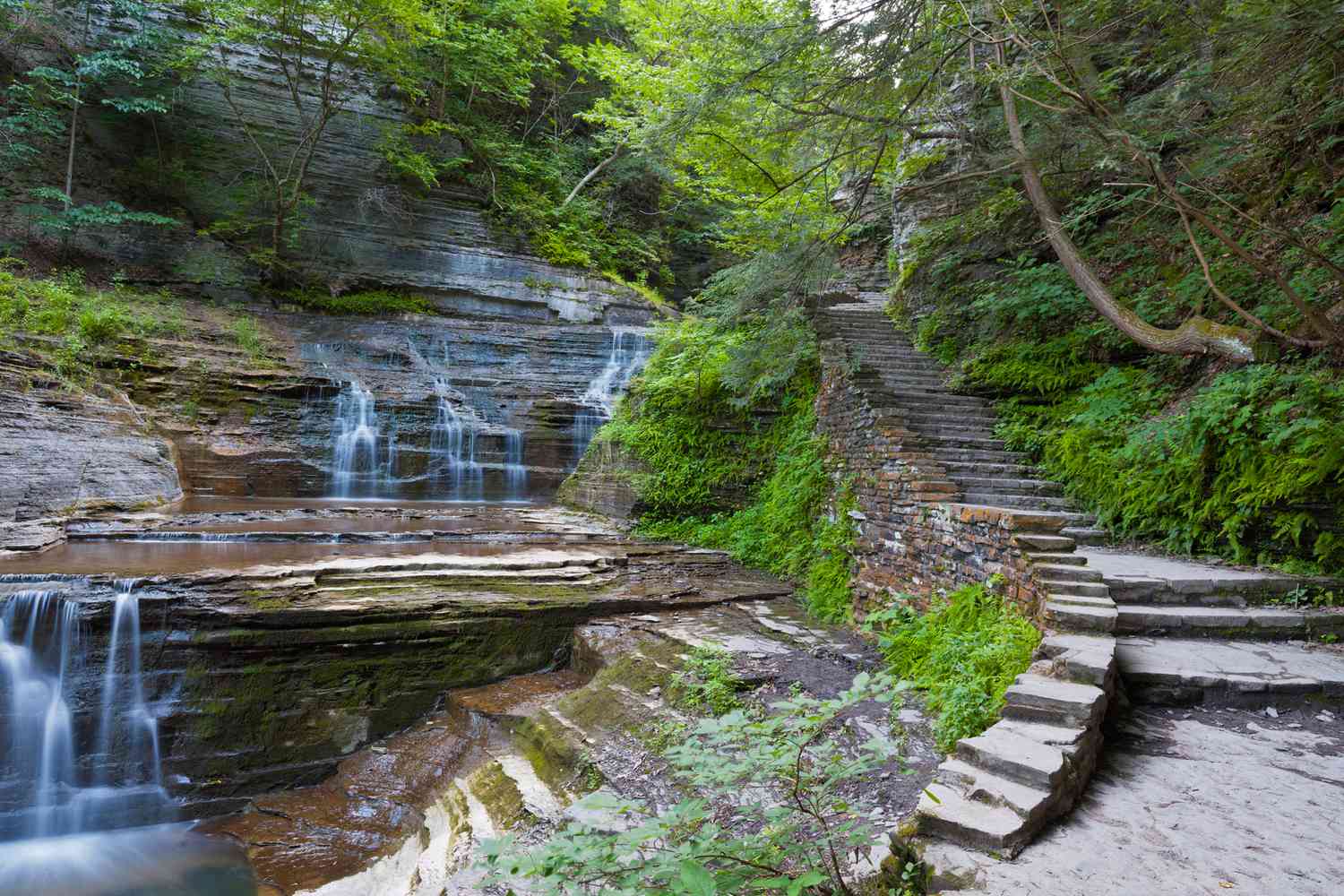
Ithaca, New York, is celebrated for its spectacular waterfalls, gorges, and scenic views of Cayuga Lake.The Finger Lakes hub offers a diverse range of dining options and purportedly has more restaurants per capita than NYC.Ithaca’s vibrant cultural scene includes original music, locally produced craft beverages, and unique art experiences.
In the heart of the Finger Lakes region, Ithaca offers visitors the chance to explore stunning natural attractions and vibrant local culture. Known for its cascading waterfalls, breathtaking gorges, and sweeping views of Cayuga Lake, it’s a perfect destination for nature lovers. It’s also said to have more restaurants per capita than New York City.
“Original art, original music, locally grown foods, locally produced craft beverages—this is who we are and what we appreciate, and we want to share it with everyone who visits Ithaca,” said Peggy Coleman, president and CEO of the Tompkins Chamber & Visit Ithaca, in an interview with Travel + Leisure. Ithaca is a great starting point for travelers looking to explore the popular Finger Lakes wine trails. There are a number of local wineries lining the nearby lakes, many specializing in riesling, which the region is known for because it has a similar growing climate to Germany.
Ithaca is often likened to cities like Boulder, Colorado, or Burlington, Vermont, because of its independent, bohemian spirit. It’s a lively, diverse destination, and a college town—home to both Cornell University and Ithaca College. Here’s how to explore this city, where “gorges” puns run rampant, and you’re never more than stumbling distance from a great hike.
Best Hotels
Courtesy of Inns of Aurora
Coleman said she’s seen an explosion of short-term rentals in the past decade, and even more unique accommodations like farm-stay experiences as the tourism industry grows. She mentioned the Canopy by Hilton Downtown Ithaca as a popular option for visitors who want to be centrally located.
Argos Inn is located just off the Ithaca Commons, with 13 rooms and one of the best cocktail bars in town in the lobby. This historic inn feels elegant yet cozy: a tucked-away retreat within walking distance of downtown Ithaca. About a 30-minute drive outside of town, the Inns of Aurora Resort & Spa is a campus of six high-end, peaceful inns located right on Cayuga Lake. The Inn at Taughannock Falls is another cozy retreat near the lake and is a popular spot for weddings and large events.
For those looking to embrace all the natural beauty Ithaca has to offer, Firelight Camps has glamping tents, with nearby trails leading directly to some of the best waterfalls in town. “Sitting with a cocktail by the evening campfires blazing near our lobby tent is a really fun, casual social atmosphere,” Firelight Camps CEO Robert Frisch told T+L. “Then, walking down the paths to your tent in the woods, and waking in the morning to birdsong is super relaxing and unique.”
Frisch said he has been lucky to see the tourism industry blossom over the past decade he’s been in business in Ithaca. “We’ve seen a huge boom in development in the urban downtown, but also a continued focus on outdoor experiences,” he said. “I’ve been so impressed with the city and town’s focus and commitment to growing in an intentional, sustainable manner.”
Things to Do
Jitalia17/Getty Images
Some of Ithaca’s best attractions are its waterfalls and gorges, including popular spots like Buttermilk Falls and Taughannock Falls state parks, which both feature cascading waterfalls surrounded by verdant forests. Coleman recommends the centrally located Cascadilla Gorge Trail, right off the Commons, as well as Mulholland Nature Preserve. “I like that I can be surrounded by nature just a few minutes from downtown,” she said. “I also like to visit the Covered Bridge in Newfield—there’s a cute little shop right next to the bridge, the Covered Bridge Market, where I like to grab a snack or picnic to go.” One of Frisch’s favorite local getaways is East Shore Park on the lake, a popular spot for families and barbecuing. If you’re a birder, you’ll especially enjoy the easy trail through Sapsucker Woods near Cornell University.
Frisch also recommends seeing live music at one of Ithaca’s smaller venues, like Deep Dive and The Downstairs. The State Theatre of Ithaca is another popular stop for shows, and the Hangar Theatre is great for musicals.
Families looking for an engaging list of activities can check out the Discovery Trail, a path through town that strings together some of Ithaca’s best kid-friendly attractions, like the Sciencenter, Cayuga Nature Center, Cornell Botanic Gardens, and Museum of the Earth. Stick around for the Ithaca Farmers Market, which operates every weekend from April to December and Saturdays from January to March. Vendors include local craftspeople, farms with fresh produce, and local wineries. This open-air marketplace, along the Cayuga inlet, has been a staple of the town since 1973.
Best Restaurants
Ithaca is home to a wide range of options that cater to every palate, with hundreds of local restaurants showcasing almost every type of cuisine. Moosewood is one of the most famous Ithaca establishments, known for its delicious vegetarian and vegan dishes, using locally sourced ingredients. This spot has been a staple in the Ithaca community since the ’70s. Other great dinner options include The Heights, near Cornell University, which serves high-end Mediterranean-inspired cuisine, and Le Café Cent-Dix, on The Commons, loved for its elegant French-inspired fare. Frisch named Gola Osteria as his top spot in town for a nice dinner out, and Lev Kitchen on the Commons for a more casual meal.
Visitors can also head to the Ithaca Beer Company taproom to enjoy a seat outside while dining on a robust farm-to-table menu and sampling brews made with local hops. For lunchtime sandwiches and breakfast options, find the nearest Ithaca Bakery or Collegetown Bagels (call it CTB to sound like a local)—there are several throughout town.
For dessert, make sure to stop at Purity Ice Cream. Operating in Ithaca since 1936, it offers a mix of classic and unique flavors. You can also find frozen treats on the west side of Cayuga Lake—particularly at Cayuga Lake Creamery, which also has a location just off The Commons.
Best Wineries and Cideries
Ithaca is a major wine and cider destination. On your journey to taste the best fermented fruit beverages in the region, be sure to stop by the view-packed tasting room at Six Mile Creek Winery & Distillery, known for its award-winning cabernet franc and live music on Thursdays in the summer. Oenophiles can find more wineries, like Americana Vineyards and Thirsty Owl Wine Company, on the west side of Cayuga Lake.
Coleman says the Ithaca craft cider scene has expanded in recent decades and “is finally being recognized for the high quality being produced here.” South Hill Cider is one of Coleman’s favorites. The grain salads are as light and refreshing as the crisp, bubbly Baldwin cider. There are also special events, like live music and yoga classes, on weekends during the summer. Finger Lakes Cider House is a worthwhile stop on Cayuga Lake, and Bellwether Hard Cider & Wine sells at the Ithaca Farmers Market.
Best Time to Visit
kickstand/Getty Images
Ithaca offers year-round adventure. In spring, the waterfalls roar to life thanks to the snowmelt, and generally flow from May until early October. In the fall, colorful foliage, milder temperatures, and fewer visitors make for a relaxing respite. And despite the colder temperatures, winter can be especially beautiful, with frozen lakes, falls, and winter activities like snowshoeing. Summer is certainly the most popular time to visit, with warm weather and plenty of outdoor activities. The college students clear out in the summer, too, which makes the area surprisingly crowd-free.
Ithaca also has many seasonal festivals and celebrations. These include Porchfest, a music-fueled block party held in late summer or early fall in the Fall Creek neighborhood. Autumn’s Apple Harvest Festival brings together cider-makers and local farmers for a celebration of all things apple (the cider donuts are a can’t-miss). In March, the annual Downtown Chili Cook-Off offers plenty of hot, delicious samples to warm up in the frigid upstate air. Check out Downtown Ithaca’s calendar of events for more information.
How to Get There
Visitors can fly into Ithaca Tompkins Regional Airport (ITH), which offers convenient access to the town and surrounding areas. The airport operates nonstop flights to and from New York City (JFK) and Washington, D.C. (IAD) via United Airlines and Delta Air Lines. If that’s too limited for your travel plans, fly into Syracuse Hancock International Airport (SYR), which is about an hour’s drive from Ithaca and has a wider range of flight options.
From New York City, the drive up to Ithaca can take about 4.5 hours. Because of the large college population, there are also frequent bus routes into Ithaca from NYC. You’ll find a Greyhound station and Cornell’s campus-to-campus bus service, which is available to the public.
Neighborhoods to Visit
DenisTangneyJr/Getty Images
The Commons: Downtown Ithaca is where visitors will find the pedestrian-friendly blocks known as The Commons, home to tons of restaurants and shops.
Collegetown: Situated just outside of Cornell University is Collegetown, with a number of bars and eateries. Visitors who hike up the Cascadilla Gorge Trail can reward themselves with a delicious beer or bagel at CTB, mentioned above.
South Hill: South Hill is where you’ll find Ithaca College, with Buttermilk Falls State Park flanking the west side, and Six Mile Creek natural area to the east.
Fall Creek: This charming neighborhood has its namesake creek, homes of every shape and size, tree-lined streets, and the gorges—sorry, I had to—Ithaca Falls.
How to Get Around
Once in Ithaca, most visitors will find that having a car offers the most flexibility. The town also has a robust bus system called the TCAT that runs frequently.
Rideshare services are available, but with fewer drivers than in larger cities, it can take quite a while to get an Uber, so make sure to schedule rides ahead of time if possible. For larger groups wanting to safely dive into all the Finger Lakes wineries have to offer, there are a number of bus and shuttle companies in the area. Make sure to check each winery’s group policy before arrival. You can find recommended group transportation services from the Finger Lakes Wine Country Tourism Association and the Finger Lakes Tourism Alliance.