
NEED TO KNOW
Sara Mearns is a principal dancer with the New York City BalletThe latest in the PEOPLE Stories video series highlights her career and the discovery of her hearing loss”I was completely spiraling down. I didn’t want to go to the studio. I didn’t wanna perform. I was at the top of my game, but I was walking to work crying every day,” she shares
“When you’re going through it, it almost seems impossible — including my hearing loss. You do not see the light at the end of the tunnel,” Sara Mearns shares with PEOPLE.
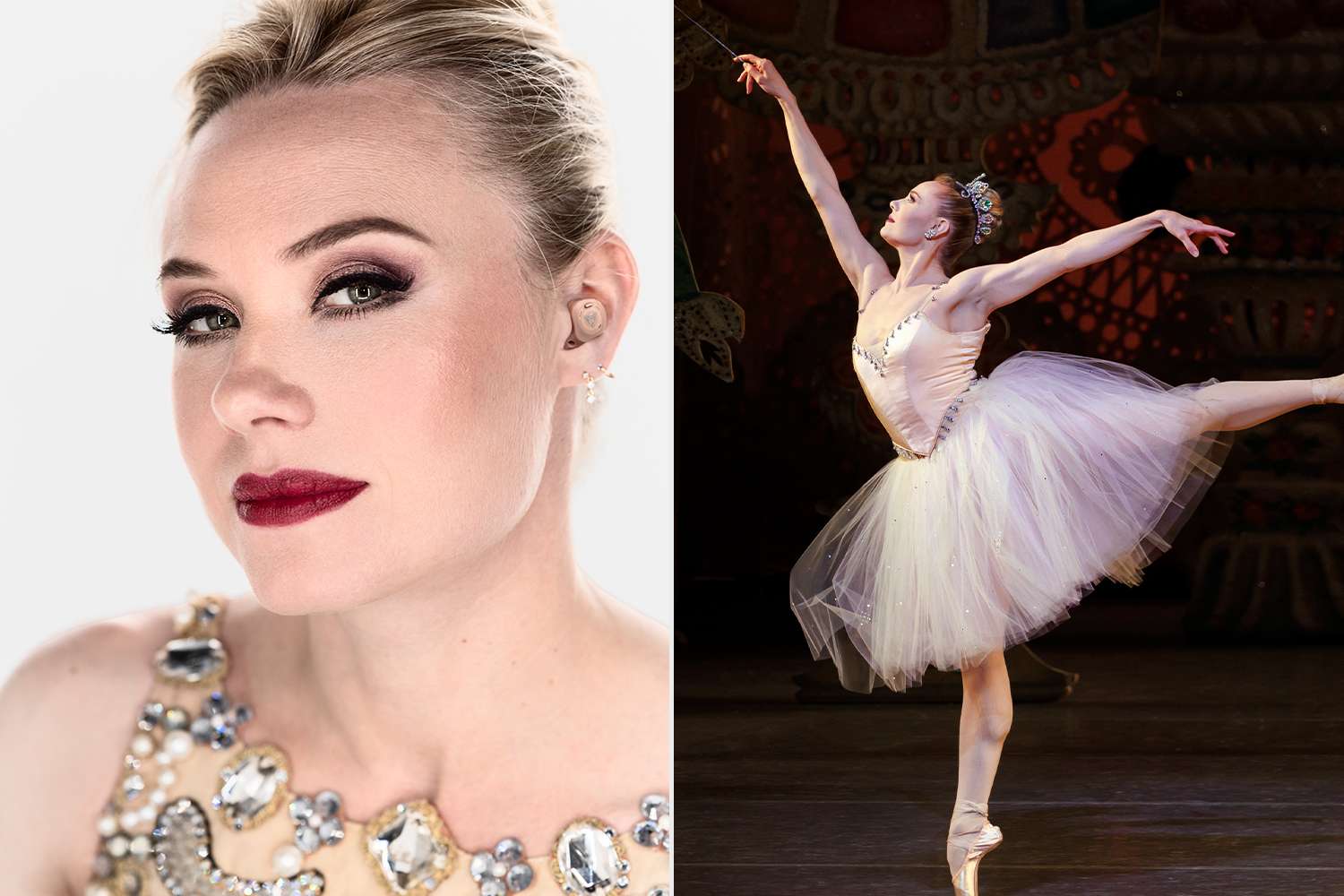
Mearns, 39, is a New York City Ballet principal dancer and has been dancing since she was 3 years old, and she’s the first performer in the NYC Ballet company to wear hearing aids.
In 2014, Mearns attended a rehearsal of Carnival in Brazil. The rehearsal was in a big metal gym with 100 drummers, and when Mearns came out, she wasn’t able to hear anything for days. It was the first time she noticed something was wrong with her hearing.
In the video for People Stories, Mearns talks about her struggles with hearing loss and her journey to find her way back. The video takes viewers into a real day in the life of a working professional ballerina, doctor’s visits with her audiologist, Dr. Marta Gielarowiec, to fit her Phonak hearing aids, her work with choreographer Jodi Melnick and her commitments to the New York City Ballet at the height of Nutcracker season.
“I think I pushed myself to this level of perfectionism that’s, like, impossible. I was always known as a very musical dancer. I study the music that I dance to. I go and listen to it at the Philharmonic or Carnegie Hall because without that music, I can’t do what I do. I realized I couldn’t hear anybody. I literally was missing everybody talking around me,” Mearns shares in the video.
Sara Mearns.
Sara Mearns
Before she was fitted for her hearing aids, the dancer shares that she was missing a lot of the cues from the orchestra.
“My partners had to, like, signal to me what I can’t hear. I was always exhausted all the time from, like, having conversations, talking to people, trying to hear people, trying to hear the music. It was just, like, it was so draining. When you’re self-conscious about being in a room with people and knowing that you’re not gonna hear their conversation or you’re not gonna hear the joke, you shy away from everybody and everything in your life,” Mearns shares.
During the pandemic, she realized that she couldn’t hear people when they were wearing their masks. She realized how isolating it was to not be able to hear people, the cues from her music, and the world around her.
“I was spiraling. I was completely spiraling down. I didn’t want to go to the studio. I didn’t wanna perform. I was at the top of my game, but I was walking to work crying every day. Why did I not feel grateful? Why was I not happy doing this? When you’ve worked every single day of your life to get here, that’s a problem. I sank even deeper into solitude. There was something wrong, but I couldn’t figure that out.”
She tells PEOPLE there was a moment when she was sitting on a bench in Central Park when she realized that no one was going to fix this for her. She had to “pick up the phone and ask for help.” Mearns decided then that she was going to get her hearing checked.
In 2020, Mearns was diagnosed with nerve hearing loss and worked with audiologist Dr. Gielarowiec to find the perfect pair of hearing aids that could keep up with her active career. She didn’t know how hearing aids would help her. She questioned if they would help her get her full hearing back, or if she’d be able to dance with them on.
Sara Mearns.
Erin Baiano
But four years later, when she found a pair that worked with her dancing career, she says she was able to “finally hear every single instrument and the power of it.”
“It was really emotional for me because I was facing something that was wrong with me. When my audiologist and I picked these Phonak hearing aids, I just thought it was so special that they’ve made something that somebody like me can wear. As a performer, they’ve given me part of my life back. My whole world just opened up.”
“It was really hard for me to understand okay, wait, I’m gonna have really bad things happen to me and I have to figure this out. I have to figure this out as an adult. You have to fail. Like, failure is part of the process,” she shares.
By utilizing the hearing aids during her rehearsals, she found she was no longer missing cues in the music and was finally able to nail some of the numbers she’d been struggling with.
“There was a ballet where I’d always gotten the counts wrong, always wrong, and I did the step right for the first time. The rep director came back, and she’s like, ‘Oh my God, you did it.’ And I was like, ‘I know. I can hear everything now,’ ” Mearns shares.