
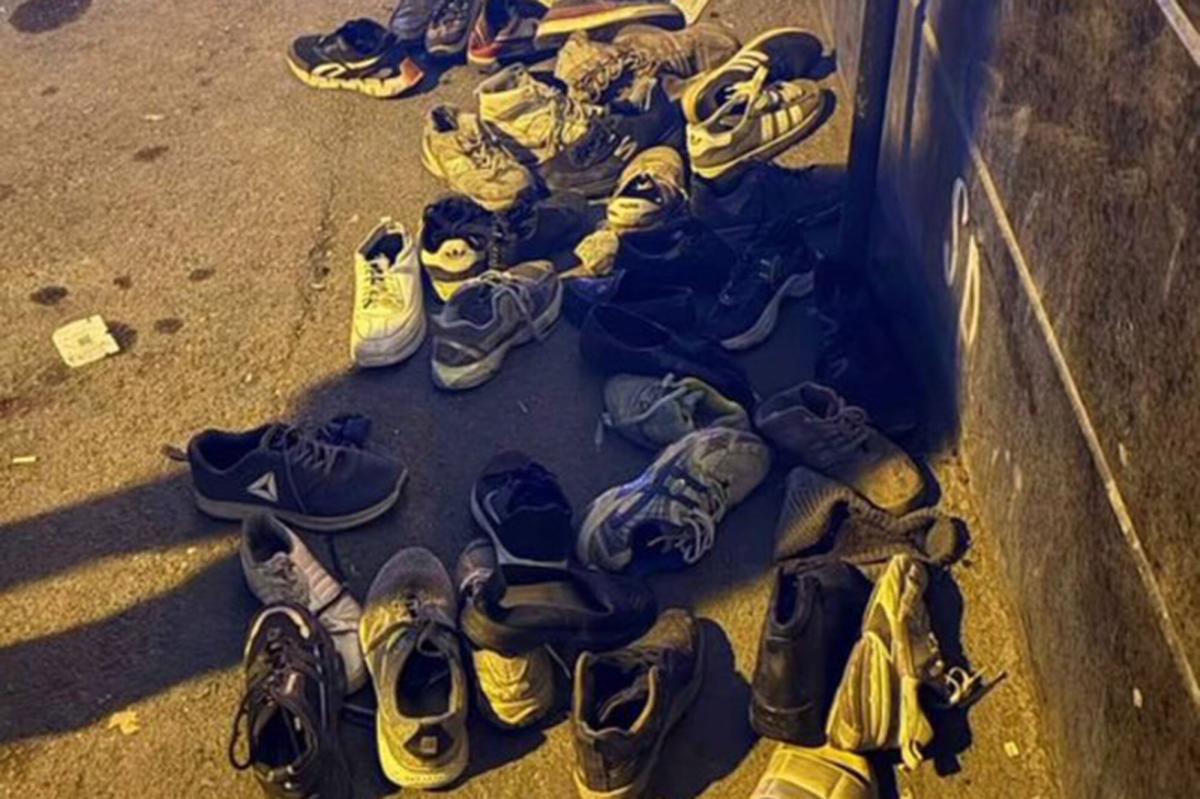
A haunting image shows a pile of abandoned shoes after Iran’s bloodthirsty regime trapped surrendering protesters in a historic bazaar and burned them alive — in what is being likened to “Iran’s Holocaust.”
The picture, taken in the city of Rasht, northwest Iran, shows the aftermath of the massacre on Jan. 8, in which regime henchmen set fire to the popular marketplace, trapping demonstrators inside and shooting those who tried to escape, according to eyewitness accounts and human rights organizations.
“If this is not a crime against humanity, what is?” said Arash Sigarchi, an award-winning journalist, former Iranian political prisoner and managing editor of Voice of America’s Persian Division, sharing the image on X.
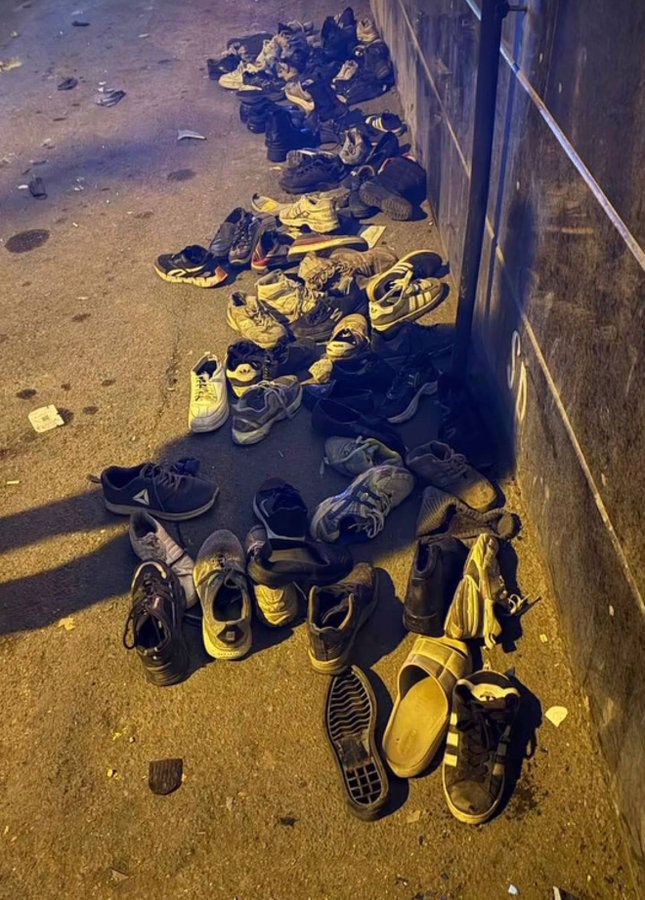 All these abandoned shoes belonged to protesters who were burned to death. X/sigarchi
He compared the picture to the display of victims’ shoes at the Holocaust Museum in Washington, DC, and branded the Iranian theocracy “Nazi-like.”
“These shoes in Rasht are not art,” Suren Edgar, vice president of the Australian-Iranian Community Alliance, also wrote on X, alongside the heartbreaking image.
“They belonged to people trapped after regime forces set the historic bazaar on fire and shot those trying to escape. The imagery is unmistakable — an Iranian Holocaust unfolding in real time.”
The victims of the Rasht massacre had reportedly surrendered to security forces before being slaughtered, according to Iran Human Rights (IHR), a Norway-based NGO.
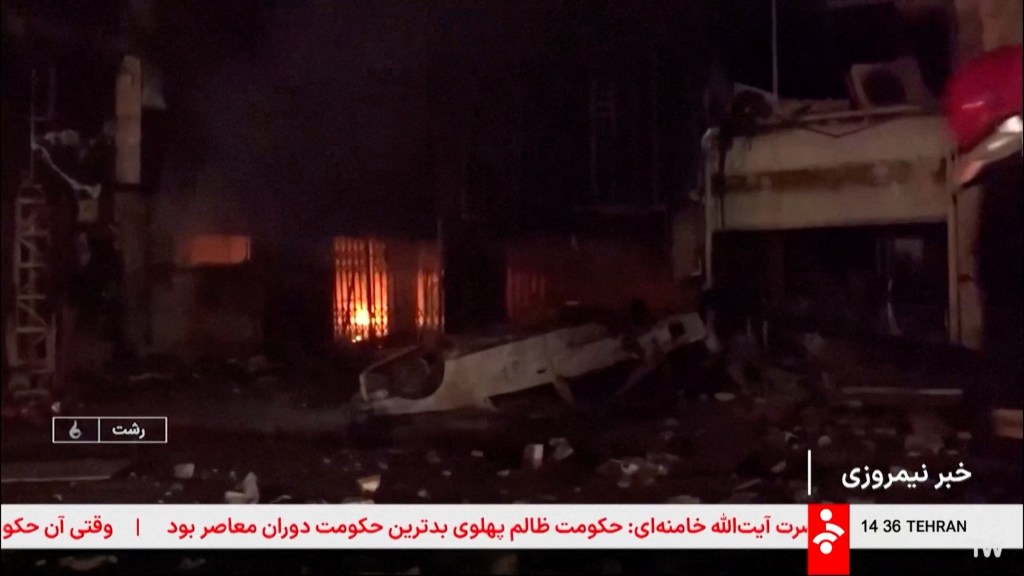 The picture shows the aftermath of the massacre on Jan. 8, in which regime henchmen set fire to the popular marketplace, according to eyewitness accounts and human rights organizations. via REUTERS
Footage of the aftermath, shared by the rights organization, also shows the burned-out, smoldering remains of the bazaar.
Iran remains under an internet blackout since Jan. 8, when authorities all but cut ordinary Iranians off from the outside world, allowing security forces to act with impunity.
“The mass killings started right after the internet blackout,” IHR’s founder, Mahmood Amiry-Moghaddam, told British newspaper the Observer.
Iran has remained under an internet blackout since Jan. 8, when authorities all but cut ordinary Iranians off from the outside world, allowing security forces to act with impunity.
“The mass killings started right after the internet blackout,” IHR’s founder, Mahmood Amiry-Moghaddam, told British newspaper The Observer.
Among the scenes of brutality that have emerged from behind the regime’s sensors is footage showing government forces firing on people in the capital, Tehran, on Thursday.
The disturbing video shows demonstrators running for their lives as they are sprayed with bullets during protests at the city’s Second Sadeghieh Square, VOA’s Persian news network reported.
Here is the latest on the civil unrest in Iran:
It comes as the death toll from the protests, which began last month initially in response to soaring costs of living, is now feared to have topped 16,000.
That alarming figure, far exceeding the roughly 3,000 verified by activist groups, was detailed in a new report from doctors on the ground, the UK’s Sunday Times reported.
A further 330,000 people are feared to have been injured, including many uninvolved civilians, as the Islamist regime brutally cracks down on this, the biggest show of dissent since the Islamic Revolution brought the Ayatollahs to power in 1979.