
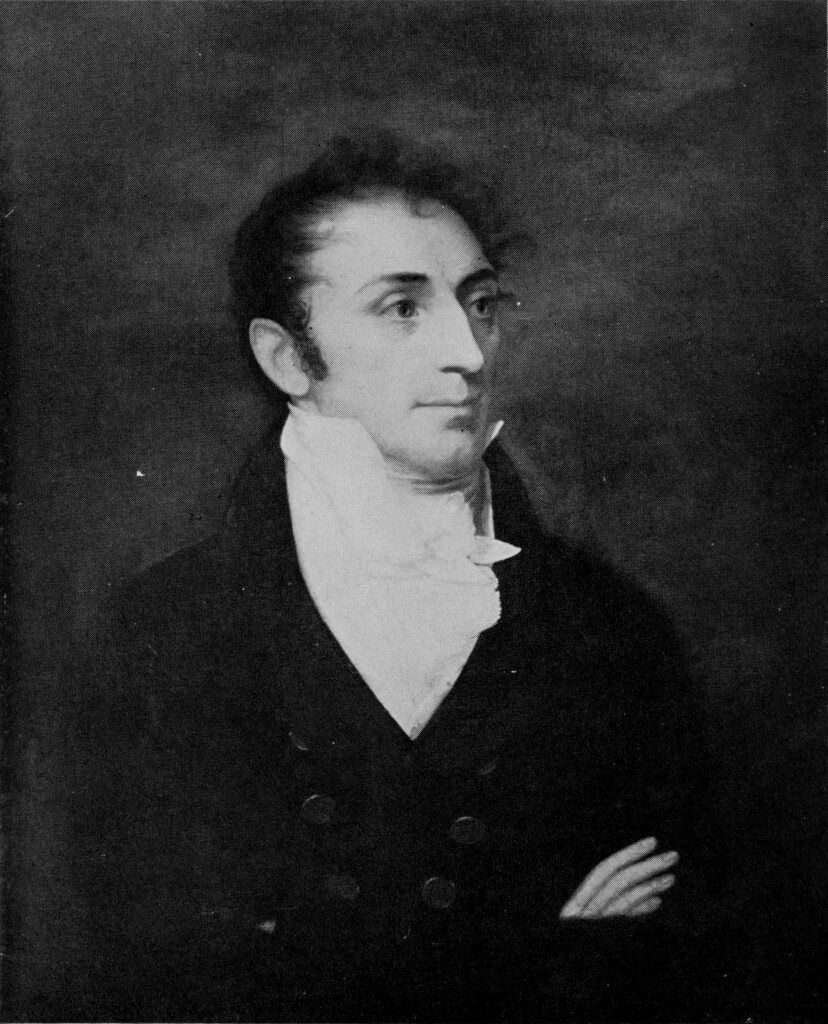
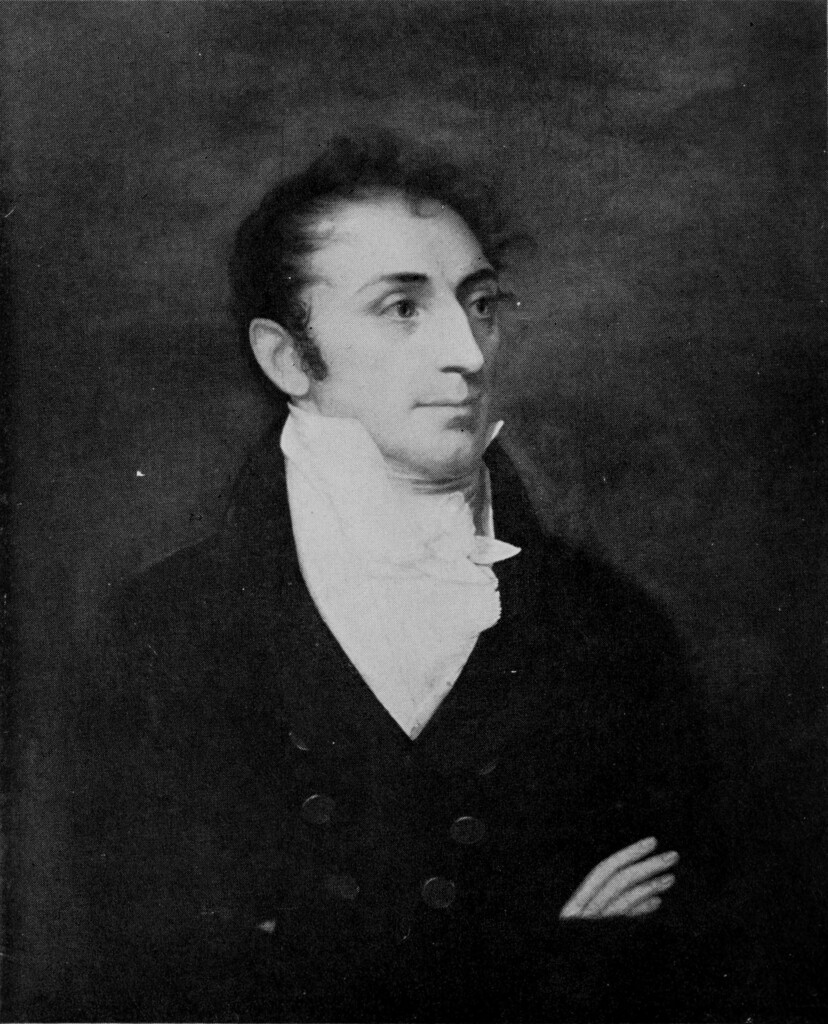
 (PHOTO: Peter Augustus Jay, painted by John Wesley Jarvis, 1839. Public Domain via Wikimedia Commons.)
RyeGPT People of Note is a series highlighting individuals who have a connection to the City of Rye. In the series we ask OpenAI’s ChatGPT to prepare a biography and explain the individual’s connection to Rye.
We welcome your feedback on this series – the use of artificial intelligence, the accuracy and usefulness of each article and your assistance in understanding other pertinent insights related to the person’s connection to Rye.
You can add comments at the bottom of each article or you can send feedback via Tips & Letters.
Peter Augustus Jay (1776–1843) was an American lawyer, diplomat, and public servant whose life bridged the founding generation of the United States and the country’s early national period. Best known as the eldest son of John Jay, the first Chief Justice of the United States, Peter Augustus Jay forged his own distinguished career in law and diplomacy while maintaining deep personal and familial ties to Rye, New York.
Early Life and Education
Born in New York City in 1776, the same year the Declaration of Independence was signed, Peter Augustus Jay grew up in a household steeped in public service and republican ideals. His father, John Jay, was a central figure in the American Revolution, a co-author of The Federalist Papers, and later Governor of New York. Raised amid diplomacy and politics, Peter received an elite education and graduated from Columbia College (now Columbia University), where he studied law and the classical curriculum typical of the era’s professional class.
Legal and Diplomatic Career
Jay was admitted to the New York bar and established himself as a respected attorney. His career, however, extended beyond private legal practice. From 1809 to 1814, he served as U.S. Minister to Spain during the administration of President James Madison. His tenure coincided with the turbulent years of the Napoleonic Wars and the lead-up to the War of 1812, requiring careful diplomacy to protect American commercial and strategic interests abroad.
After returning to the United States, Jay resumed legal and civic work in New York. Though he never achieved the same national prominence as his father, he was widely regarded as a capable lawyer, a thoughtful public servant, and a trusted figure within New York’s political and social circles.
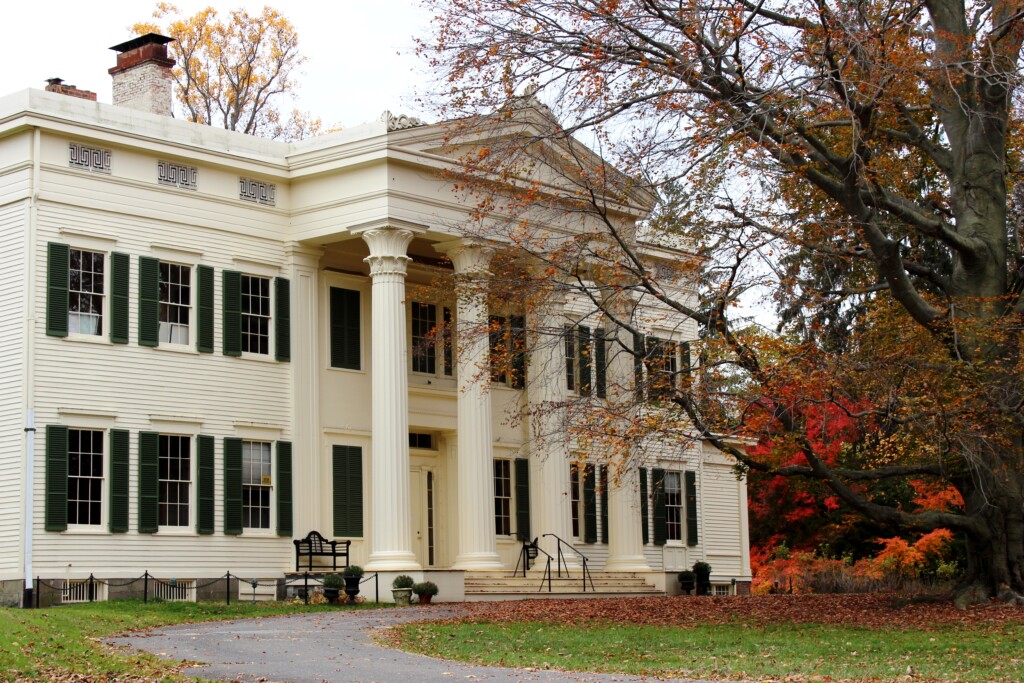 (PHOTO: 1838 Jay Mansion circa 2014. Public Domain.)
Connection to Rye, New York
Peter Augustus Jay’s connection to Rye was both familial and residential. Members of the Jay family owned property in Rye and the surrounding Westchester County area during the late eighteenth and early nineteenth centuries, a period when prominent New York families often maintained country estates outside the city. Among these holdings was the Jay Mansion, completed in 1838, where Peter Augustus Jay lived.
Rye’s association with the Jay family reflects the town’s historical role as a retreat for leading figures of the early republic. Through his presence there, Peter Augustus Jay became part of Rye’s broader legacy as a community linked to the nation’s founding generation and early legal tradition.
Later Life and Legacy
Peter Augustus Jay died in 1843, leaving behind a record of service that complemented—rather than merely echoed—that of his father. As a lawyer, diplomat, and resident connected to Rye, he exemplified the generation that carried forward the institutions and values established by the American founders.