
New York City is still feeling the impact of flu season, with more than 140,000 lab-confirmed cases so far. Over half have been in children under 18. The numbers are slowly declining, though more than 3,600 cases were reported for the week ending Jan. 17, according to data from the city health department.
“This flu season has been tough on families,” Dr. Michelle Morse, acting commissioner of the New York City Department of Health and Mental Hygiene, said in a press release dated Jan. 22. “Don’t let your guard down.” Flu seasons are unpredictable and can last through May, she said.
Other viruses are circulating too
• The rate of RSV infections remains highest among children.
• While COVID cases were lower in the week ending Jan. 17 than the previous week, hospital admissions for coronavirus were rising.
Seasonal viruses like these can cause serious illness, especially in kids, older adults and people with underlying health conditions.
How the US departure from WHO hurts NY
NYC is a hub for travelers, immigrants and millions of visitors each year. That’s why Dr. Morse warned New Yorkers about the broader risks of infectious diseases after the U.S. withdrew from the World Health Organization (WHO).
“Disease knows no boundaries — an outbreak abroad is an outbreak at home,” she said in a statement on Jan. 23, a day after the withdrawal became final. “NYC is often impacted first and hardest.”
Since WHO coordinates global surveillance for flu, coronavirus and other illnesses, the city’s health department may now get this information later or in more fragmented ways. This may slow detection of emerging threats that could affect New Yorkers. It may also interfere with the city’s planning for an outbreak response.
How the most recent flu shot fares against the newer strain
Researchers in the U.K. found some evidence that this year’s flu vaccine was more than 70% effective at keeping children out of the hospital. Last year’s flu season had hit a new record for flu-related deaths of children, with 289 reported nationwide. Of those, 89% hadn’t been vaccinated.
How to protect your family
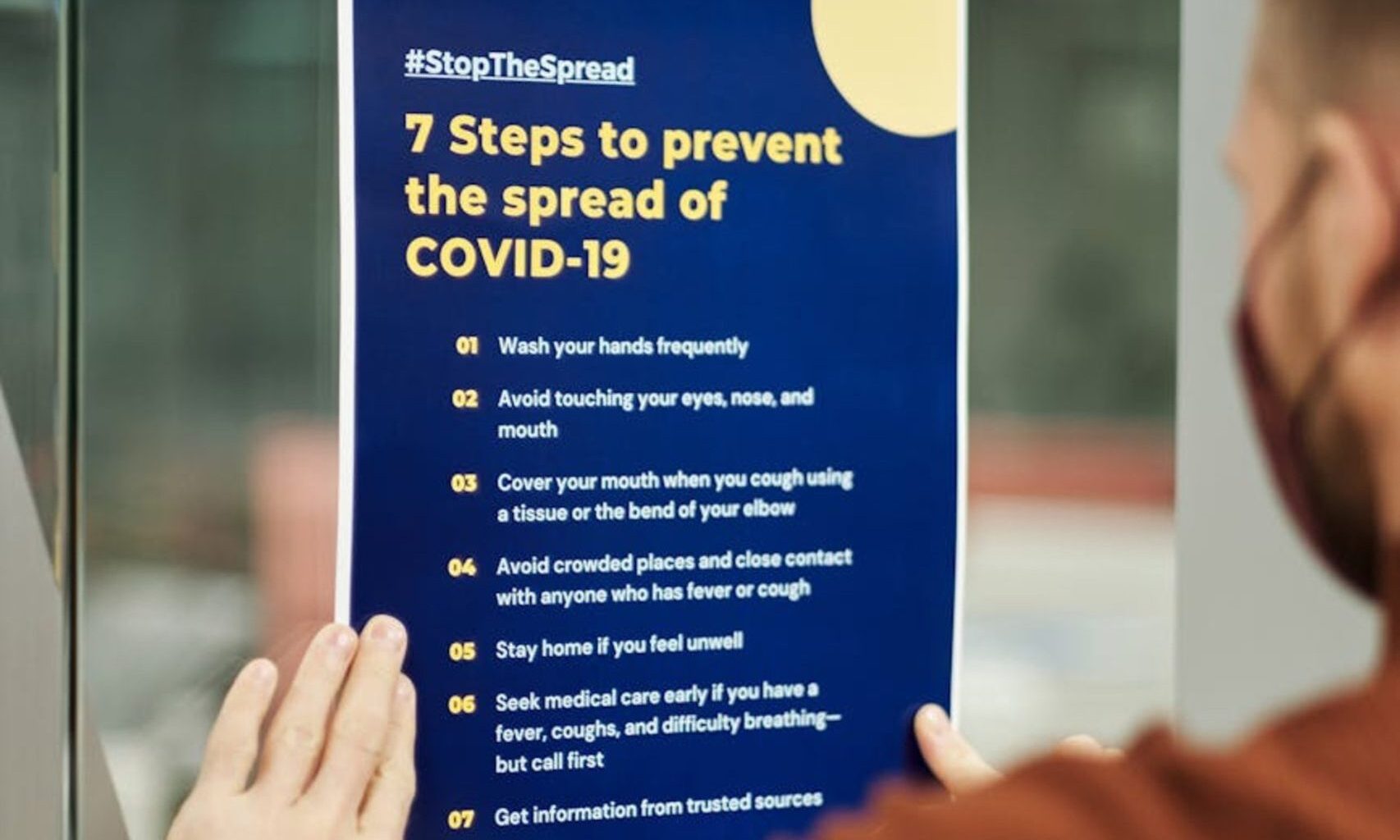
You may have seen more masked riders on your last commute. It’s just one of several familiar steps you can take to protect yourself and loved ones:
Get vaccinated for flu, COVID-19 and RSV if you’re eligible.
Stay home if you or your children are sick.
Mask up in crowded indoor spaces.
Wash your hands often and clean commonly touched surfaces.
Vaccines are widely available across the city, including free options for uninsured residents. Here’s where to find some of them.