
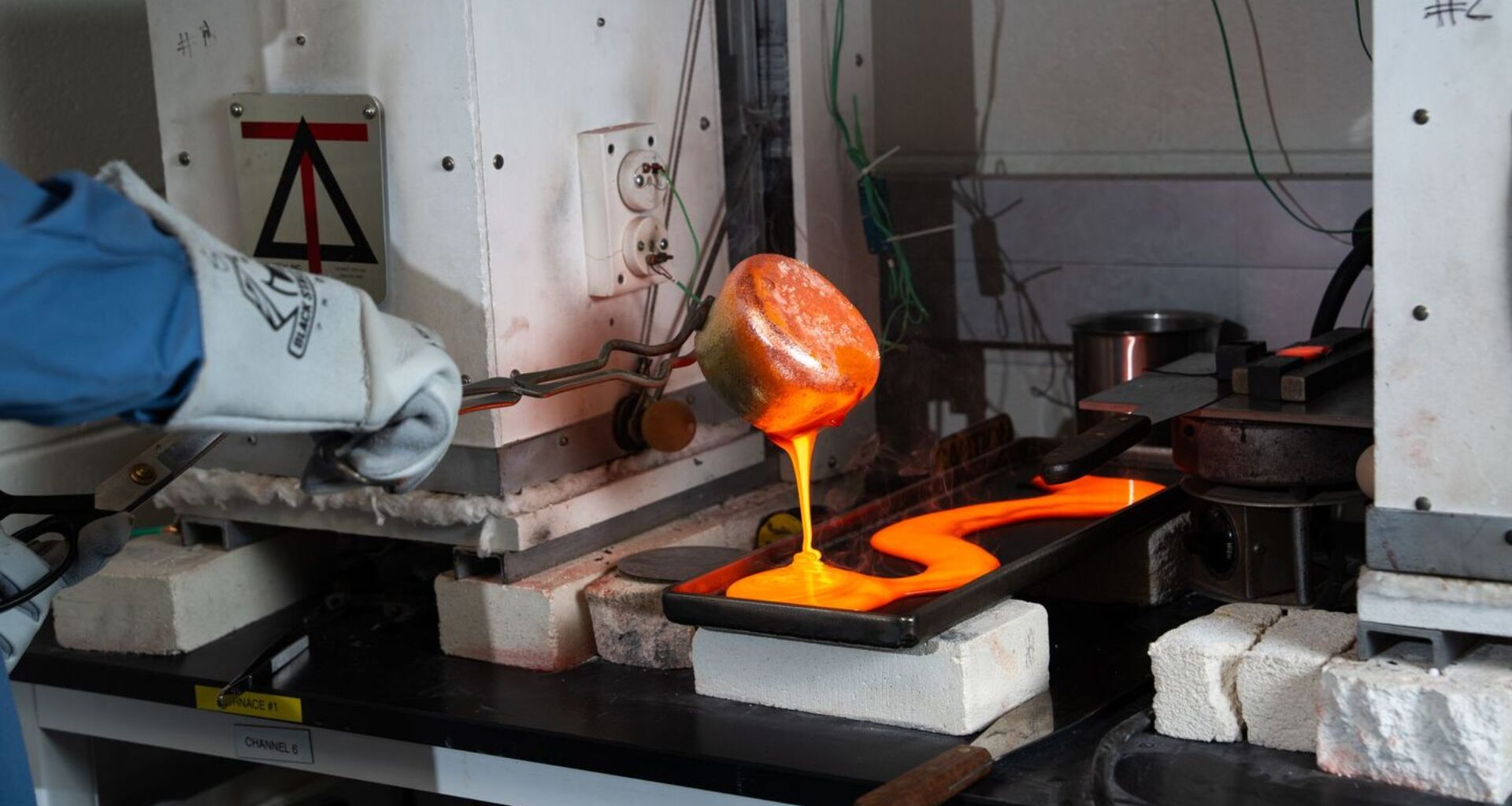
The Hanford Site has officially begun the immobilization of low-activity radioactive waste, a monumental step decades in the making.
Through a process known as vitrification, the Waste Treatment and Immobilization Plant (Vit Plant) is converting millions of gallons of hazardous waste into stable glass.
This waste, a byproduct of plutonium production during the Manhattan Project and the Cold War, can now be safely stored for thousands of years, marking a definitive shift in the environmental cleanup mission.
“Since the 1960s, PNNL researchers have advanced the science of vitrification. The Hanford Site is now putting that science to use—transforming millions of gallons of radioactive tank waste into glass for safe, long-term storage,” said Pacific Northwest National Laboratory (PNNL).
An active and versatile journalist and news editor. He has covered regular and breaking news for several leading publications and news media, including The Hindu, Economic Times, Tomorrow Makers, and many more. Aman holds expertise in politics, travel, and tech news, especially in AI, advanced algorithms, and blockchain, with a strong curiosity about all things that fall under science and tech.