
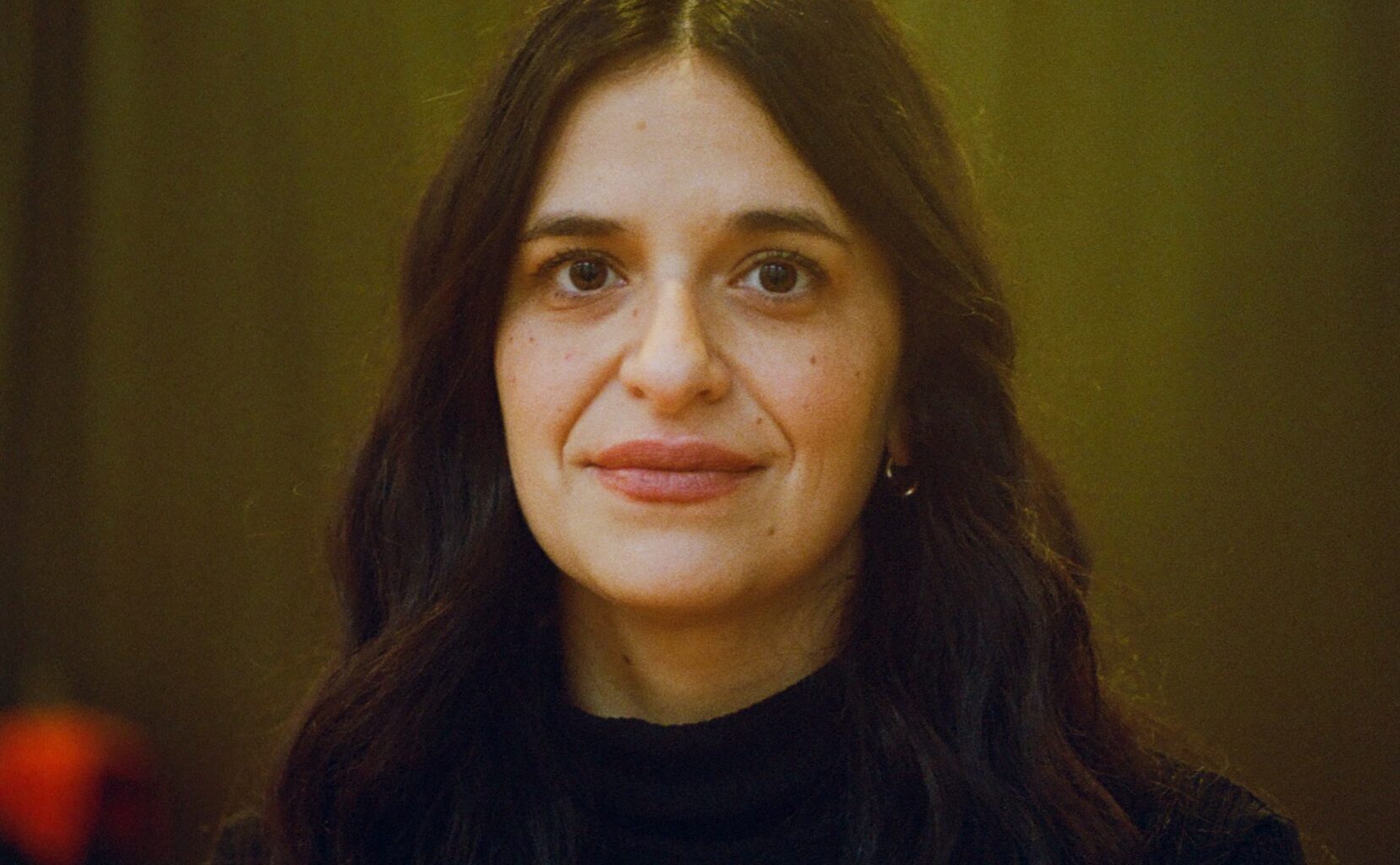
In a well-worn SoHo loft, the dancer and filmmaker Michelle Uranowitz has spent the last year-and-change building something special. Through her consistent yet casual movement classes, Uranowitz and her students (myself included) have formed a community to practice a little-known technique called Allan Wayne Work.
Named for its originator—a former principal dancer with the Metropolitan Opera Ballet—the work is grounded in a series of repetitive exercises that encourage both physical and psychic release in the body. The work has been shepherded into the present by a trio of committed teachers: Paul Langland, Brendan McCall, and Brenna Palughi. However, a new generation of practitioners, including Uranowitz and her mentor Julia Crockett, is taking the technique into uncharted territory. Creating an environment for artists of every stripe—but particularly actors—to nurture a physically-informed sense of self-exploration and risk-taking, her practice asks, what if you went a little bit deeper? Below is a condensed and edited version of our conversation.
Patrick Denney (Rail): Do you remember your first exposure to Allan Wayne Work?
Michelle Uranowitz: I studied with Paul Langland. His whole thing was Allan Wayne Work and contact improv. What I learned from him was that I could feel strong, and I could feel messy at the same time. I love feeling strong and messy. Then I took some classes with Brenna Palughi at Triskelion Arts. It was a technical way of letting go, like a simple release, which I liked. And then the pandemic happened.
So, I started studying with Julia Crockett on Zoom. I remember feeling like this is the way I can do this when everything is shut down. You can just do it standing in your living room. The work that I had been teaching was all about contact. It’s like the tenet of acting—making contact, taking in—and this was the first time that I was learning something that was about contacting my muscles and my fascia. That’s a very different way of making contact I hadn’t experienced before.
Rail: We’re already dancing around it a little bit, but what are some of the principles at the heart of this work?
Uranowitz: I always go back to what Brenna taught me, which was this idea of water eroding a rock. We work with these repetitive movements as a way of exhausting our muscles. Showing up super exhausted is oftentimes the best class you’ll have because you are without filter, you’re without inhibition. You’re riding something so hard you can’t help but let go. I think that repetitive motion is the most helpful in finding a deeper kind of release. Julia always says it’s about getting to the bone of things. It’s about getting beneath the skin, beneath the fascia, beneath the muscle, and all the way down to the edge, and finding out what’s there. It’s a technique that really gets to the bone.
Rail: And the bone can be a scary place.
Uranowitz: The bone can be a really scary place. Bones can break. They’re hard and fragile, you know? I think that’s the thing that I experience in Allan Wayne Work. You can always go farther than you think you can, and then some. I think there’s something really amazing that happens when you find the edge of yourself and find the brink of something. It’s that surrender, and surrender can feel really good.