
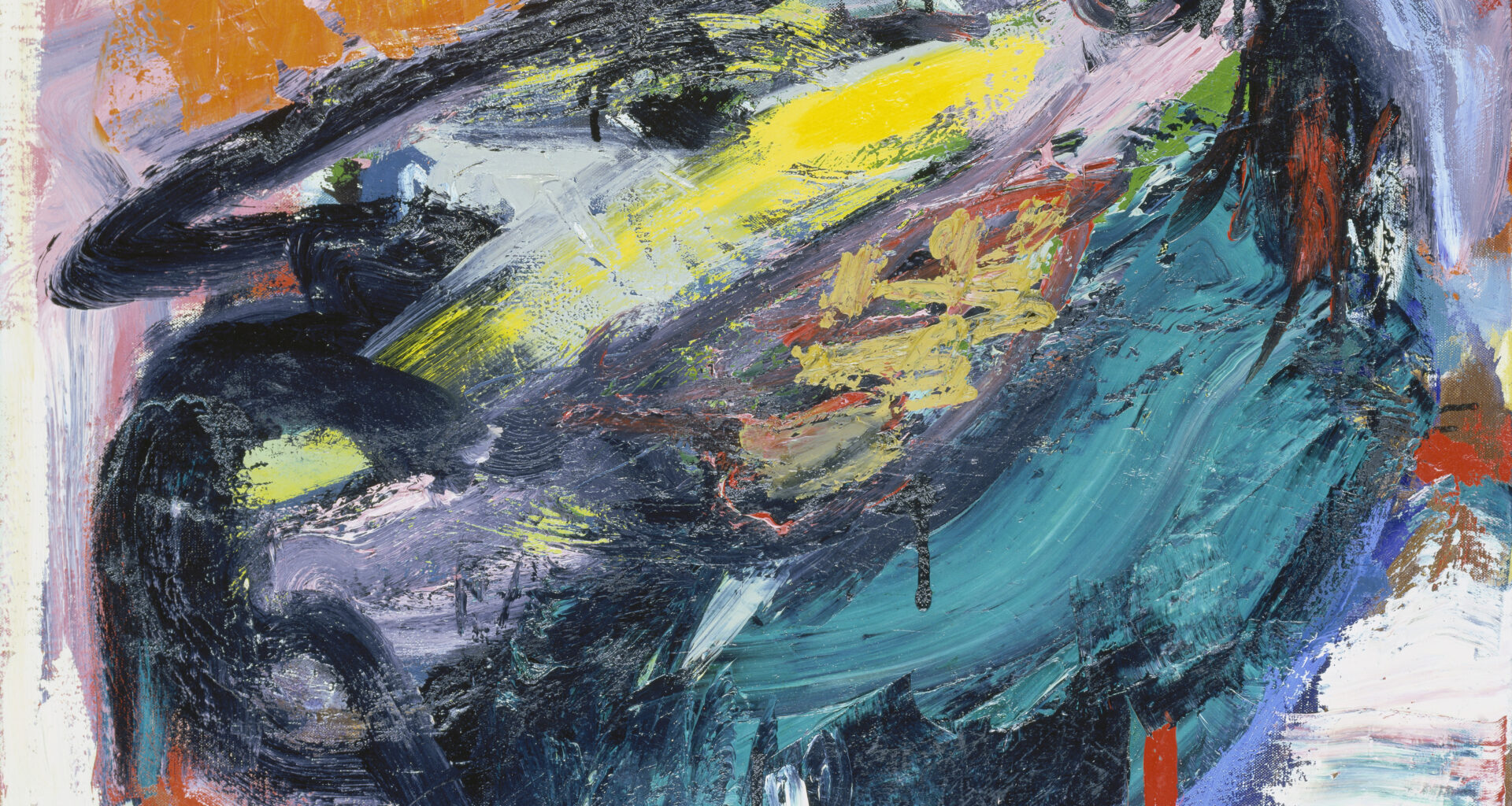
I have a memory of Michael Fried standing in a crowd under the central grey dome of Tate Britain, paying tribute to his dead friend Anthony Caro, and ending his speech with the words, “He was the greatest English artist since Turner.” The faces of the assembled art world worthies were a study. “Typical of the man. Not the moment for such brash evaluations.” Wonderful to see Fried still such a fish out of English water. I remembered him saying to me once, “What’s wrong with a culture that keeps going on about goddamn Lewis Carroll!” (I felt interpellated, as they used to say.)
You will not know, fortunate reader, what it was like to be part of the world of art history—art writing—in England around 1960. To have John Richardson’s book on Edouard Manet recommended to you as a model. To be expected to take Patrick Heron and Victor Pasmore seriously. To slide through the well-oiled pages of Landscape into Art. I shan’t go on. And therefore you will not quite understand how astonishing it was to come across a writer named Michael Fried in British and American magazines, responding to new painting and sculpture as if everything depended on it—as if sifting the bogus, the time-serving, the “shocking,” the “contemporary” from the actually difficult and beautiful was a calling.
Fried and I (apologies for nostalgia) have had our public spats. We still disagree about plenty. Opposition is true friendship. But differences of “opinion” always matter less in matters of art than degrees of commitment, real exposure to the thing itself. I remember once, after some months of silence following an exchange of insults in Critical Inquiry, meeting Fried by chance on his way down the stairway in the Grand Palais, tired from the tremendous Manet retrospective on the floor above. He took one look at me, was silent for a second or two, and said, “Let’s go up and look.” Manet was more important—I knew how much I’d learn from standing in front of Le Déjeuner sur l’herbe (1863) in Michael’s company—than modernism. (Or maybe, modernism wouldn’t ever be adequately written about if Manet—if the Déjeuner—didn’t haunt the diagnosis like a ghost in the machine.)