
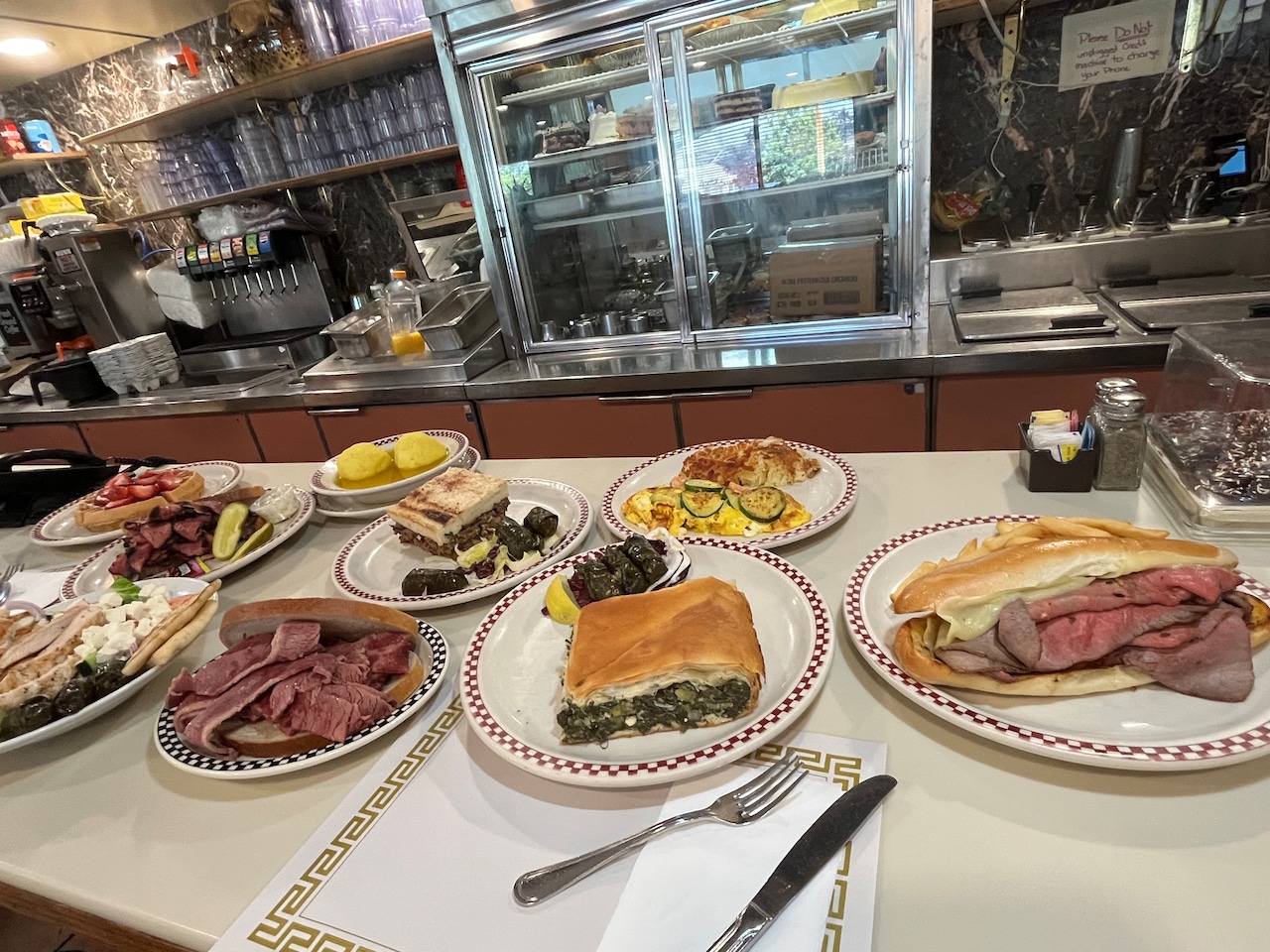
STATEN ISLAND, N.Y. — Jerry’s Pancake House closed in January 2025 after 70 years in business. Z-One followed that June, ending a 17-year run. And in early January 2026, Dakota Diner shut its doors after roughly four decades. Three long-established diners disappearing within a year naturally raises questions—not about collapse, but about what this moment says about the borough’s shifting dining landscape and the future of the diner genre itself.
The borough now has 17 diners, down from 20.
With their decades-long runs, diners have served as reliable neighborhood touchpoints. Some continue to thrive, others are adjusting to new dining habits, and a few now remain only in memory. Together, they offer a snapshot of how Staten Islanders eat, gather and keep their routines, from late-night visits to early-bird breakfasts.
A traditional diner is a rather distinct format, and it’s helpful to be clear about that at the outset. At their core, diners are built around booths and breakfast served most of the day. The menus rely on familiarity and the less adventurous palate—burgers, meatloaf, chicken parm, a handful of pasta dishes and often a Greek specialty or two. Many take their names from their neighborhoods or cross streets; when they adopt a first name instead—uncommon examples include The Mikes’ or Andrew’s, which usually signal a more personal, owner-driven style of service.
Some places stretch the definition: Annadale Terrace, for instance, operates on a much larger scale with multiple rooms, lounges, a rooftop and an in-house bakery for rolls and desserts. But its feta-spinach omelets, Romanian steak combo platters plus Greek-style pasta and roasted chicken are among the diner tells.
What a diner isn’t
What isn’t a diner is just as telling—and may hint at how the sprawling, phone-book-style menu model could evolve.
Plenty of Staten Island restaurants offer expansive menus, but they’re not diners in the traditional sense. Tommy’s Tavern + Tap at the Staten Island Mall, IHOP in Graniteville and Perkins in Grasmere fall into the realm of commercial chains. Sandwich and Pickle leans Eastern European, with pierogi and modern touches like avocado toast in a tea-room setting. Wonder Restaurants, with its delivery-heavy, food-hall format and institutional feel, is simply not a diner.
Nature’s Grill sits in its own category: a health-driven fast-casual café built around protein-forward bowls, wraps and salads, with keto and vegan options, fresh juices and smoothies, and lighter takes on comfort food. Bagel shops such as Mikey Bagels in Tottenville or Bagels By the Sea in Rosebank form yet another niche.
Even a single closure can reveal what communities value most about diners—that familiar, family‑oriented setting that’s nearly impossible to replicate. When Island Coffee Shop on Manor Road temporarily shut down after a fire, its eventual reopening underscored just how essential a neighborhood diner can be. During the long months of repairs and inspections, owner George Bakratsas kept a quiet vigil in one of the small booths, answering a steady stream of calls from customers anxious for their routines—and their community hub—to return. The business first opened in 1985 and originally operated on Victory Boulevard before moving to its current Manor Road location about a decade ago.
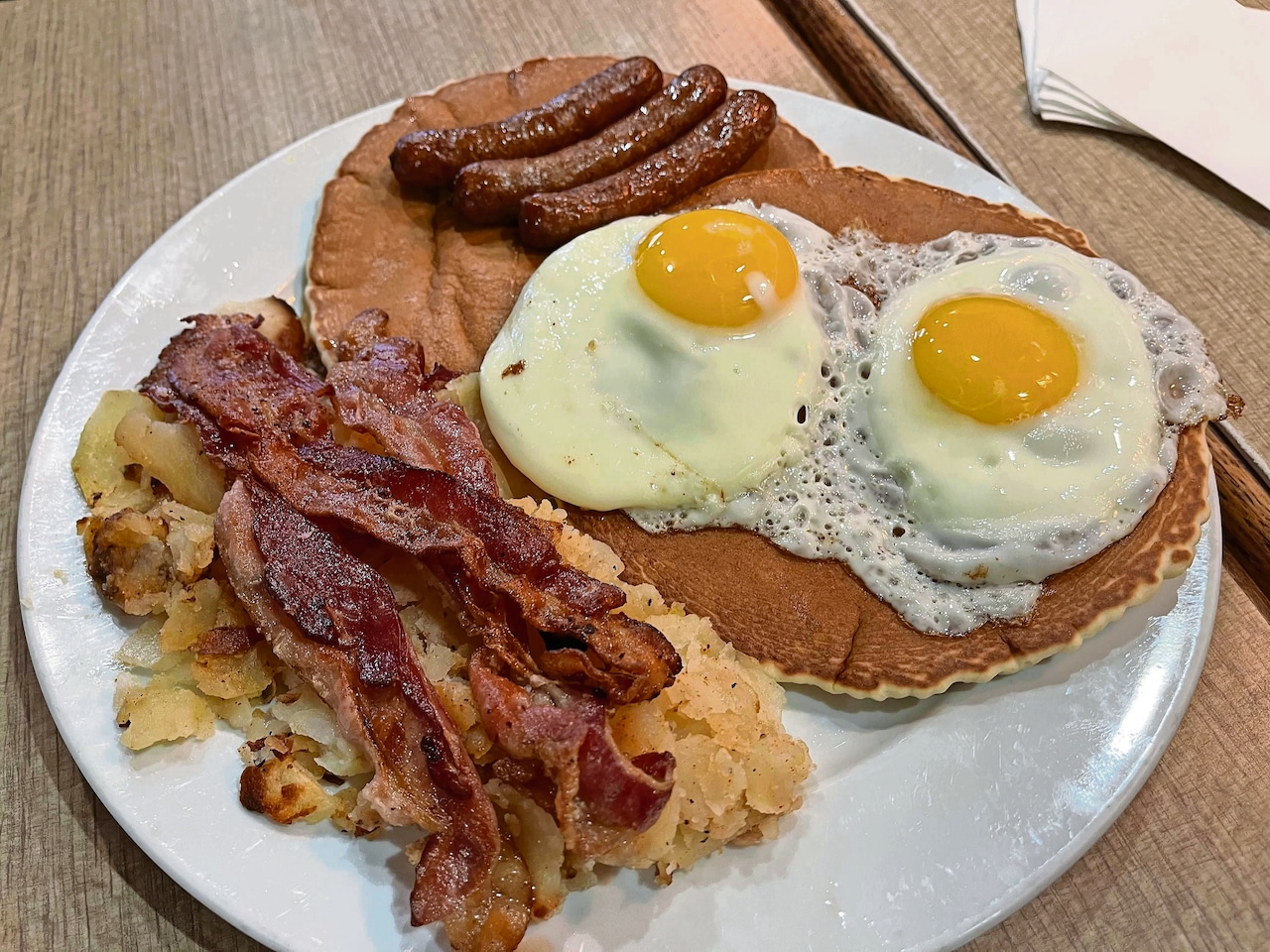 Jerry’s Diner in Stapleton was known for its pancakes, hefty breakfasts and quick service. It closed after various owners and a 70-year run. silvestriLeaving a void
Jerry’s Pancake House left a noticeable void in Stapleton, a neighborhood that could have used the foot traffic. The longtime landmark at 637 Bay St. closed for good and remains vacant after its owner announced his retirement and plans to sell the building—easily recognized by its T-shaped projecting sign across from Tappan Park. Known over the years as Jerry’s 637 and Jerry’s Pancake House, the compact breakfast-and-lunch spot adopted the name of its owners, Jerry and Ida, in the 1980s.
In the ensuing coverage of the closure, the news stirred deep nostalgia. Staten Islander Brian Nearey recalled visiting in the 1970s with his grandmother, who insisted Jerry’s made better French toast than she did. He remembered the room as tiny, fragrant and comforting—what he called “home-cooked utopia.”
On a more uplifting note, when Island Coffee Shop finally reopened after its fire, regulars streamed back in, relieved to feel “normal again.” The renovation added a few updates, but the essentials stayed the same: bottomless coffee, Greek comfort dishes, familiar staff and owner George Bakratsas greeting customers like family. Some employees have been there nearly 45 years—a testament to the diner’s long-standing role in Castleton Corners, even after its move from Victory Boulevard about a decade ago.
What readers responded to most wasn’t the menu but the warmth, routine and sense of connection. The closure had left a gap; the reopening restored the gathering place around which the neighborhood felt anchored.
 The Dove Diner’s stainless steel and glass details keep its classic, clean look—a familiar along Richmond Avenue. Pamela SilvestriThe thriving model
The diner audit also highlights the family-run operations that continue to thrive on routine and tradition: Saturday breakfasts, post-church Sundays, and regulars whose preferred booths are known without a word. Much of this loyalty stems from long-standing ownership and veteran staff. Chain competition hasn’t weakened the bond—residents may sample what’s new, but they reliably return to the familiar.
A handful of diners stand firm, including Page Plaza on the South Shore and North Shore stalwarts like The New Dinette in Port Richmond. The latter sits along a corridor anchored by long‑running neighborhood fixtures—Ralph’s Ices, Denino’s, Los Potrillos Taqueria and Cuesta’s produce market, and bakeries such as Café Con Pan, Rosemary’s Bakery, and Melone Brothers bread outlet. The current Port Richmond Avenue lineup of long‑running businesses, new hotels, and a growing Mexican community has helped keep The New Dinette steady on a drag that’s seen a more diverse range of business ownership in its shops and restaurants in recent years.
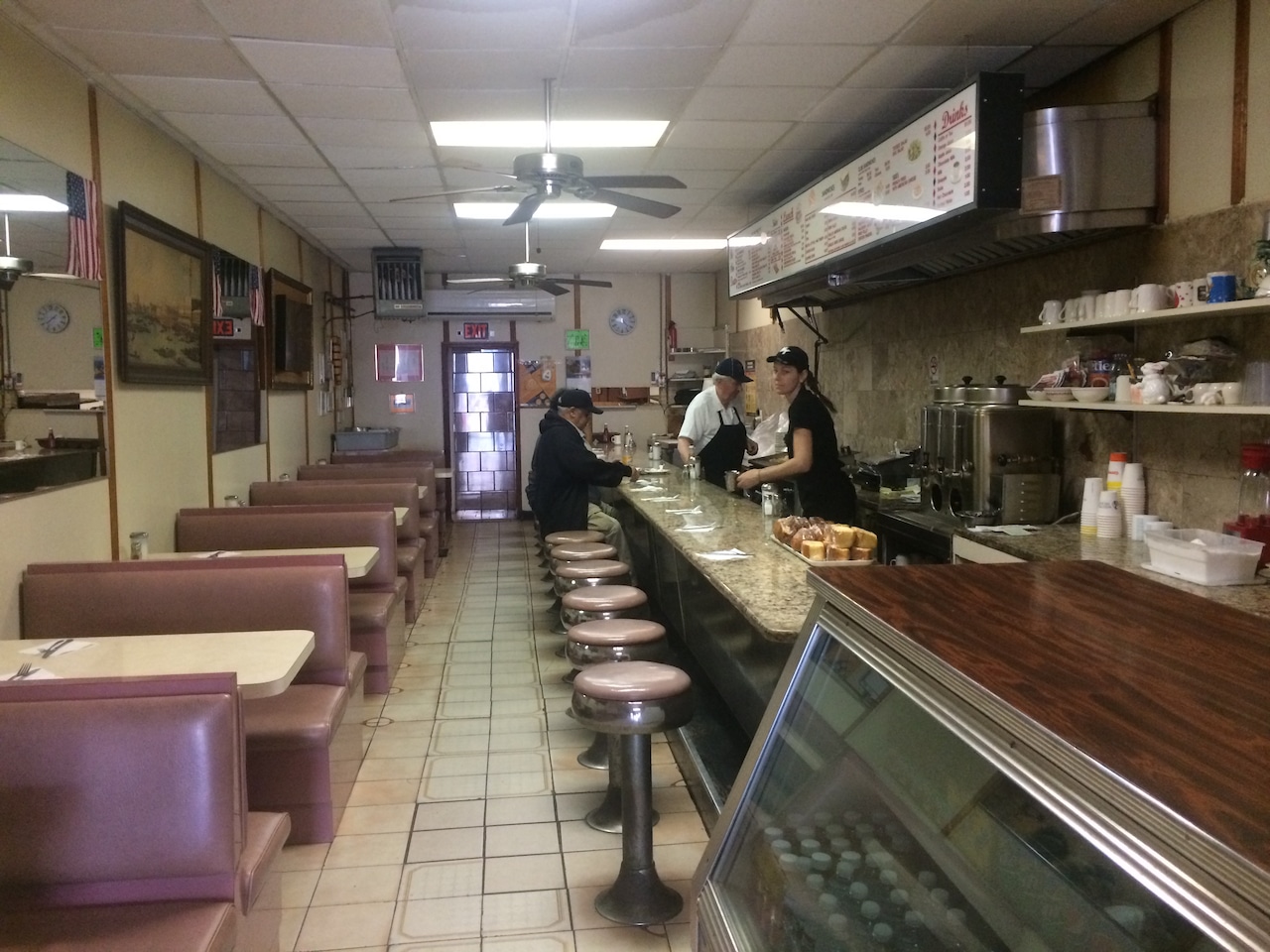 The New Dinette in Port Richmond hasn’t changed much over the years but the food has remained consistent along with the welcoming hospitality.
The New Dinette adjusts to those rhythms: it now opens at 5 a.m. and closes at 3:30 p.m., a schedule that reflects the current ebb and flow of the neighborhood rather than the traditional diner model.
The 24-hour diner has become rare, too. As owner Mike Moudatsos noted in a prior report, COVID reshaped late-night habits—far fewer clubgoers and overnight crowds remain. That makes the remaining all-night spots, Unicorn Diner and Mike’s Place on Hylan Boulevard, all the more notable. Colonnade tested a 24-hour model last fall but found it wasn’t sustainable, though it still stays open later than most—until 2 a.m. on weekends and midnight on weekdays.
Menus are shifting too. Classic Greek diner staples remain, but they now share space with newer crowd-pleasers—gluten-free options, all manner of wraps, smoothies, avocado in its many incarnations, and a growing lineup of vegan comfort dishes. Even with those updates, breakfast and brunch still t
Saying good-bye
Recent closures also point to broader lessons. Dakota Diner, for instance, faced new traffic patterns on Richmond and Forest avenues—lights, turning lanes and rerouted flows that affected accessibility. Some memories linger not because of menus but because of visuals: the Olympic Diner and the defunct Victory Diner, immortalized on film and in local nostalgia.
Meanwhile, Staten Island diners—like restaurants across New York City—continue to navigate labor costs, utility spikes, late-night staffing shortages and the pressures of delivery apps.
Ultimately, the story isn’t one of decline but of definition. Diners are as much place as plate—rooted in the neighborhoods they serve and shaped by the people who return again and again. The map shows where these rooms of comfort still stand, and perhaps where next year’s fads will begin.