
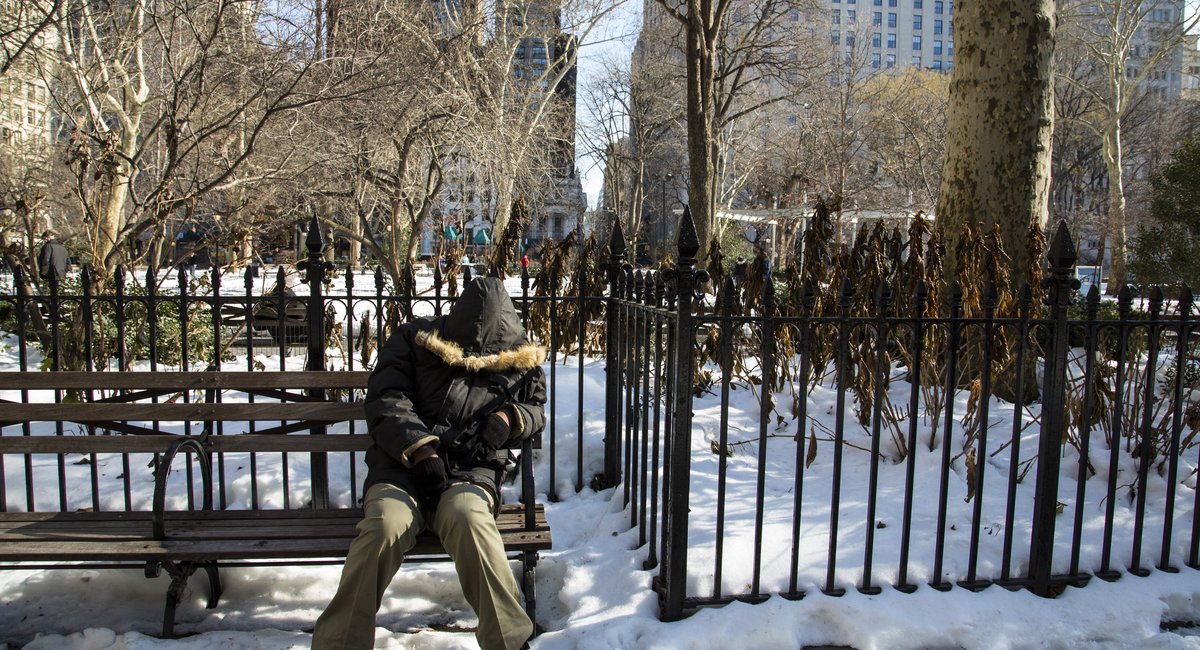
As New York City braces for some of the coldest nights of the season yet, the city medical examiner has begun releasing details about some of the earliest deaths tied to January’s winter storm, offering a clearer picture of how some New Yorkers died as temperatures plunged.
In five cases reviewed so far, the medical examiner determined that each person died of hypothermia caused by exposure to the cold. All five deaths were ruled accidental and happened between Jan. 24 and Jan. 26, across four boroughs.
In three cases, alcohol or ethanol intoxication was listed as a contributing condition and in another methamphetamines played a role, according to the Office of Chief Medical Examiner . The fifth person died outside of St. Barnabas Hospital.
The medical examiner’s office did not release any names.
City officials have said the storm-related death toll now stands at 17 and Mayor Zohran Mamdani told reporters Friday the city is increasing outreach efforts to prevent the total from growing any further even as temperatures are expected to plunge Saturday night. Lows are expected to reach 5 degrees, but punishing winds could make it feel as low as negative 20 degrees — conditions the mayor described as ”lethal.”
Mamdani said the city had reopened 10 schools as warming centers and deployed additional workers to do outreach.
“Being outside for even a short period of time could pose a severe risk,” he said.
However, the city has had trouble with coordinating its various systems. Gothamist found recently that nobody at the Staten Island Ferry Terminal early last week knew two of the city’s 20 warming buses were parked outside.
The Urban Justice Center’s Safety Net Project said their members had also documented multiple instances in recent weeks where NYPD officers had pushed homeless people out of subway stations or threatened to remove their tents and tarps – even as a cold-weather emergency Code Blue was in effect.
Following these reports, according to the group, Mamdani’s office agreed Friday evening that the police department would no longer force people from subway stations or make them take down their makeshift shelters.
The mayor’s office didn’t immediately confirm that was the case.
This is a developing story and will be updated.