
The Thain Family Forest in The Bronx is home to many native, resilient US tree species, some dating back to the American Revolution. The landscape is a majestic mix of mainly deciduous specimens gathered along the gorge of the Bronx River, but many people don’t even know it’s there.
A rare 50-acre slice of old-growth forest, predating the development of New York’s mainland and islands, this unspoilt section of land was chosen in the late 19th century as the ideal location for The New York Botanical Garden. Peppered with wild growths of hemlocks, oak, ash and beech trees, the area offers a rare insight into the region’s natural landscape.
You may like
1. Black Locust
(Image credit: Alamy/ amana images inc)
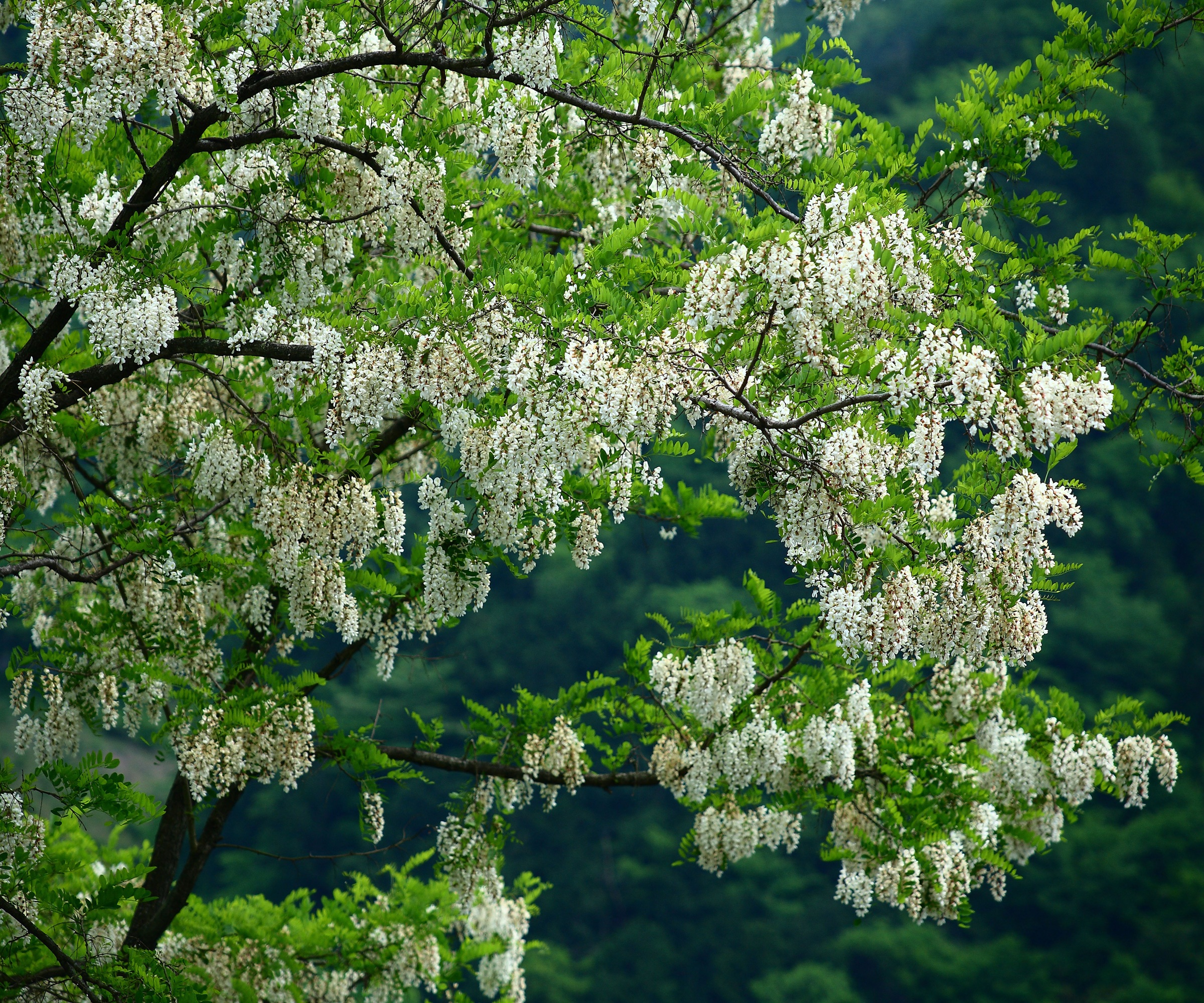
Native to the Allegheny Mountains black locust trees Robinia pseudoacaci or False Acacia are instantly recognisable for their cascades of white pea-like spring blooms followed by flat, brown seed pods in fall.
‘Black locust thrives where other trees struggle: in areas with compacted, poor, or disturbed soils and in drought and heat,’ says Mary Phillips, Head of Native Plant Habitat Strategy/Certifications at the National Wildlife Federation. ‘This tree has the ability to fix nitrogen, improving soil health over time and helping surrounding plants establish.’
Sending out multiple underground stems and quick to grow many experts say this is one tree never to plant in a small backyard.
Mary adds ‘Black Locust is considered a noxious weed in many areas of the US. It’s essential to check this species’ status in your region before planting.’
An easier to manage but no less attractive alternative is the Honey Locust tree, available from Amazon.
 Mary Phillips
Social Links Navigation
Head of Native Plant Habitat Strategy & Certifications at the National Wildlife Federation
Mary Phillips is an ambassador for native plants. Her work ensures all habitat programs and resources are rooted in sustainable practices and the latest science.
2. Tulip Tree
(Image credit: Getty Images/ magicflute002)
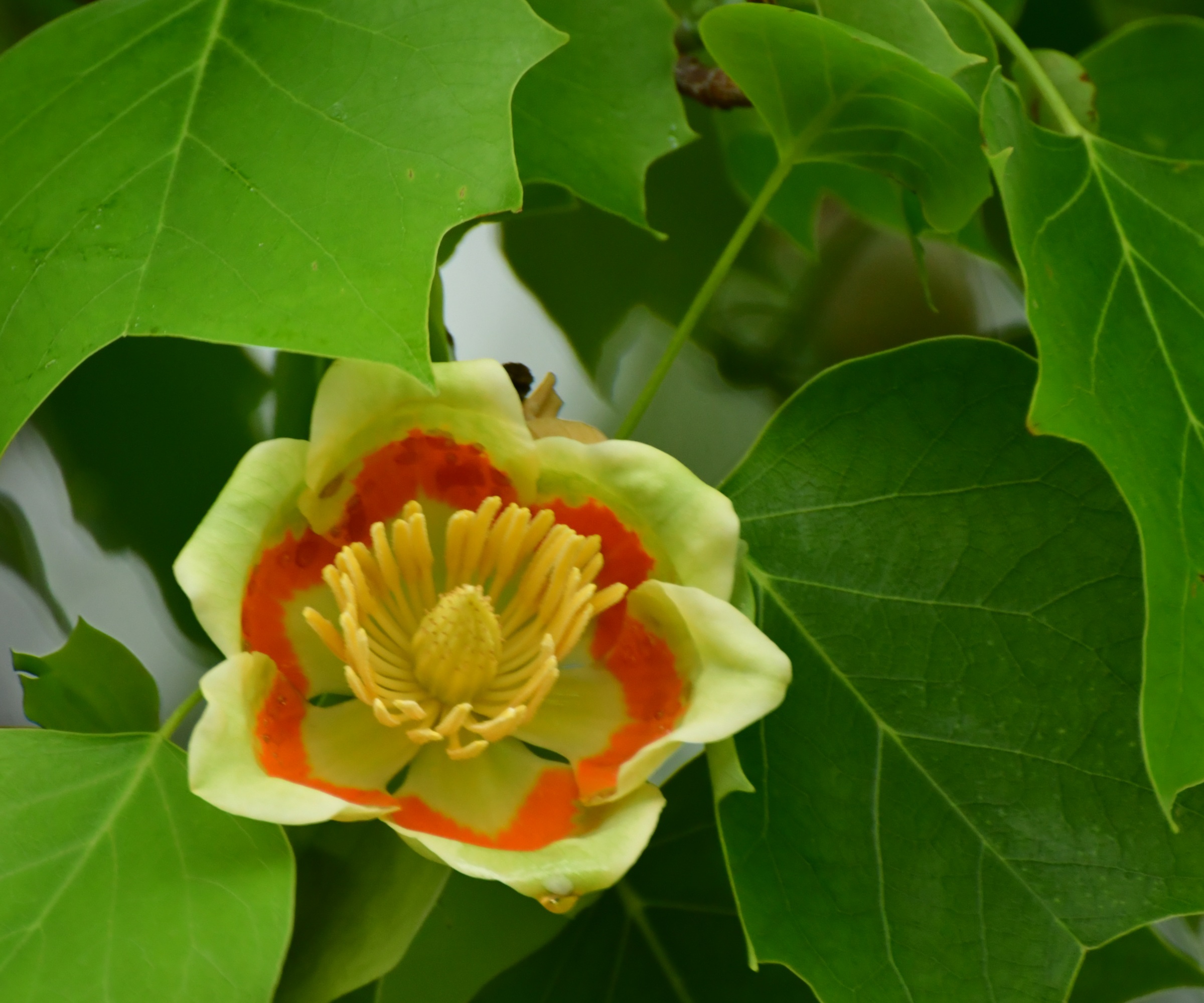
A majestic tree that’s native to eastern North America Liriodendron tulipifera is loved for its dramatic cup shaped flowers in May and June.
Celebrated at The New York Botanical Garden, where it is planted as a historic wide avenue leading up the to the renown Mertz library building, it is easy to admire its pyramidal form and grandeur.
You may like
‘The tallest tree in the garden is hidden away deep in the Maureen K. Chilton Azalea Garden, amongst what we call The Cathedral: a stand of towering giants that predate NYBG itself and form a dazzling canopy of dappled light and shadow,’ says Melissa Finley, Thain Curator of Woody Plants at NYBG. ‘At 160 feet tall, this tulip tree is a native goliath.’
State tree of Kentucky, Tennessee and Indiana, you can find live tulip trees at Nature Hills.
 Melissa Finley
Social Links Navigation
Thain Curator of Woody Plants at NYBG
Melissa Finley is the Thain Curator of Woody Plants at the New York Botanical Garden. She holds a BS in Sustainable Crop & Landscaping Systems from the University of Idaho and an MS in Plant Pathology from Penn State. She is an International Society of Arboriculture certified arborist and tree risk assessor.
3. Red Maple
(Image credit: Getty Images/ BethAmber)
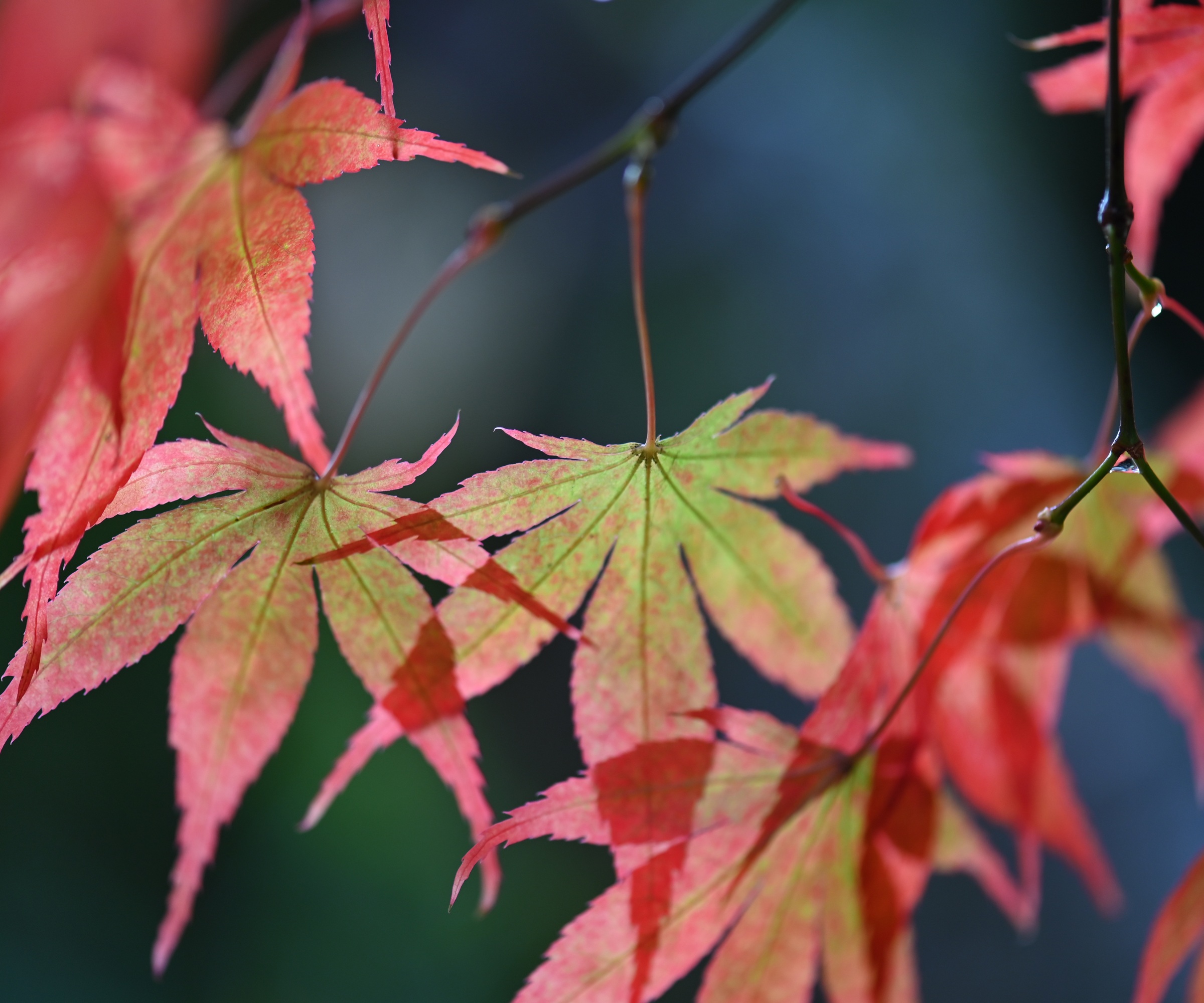
Think of Acer rubrum and as the name suggests you will probably be picturing the fiery scarlet foliage that dazzles every fall.
Native from North and Eastern America, these deciduous trees are found everywhere from swamps to rocky outcrops and forests.
Thousands of tiny red flowers appear in spring, clustered around bare gray branches before giving way to emerging green, palmate shaped leaves. It’s these that gradually morph from gold, vivid scarlet to almost claret in fall, making them such an iconic sight.
Varieties to look out for include Acer rubrum ‘Brandywine’ after its fall guise of deep red-purple leaves, available at Nature Hills. ‘Scanlon’ with its orange-crimson fall coloring, ‘Redpointe’ noted for its multiple, dense branches and hardy nature.
Red Maple is a key host plant for wildlife, supporting over 250 species of moths and butterflies alone. If you want to broaden your pollinator food provision then be sure to consider these native plants for night time pollinators.
4. Serviceberry
(Image credit: Alamy/ Paul Wood)
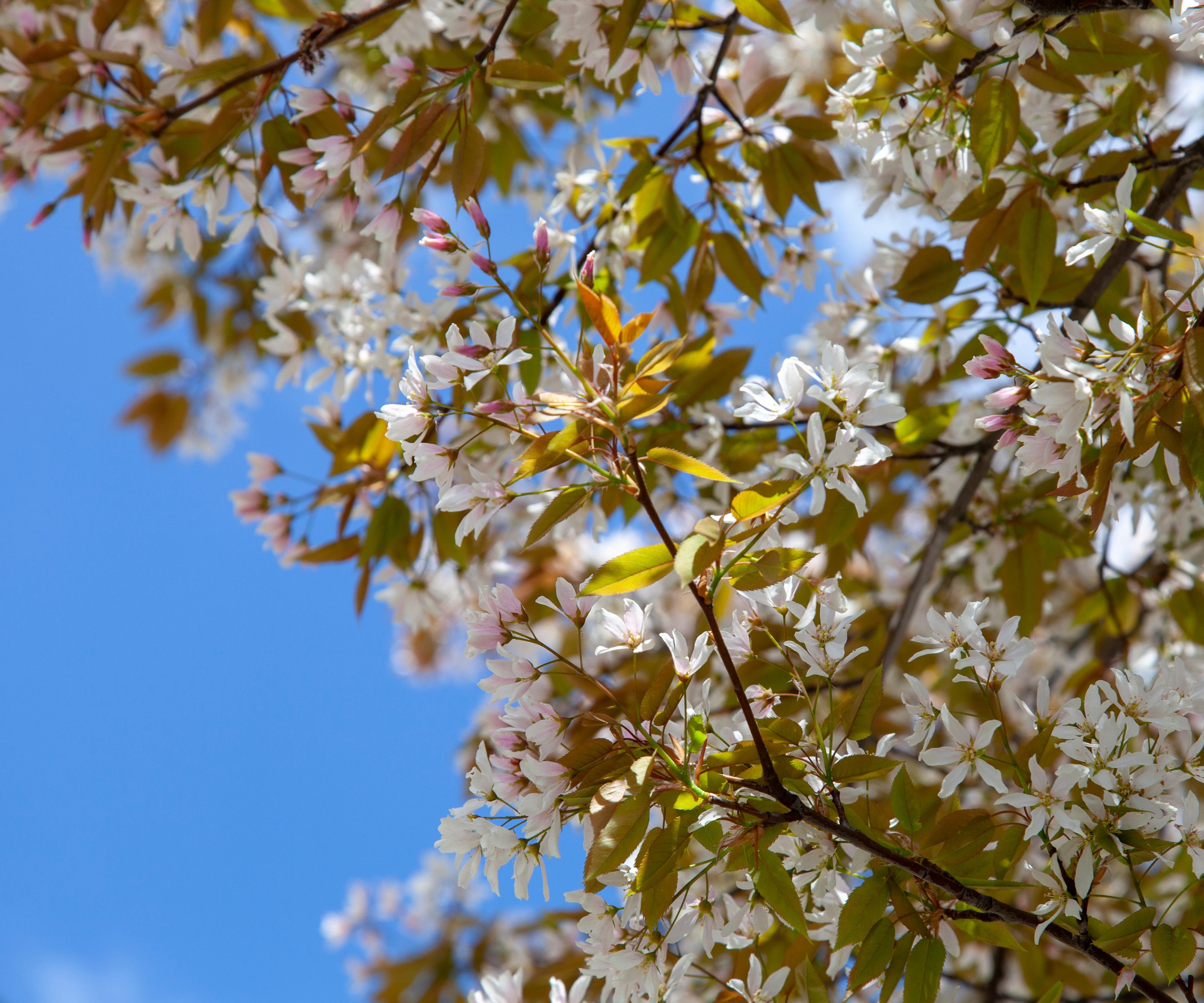
Beautiful Amelanchier spp are undemanding and highly rewarding to grow. Covered with starry white blooms each spring and growing to around 15 to 20ft high they are one of the best trees for spring blossom. Fresh bronze-pink tinged foliage quickly turns vibrant green in summer with black edible berries and fiery shades in fall.
Native to North America, this plant has many names including snowy mespilus, juneberry, shadblow and serviceberry. The latter is said to come from its association with the first European settlers of New England, who regarded blossom appearing on the tree as a sign that the ground had thawed out sufficiently enough to dig graves.
Varieties to look out for include shrub-like Amelanchier canadensis, Amelanchier lamarckii with it’s multi-stemmed and open branching habit and the upright Amelanchier arborea ‘Robin Hill’ with it’s blush pink buds.
Mary Phillips advises to, ‘prune common serviceberry minimally and only as needed to remove dead or crossing branches; its natural form is best for wildlife habitat,’ and to ‘leave fallen leaves in place when possible to improve soil health and provide shelter for overwintering insects.’
New York-based landscape designer, Kat Aul Cervoni, founder, Staghorn Living also adds, ‘its modest size makes it perfect for tighter spaces like sidewalk beds, entry gardens, or tucked-in terrace corners, even in rooftop container gardens.’
You can find Serviceberry seedlings at Walmart.
 Kat Aul Cervoni
Social Links Navigation
Landscape designer and founder, Staghorn Living
Landscape designer, Katherine “Kat” Aul Cervoni is the founder and principal of Staghorn Living. Kat creates outdoor spaces that become natural extensions of a home’s interior. A member of the Ecological Landscape Alliance and the Association of Professional Landscape Designers, she also mentors young plant enthusiasts and upcoming designers.
5. Hickory
(Image credit: Alamy/ Zoltan Bagosi)
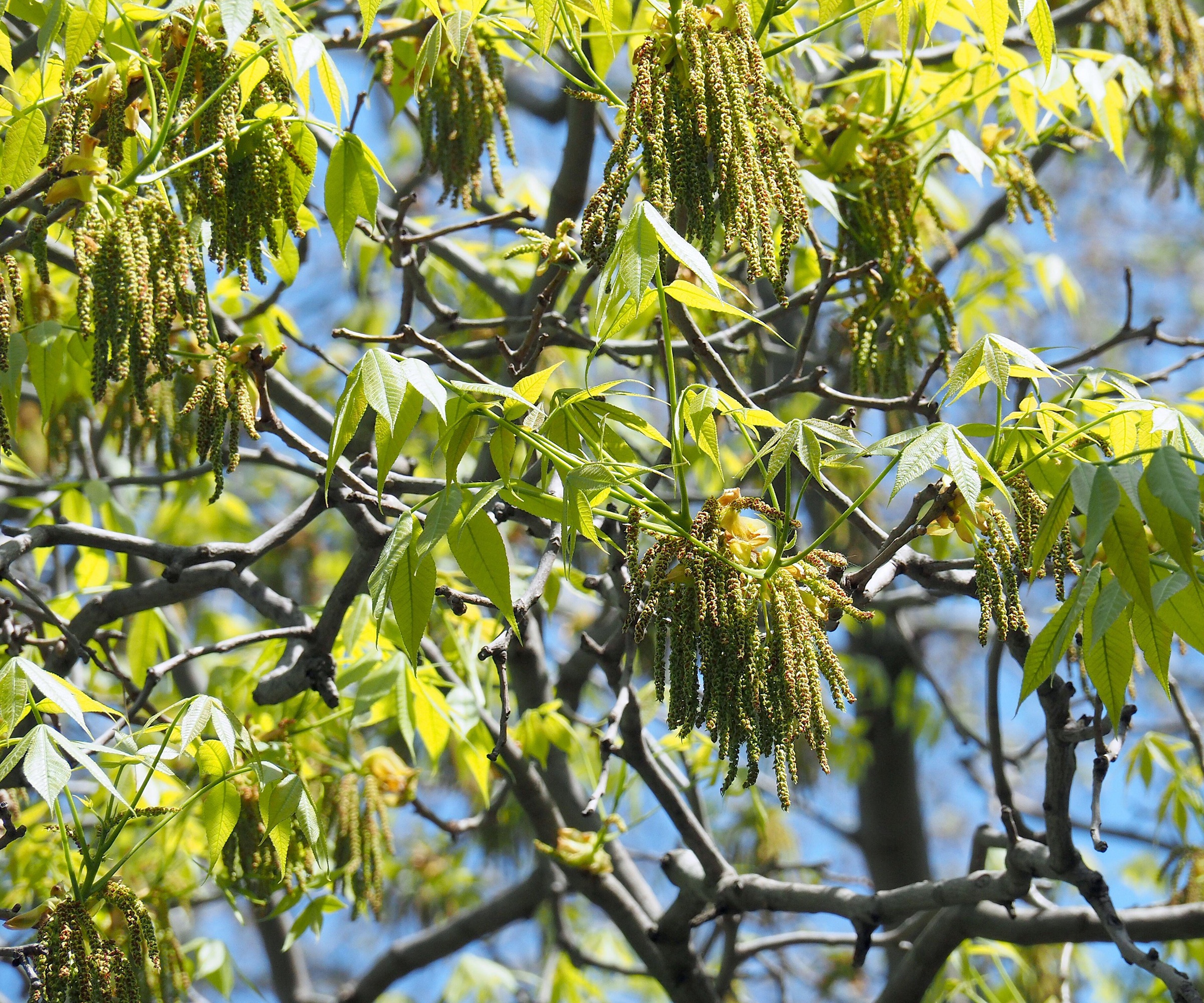
There are twelve native species of hickory tree in north America. Deciduous with serrated leaves, they are a majestic addition to forest edges and lower slopes and can be found throughout the country from North America down to Mexico.
Highly regarded for its dense and exceptionally strong hardwood, this tree is also loved for its deliciously sweet sap and nutritious but tricky to open nuts. Edible raw or roasted, the kernels and their shells are particularly sought after for smoking meat and other foods.
Hickory trees are often recognised as one of the best trees with unusual bark, but the Shagbark or Carya ovata must be the most spectacular with its long, coarse ribbons curling upwards. Thriving in USDA Hardiness zones 4a-8b these trees reach 70-90ft (21 to 27m) tall.
If you fancy introducing this native into your yard, then seek out these hickory tree seedlings from Walmart.
6. Eastern Hemlock
(Image credit: Alamy/ blickwinkel)
Although long lived – surviving up to 500 years – the Eastern Hemlock Tsuga canadensis has had its struggles of late, proving very susceptible to drought, pollution, salt and heat plus the voracious appetite of the woolly adelgid.
Sucking nutrients and sap from the base of needles, and introducing a deadly toxin, these tiny aphids have caused a rapid decline in naturalized hemlocks.
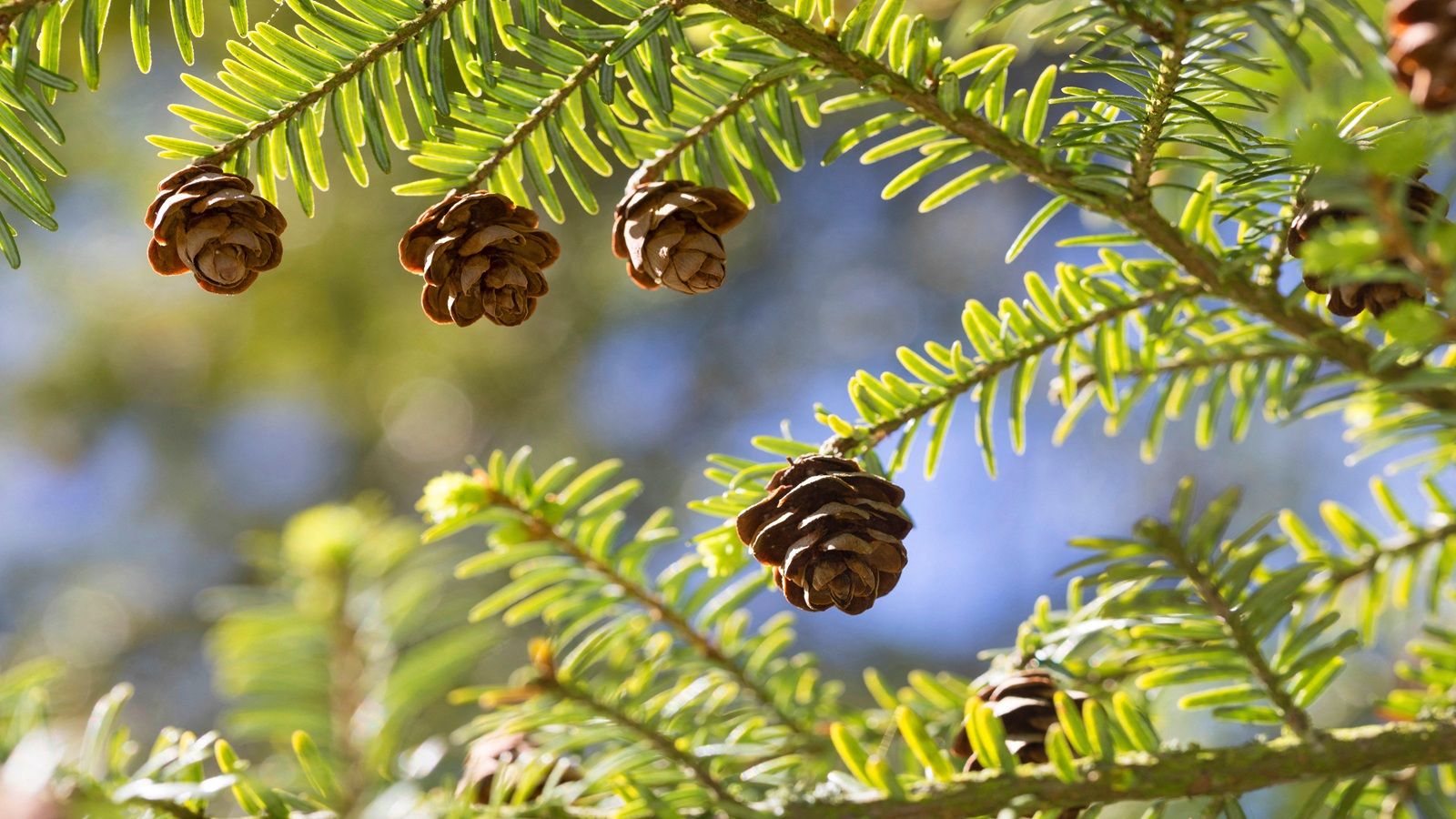
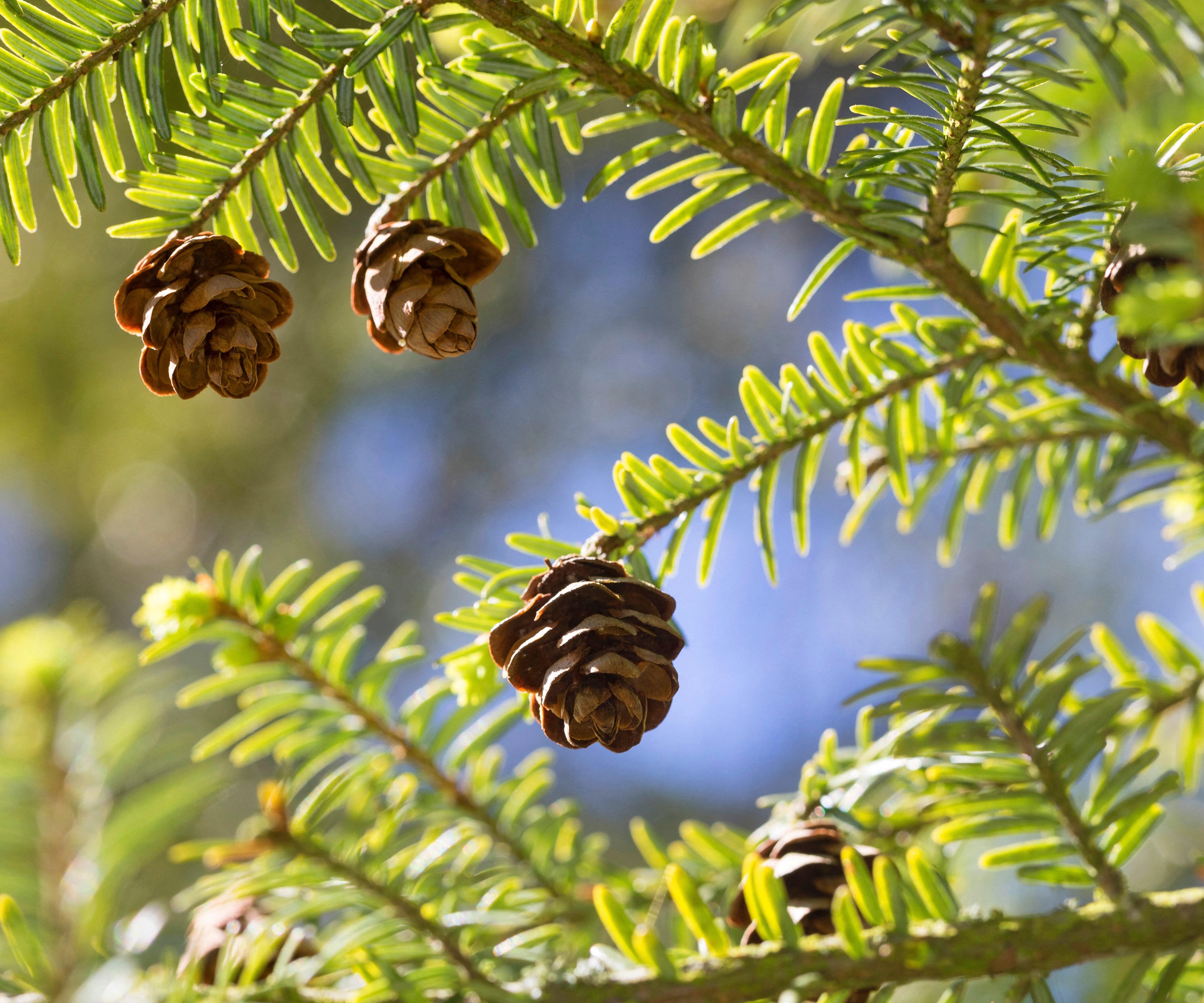
With a pyramidal shape and short, dark green needles, new growth appears in mid spring followed by green cones, that mature to brown in fall.
Commonly found on steep, shady north facing slopes and rocky mountainsides, native hemlock trees can reach 98ft (30m) but if multi-stemmed they can be shorter.
Happy in full or part sun, the Eastern Hemlock can tolerate alkaline soils but is happiest in neutral to acidic conditions. Checking the pH of your soil is easy with a soil testing kit such as this one from Amazon.
For a nature-rich yard that is full of seasonal character be sure to familiarize yourself with these north American native trees and the best native alternatives to Japanese maples.