
By HWM
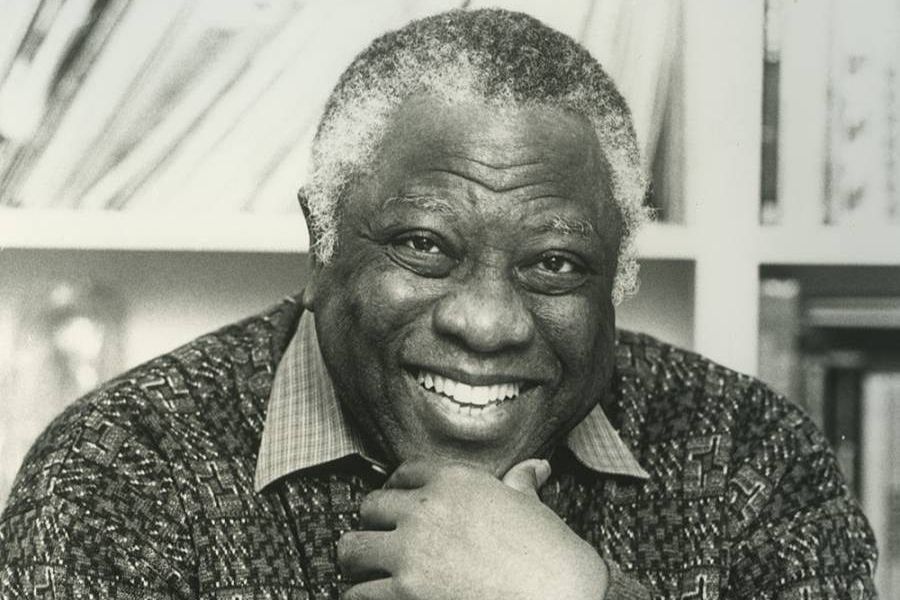
A towering figure in American theater has been lost. Woodie King Jr. died on Jan. 29, at age 88, ending a decades-long career that shaped generations of artists, directors, writers, and theater professionals while leaving an enduring imprint on Harlem’s cultural landscape and the wider Black arts community.
King, a pioneering director, producer, and institution builder, played a central role in Harlem’s cultural resurgence. He founded the New Federal Theatre (NFT) in 1970, creating a vital pipeline for Black playwrights and actors, including Morgan Freeman, Denzel Washington, and Debbie Allen. While the company was headquartered at the Henry Street Settlement, its impact was firmly anchored in Harlem, where it helped elevate local talent and expand access to professional theater opportunities.
Never miss new stories in Harlem
Before founding the NFT, King worked with Harlem Youth Opportunities Unlimited (HARYOU-ACT) in the mid-1960s, developing theater programs for young people following his involvement with the Black Arts Repertory Theater. Throughout his career, he focused on linking emerging artists to Harlem-based institutions, including collaborations with the New Heritage Theatre Group and its longtime leader Voza Rivers, efforts that helped strengthen the neighborhood’s theater ecosystem and expand long-term opportunities for Black performers.
King directed and produced several landmark works, including J.E. Franklin’s “Black Girl,” Ed Bullins’ “The Taking of Miss Janie,” and Ntozake Shange’s “For Colored Girls Who Considered Suicide When the Rainbow Is Enuf.” He also directed Amiri Baraka’s “The Most Dangerous Man in America,” a play centered on W.E.B. Du Bois, and was known for engaging directly with young audiences, including Harlem middle school students, to discuss the work and encourage their artistic development.
Beyond the stage, King was a prolific writer whose articles and short stories appeared in publications including “African Voices,” “Black World,” “Variety,” and “Negro Digest.” He also published books such as “New Plays from Black Theatre” and “Brilliant Flame.” His commitment to the written word matched his dedication to theater, and he was an active supporter of initiatives including the National Black Writers Conference and African Voices photography projects, helping bridge Harlem’s literary and performing arts communities.


Friends and associates of Woodie King Jr. say he embodied generosity, humor, and southern grace. They add that he will be remembered also for his guidance, mentorship, and unwavering support of Harlem artists that created a legacy that will continue to bear fruit for generations.
Woodie King Jr. (1937–2026) was more than a pioneer; he was a cornerstone of Harlem’s artistic heart. Surely, his contributions will continue to inspire and empower artists for decades to come.
Photo: Woody King Jr. via Public Theatre
Latest Posts:
Become a Harlem Insider!
From history to today’s headlines—everything Harlem, in your inbox.
By signing up, you’re agreeing to receive communications from Harlem World Magazine and our Privay Policy.